
Last updated November 15, 2026
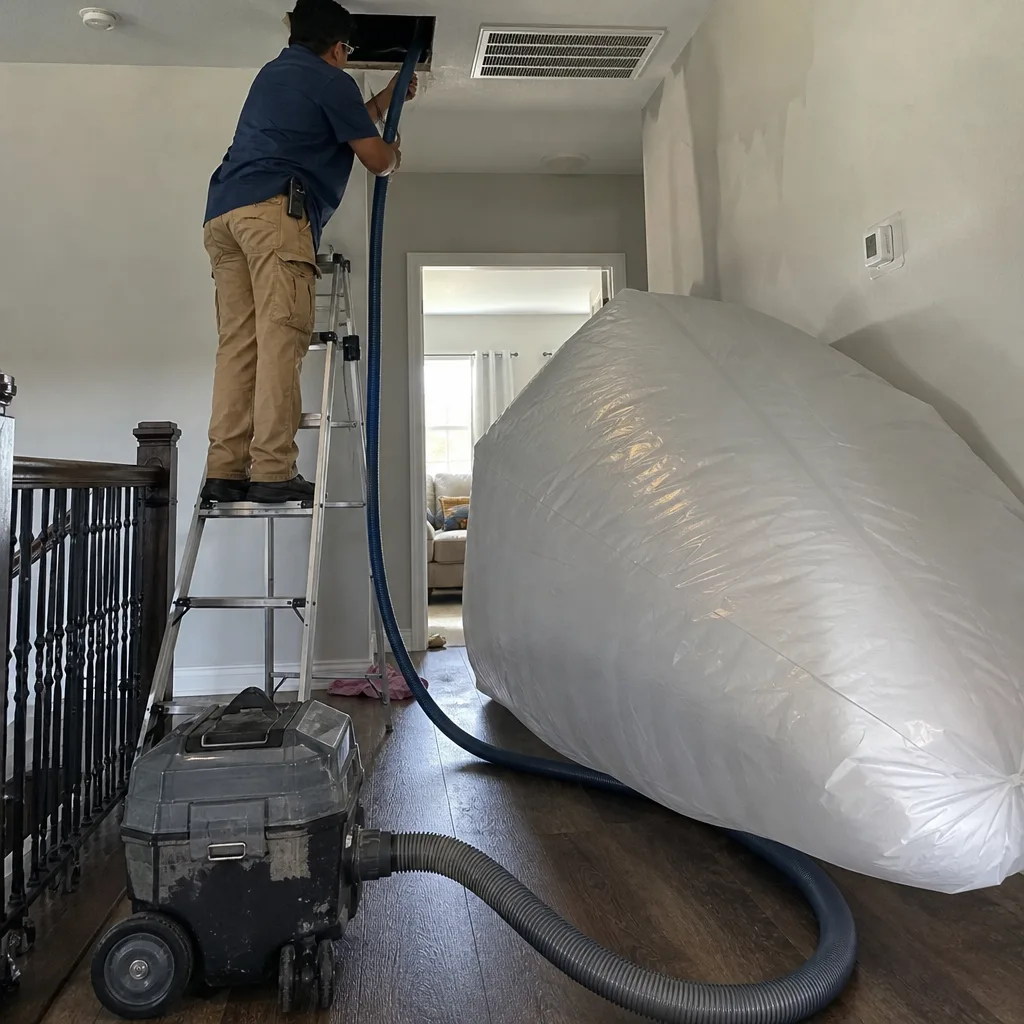
 Whole-home duct cleaning
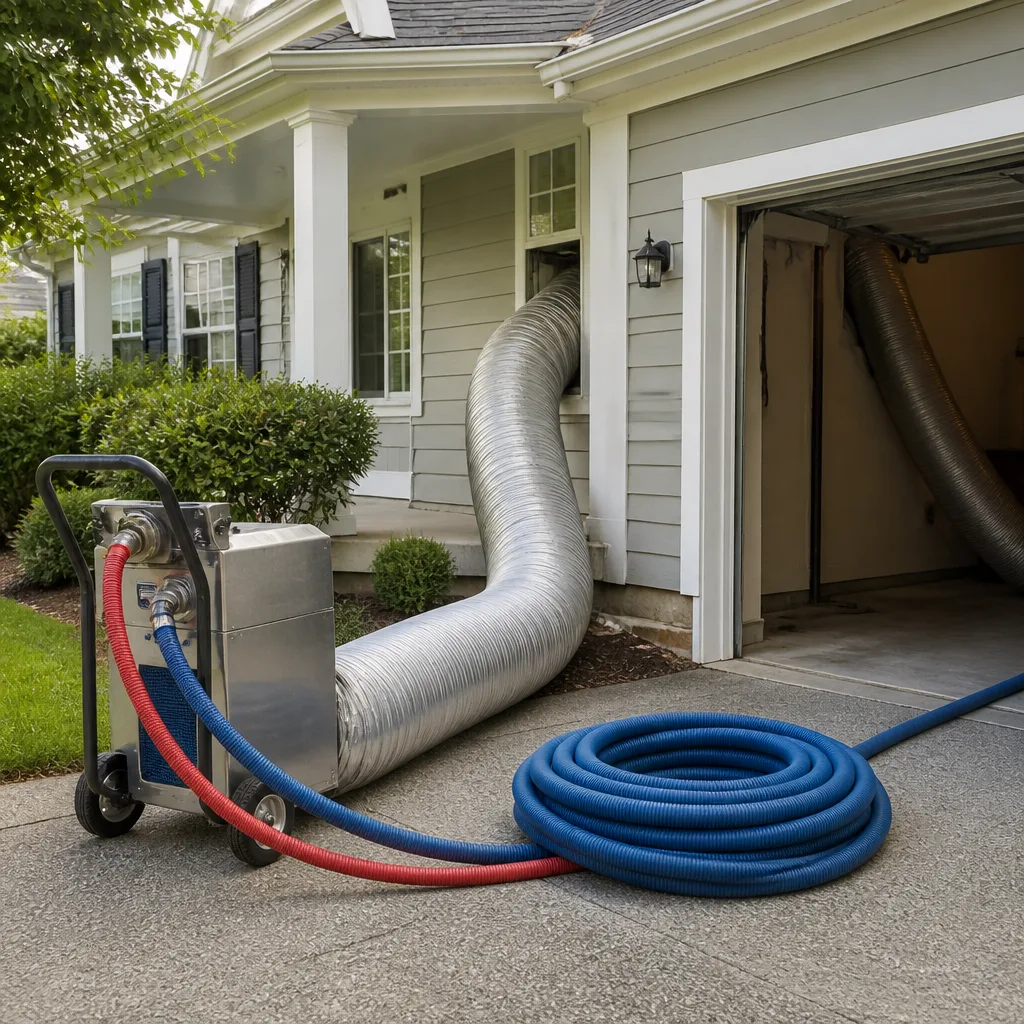
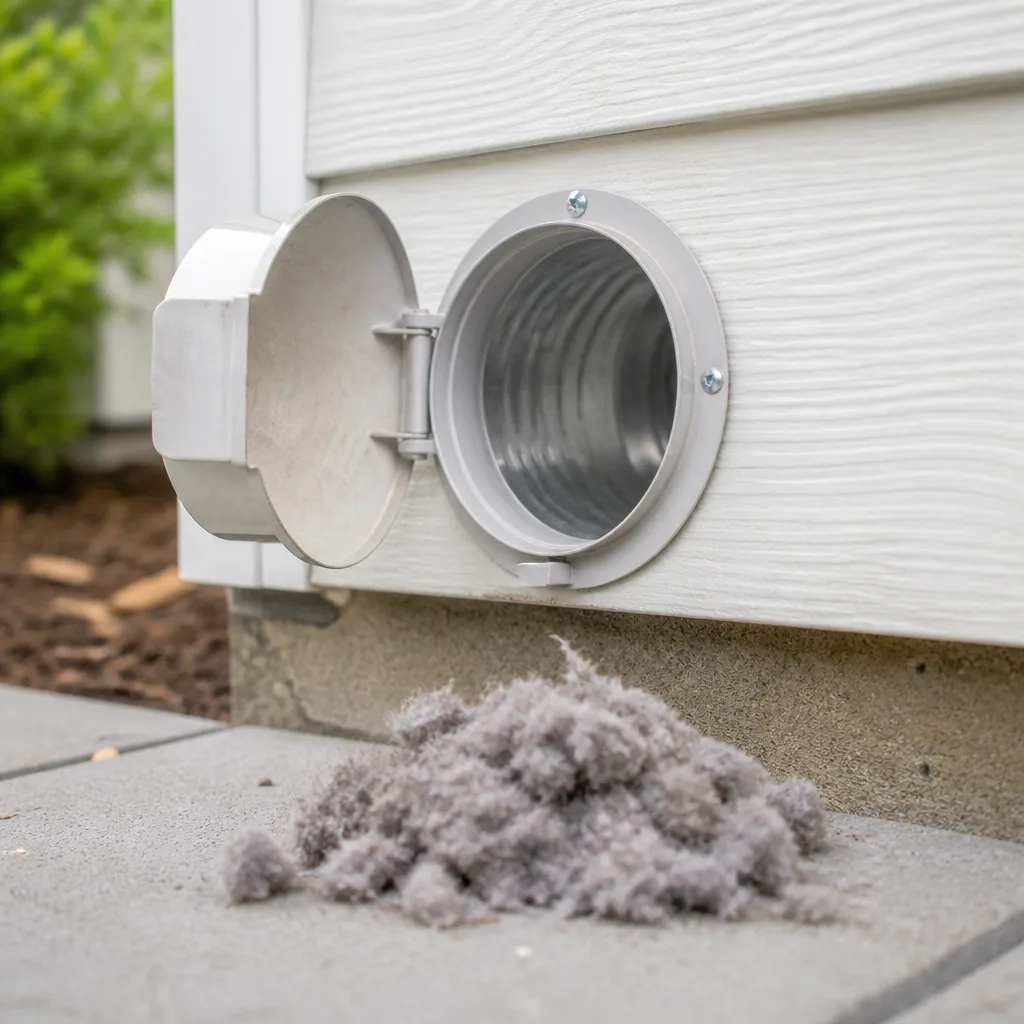 Dryer vent cleaning
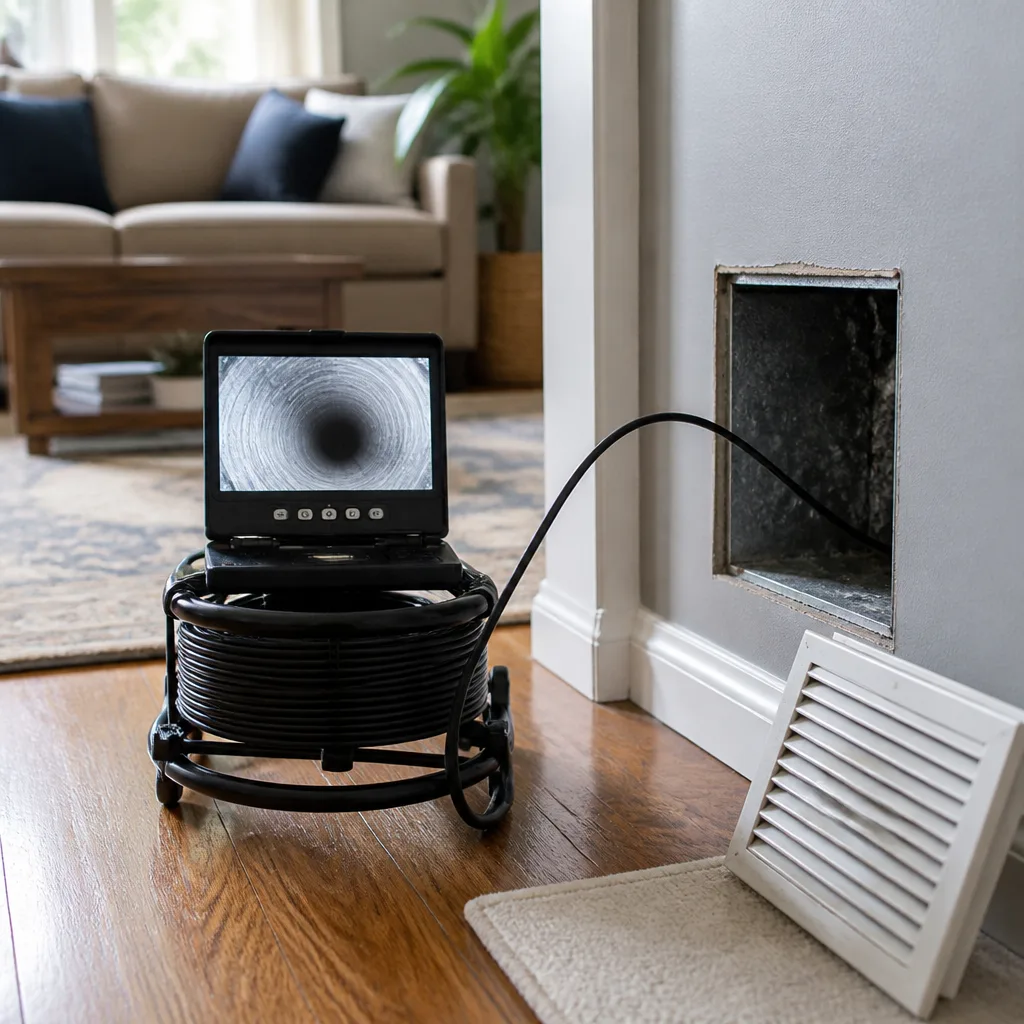 Camera inspection
 Sanitizing & deodorizing
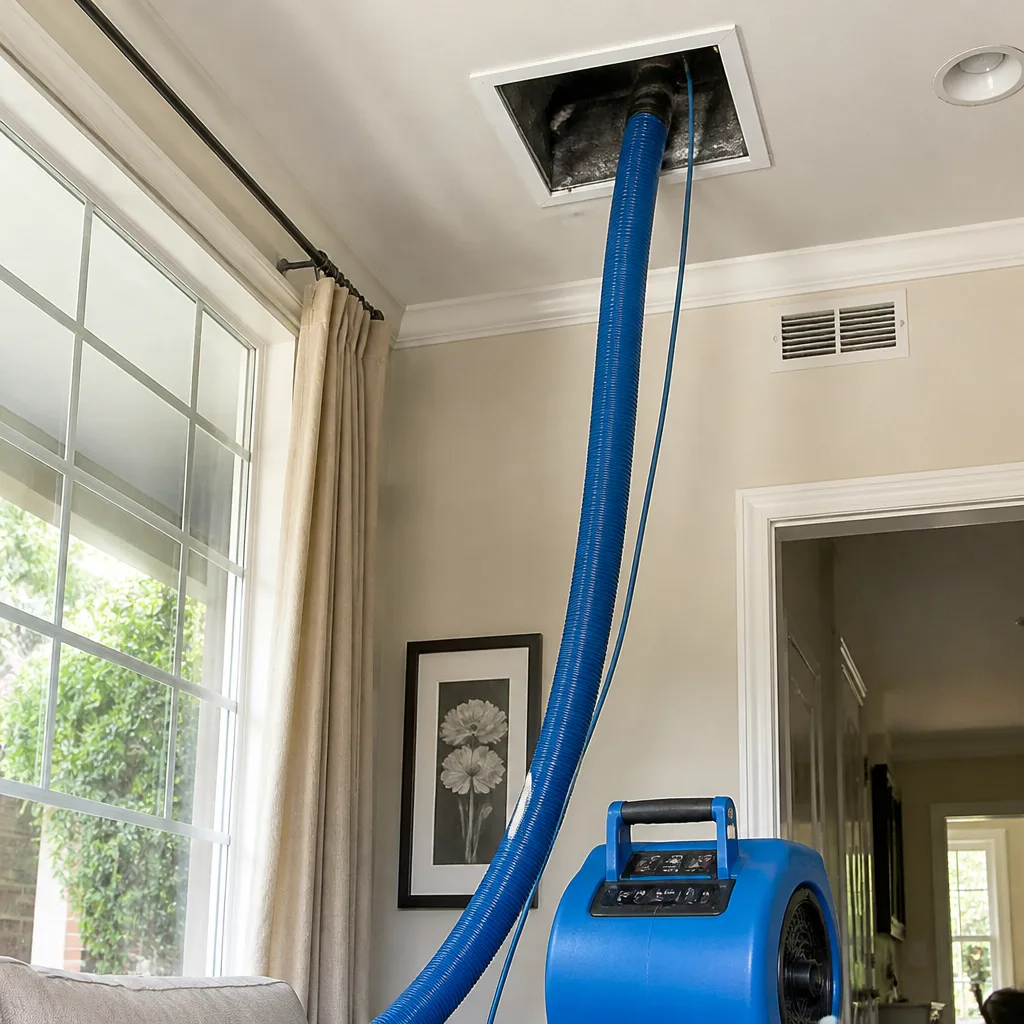
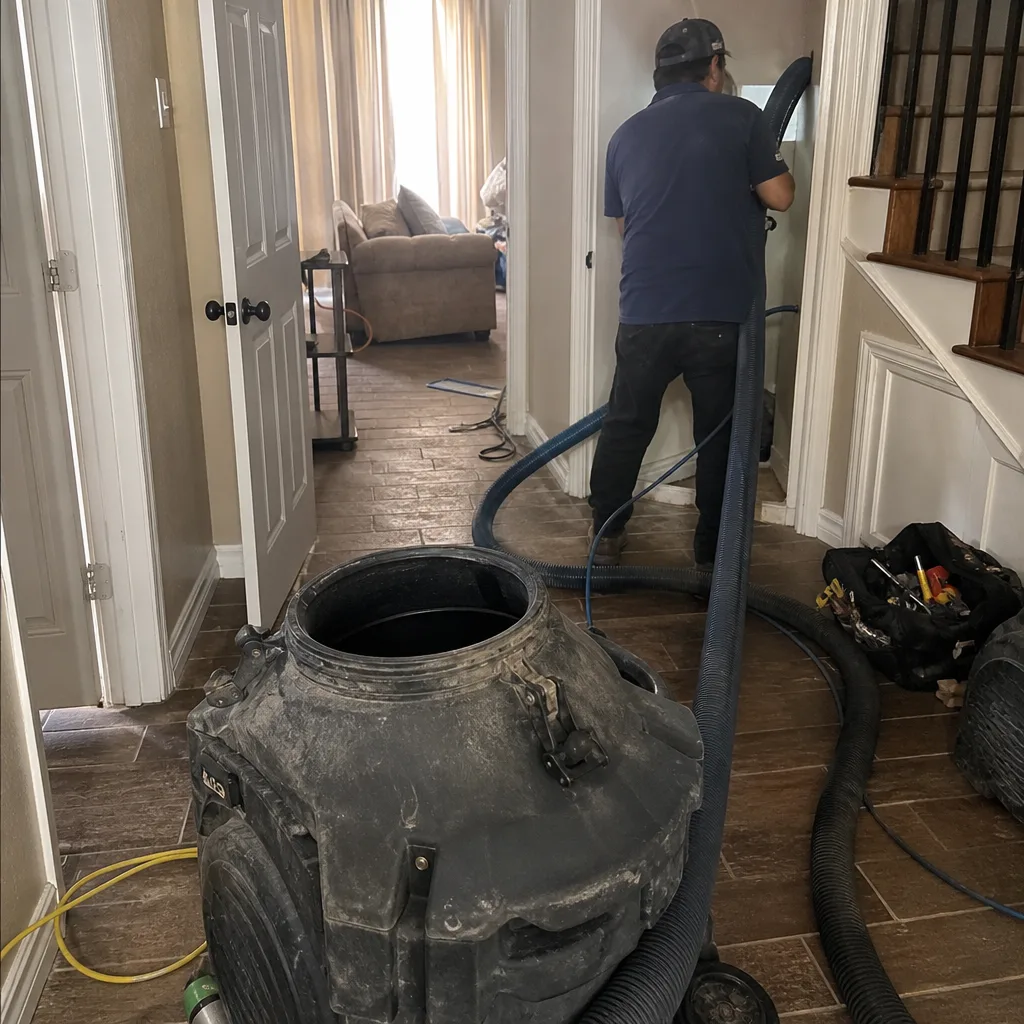
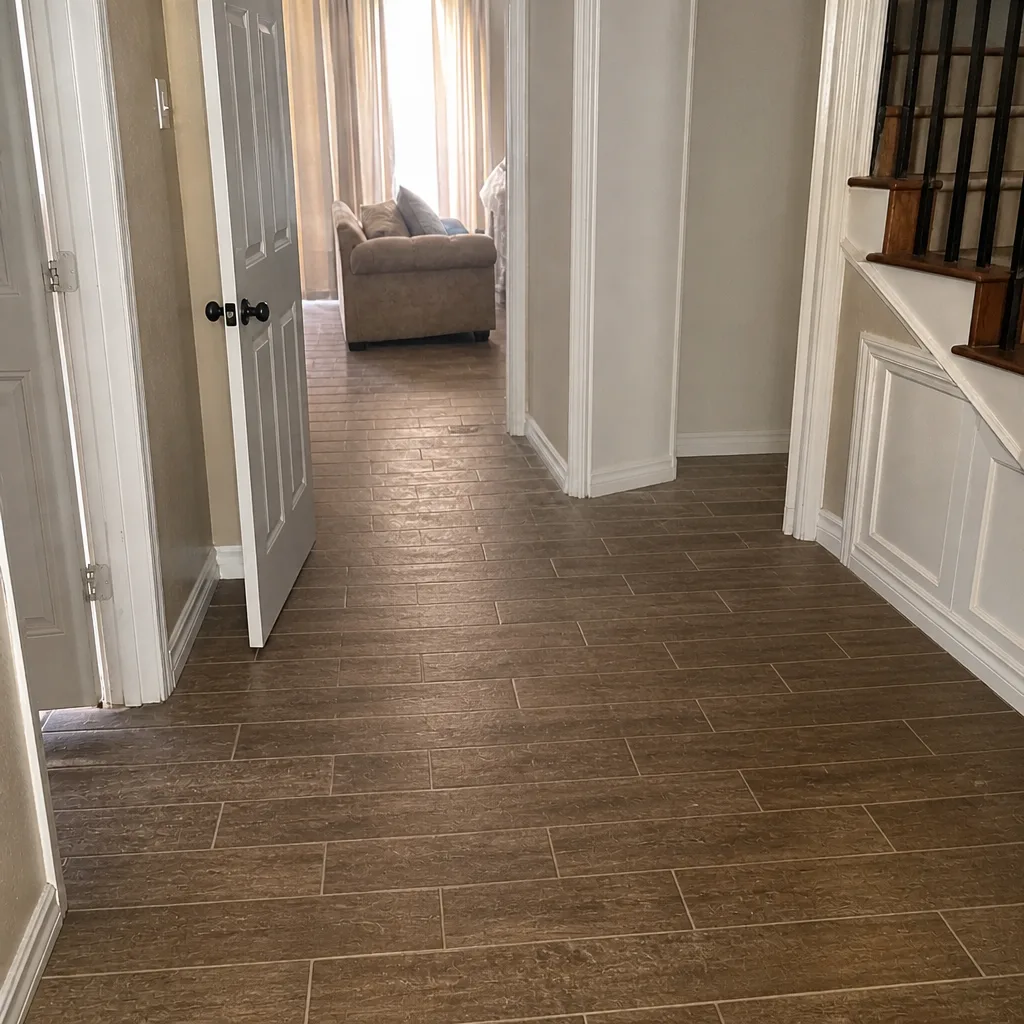
Whole-system duct and dryer vent check with before-and-after photos - you see exactly what came out of your vents
That "$99 whole-house special" is a bait ad - the real number appears once they are in your hallway, or the "clean" is a shop-vac at the register. We photograph the inside of your ducts before and after instead.
Air Duct Cleaning Emergency Preparedness Guide for Garland Homes
Most Garland homeowners prepare for emergencies by stocking batteries and watching the radar. The duct system rarely makes the list. That’s the misconception this guide corrects: after the flood events, hail damage, and construction disruptions that hit the DFW area, the ducts inside your attic and walls are often the first part of the house to take damage and the last part anyone checks. A compromised duct doesn’t announce itself. It quietly pulls attic air, insulation fibers, and moisture into the living space long after the storm has passed. Below we walk through how to protect your duct system before an emergency, how to inspect it after one, when to shut the system down, and how to document the damage for an insurance claim. Everything here is written for Garland specifically.
Quick Answer
Air duct cleaning after a storm, flood, or roof-damage event in Garland means inspecting the entire duct path for breaches and moisture before running the system again, then sealing or repairing any compromised sections and mechanically cleaning the interior. If water stood inside the living envelope or attic for more than about 24 to 48 hours, or if a roof penetration exposed flex duct or an attic air handler, you should treat the ducts as contaminated until a professional inspection proves otherwise. Cleaning alone won’t fix a disconnected duct, and repair alone won’t remove debris that’s already inside; you usually need both, in that order.
Styles & brands we work with
- Whole-home duct cleaning
- Dryer vent cleaning
- Camera inspection
- Sanitizing & deodorizing
Table of Contents
- Why Duct System Integrity Matters More in Garland Than Most Owners Realize
- Post-Flood Protocol: What Standing Water Does to a Duct System
- Post-Hail and Roof Damage: Finding Attic Exposure Points
- Construction and Renovation Debris: Sealing Ducts Before and During Remodels
- HVAC Shutdown Decisions After a Water Event
- Documenting Duct Contamination for an Insurance Claim
- The Inspection Sequence a Professional Should Follow
- Building a Year-Round Duct Preparedness Plan for Your Garland Home
Why Duct System Integrity Matters More in Garland Than Most Owners Realize
Garland sits in one of the most active hail corridors in the country. Roofs here get replaced on regular cycles, and every roof replacement involves nails, shingle granules, and debris landing in the attic. Add in the severe thunderstorms and tornado events the area produces with some regularity, and the duct system in a typical Garland home gets more stress in a decade than a duct system in a calmer climate sees in a lifetime.
That matters because most Garland homes run their air handlers and flex duct in the attic, not in a conditioned basement. Attic duct systems are exposed to whatever comes through the roof deck. A shingle punctured by hail doesn’t have to leak visibly to compromise the run of flex duct sitting two feet below it. Small holes, loose joints, and disconnected sections are common after a roof event, and each one turns the duct into a straw that pulls attic air into the return side of your system.
Attic air carries fiberglass insulation fibers, dust, and whatever moisture is in the space. When that air bypasses the filter and enters the return, it moves into the living space every time the blower runs. Owners in neighborhoods like Garland often don’t connect a musty smell or a spike in allergy symptoms to a roof event that happened months earlier. The connection is almost always there.
We’ve seen this pattern repeatedly after major hail seasons. A homeowner replaces the roof, life goes back to normal, and then the HVAC return starts showing dark staining or a musty odor the following spring. Nothing in the house changed except the roof, and the roof is exactly where the duct damage started. This is why we treat duct integrity as a structural question, not a cosmetic one. We repair what we find, because cleaning a duct that’s pulling attic air is wasted work.
Post-Flood Protocol: What Standing Water Does to a Duct System
Standing water inside the living envelope is the most dangerous duct scenario Garland homes face. The key variable is time. Water standing inside a crawlspace, behind a slab penetration, or in a wall cavity for more than roughly 24 to 48 hours begins to drive moisture vapor into the duct system through the same gaps that let air in. Once that happens, porous duct liner and flex duct interior absorb it and become a growth medium.
Here’s the sequence a professional inspection should follow after a water event:
- Isolate the system. Turn the thermostat to off and pull the breaker to the air handler. Continued operation pulls humid air through the entire duct run and spreads moisture to areas that weren’t wet.
- Document the water line. Photograph the high-water mark on any material it touched, including inside the air handler cabinet. That photo becomes part of your insurance file.
- Inspect every accessible duct section. This includes return trunks, supply runs, the plenum, and the interior of the air handler cabinet. Flex duct that’s been wet on the outside should be opened or replaced because moisture migrates inward.
- Check for settled debris and silt. Flood water leaves fine silt behind that a standard vacuum won’t move. Mechanical brush contact is the only reliable method for removing it from the duct walls.
- Test for elevated humidity inside the duct. A professional will measure relative humidity in the supply and return. If it’s still elevated well above ambient after drying, the duct interior is holding moisture.
- Decide: clean, repair, or replace. Duct that was submerged for an extended period or that shows visible growth usually needs replacement, not cleaning. That’s an honest call, and a reputable contractor will make it.
If you’re in Garland and a flood event affects your home, get the system shut down before anything else. The difference between damage that cleans up and damage that requires full duct replacement usually comes down to how quickly the system stopped moving humid air.
Post-Hail and Roof Damage: Finding Attic Exposure Points
Hail damage to a roof is visible. Hail damage to the duct system underneath is not, which is why it gets missed. Every Garland home with an attic-mounted air handler and flex duct has a handful of exposure points where a roofing event can compromise the duct path. Here’s a checklist to work through after any roof replacement, hail event, or storm that lifted shingles.
- The plenum connection at the air handler. The point where the main supply and return trunks connect to the cabinet is the most common breach. Flex duct that’s pulled or bumped during roofing work can separate at this joint.
- Duct runs directly under the roof deck. If a run of flex duct sits within a few feet of the deck and the roof took impact above it, inspect the duct’s outer jacket for scuffs, punctures, or separations.
- Penetrations where duct passes through framing. Anywhere duct runs through a top plate or ceiling joist bay, the gap is an entry path for debris. It should be sealed, not just covered.
- The return chase. If your return uses a panned chase or a stud bay, any breach in the chase pulls attic air. That’s the highest-impact breach to fix first.
- Attic insulation contact. Duct that rests directly on insulation or is buried in it can wick moisture. After a storm, pull back insulation and inspect the duct jacket. It should be dry.
- The condensate drain line. Wind-driven rain and roof work can displace the condensate drain. Check that it’s still routed correctly; a displaced line puts water directly onto the duct.
These six items take an experienced technician about an hour to check. What they prevent is months of pulling attic air and debris into the living envelope without anyone knowing.
Construction and Renovation Debris: Sealing Ducts Before and During Remodels
Remodels and additions move more debris through a Garland home’s duct system than most storms do. Drywall dust is the worst offender. It’s ultra-fine, it passes through most filters, and it settles in duct liner and on fan blades. If the system is running during a remodel, that dust ends up inside the ducts and stays there.
Protect the system in three phases:
Before demolition starts, seal every supply and return register in the work area with plastic sheeting and tape. Don’t rely on closing the register louvers; that only blocks bulk airflow, not fine dust. Turn the HVAC system off in the work zone by closing dampers or shutting the zone down entirely if you have zoning.
During the work, run negative pressure in the work area with a HEPA air scrubber if the scope allows. This keeps airborne dust from migrating into the rest of the house. Change your HVAC filter on the manufacturer’s recommended interval, and use the highest filtration rating your filter slot accepts. This is also the right moment to consider upgrading to a Honeywell or Aprilaire filter cabinet if you’re planning to run a higher-MERV media filter long term; a standard one-inch slot has limits that a media cabinet doesn’t.
After construction, duct cleaning is not optional. Drywall dust that’s settled into duct walls won’t come out with a shop vacuum or a simple blowout. It requires mechanical agitation to break it loose from the liner, followed by high-capacity extraction. That’s the difference between air duct cleaning done properly and a service that just redistributes the dust.
If a renovation involves moving or rerouting duct work, this is also the moment to address long-standing problems. Duct runs that were undersized or poorly routed get corrected more cheaply during a remodel than as a standalone job.
HVAC Shutdown Decisions After a Water Event
The instinct after a water event is to run the system to dry the house out. That instinct is right in some cases and wrong in others, and the wrong call damages ducts that would otherwise be fine.
Shut the system down if:
- Any standing water is inside the air handler cabinet, plenum, or duct run.
- The attic or crawlspace shows visible moisture and the duct system is routed through it.
- You can smell mustiness or see visible growth anywhere in the system.
- The roof has a breach that could be letting exterior air or water into the attic.
Continued operation may help drying if:
- The water event affected only a non-ducted part of the house (a bathroom, a laundromat area) and the HVAC system itself stayed dry and isolated.
- The duct system is in the conditioned envelope, every joint is intact, and no water reached the air handler or return.
- You’ve verified the return is pulling conditioned air, not attic air, by confirming every return path is intact.
When in doubt, shut it down. Running the blower across a wet return spread moisture through every supply run in the house, and duct liner that’s had humid air pushed across it repeatedly is much harder to salvage than duct liner that just got wet locally. If you’re unsure about the call, that’s a good reason to get a professional inspection before you restart the system. It’s a small job compared to full duct replacement.
Documenting Duct Contamination for an Insurance Claim
Insurance claims involving duct contamination frequently get denied because the documentation doesn’t establish that the ducts were actually contaminated, only that water entered the house. The gap between those two facts is what a remediation contractor’s scope letter needs to close.
A scope letter that supports a claim should include, at minimum:
- A description of the water event and the affected area, with dates.
- High-water mark photos on every affected material, including inside the air handler cabinet.
- Moisture readings inside the duct system and at the air handler, with equipment make and model noted.
- A written statement of the inspection sequence performed, including any breaches found and where they were located.
- Photographs of contaminated sections with scale reference.
- The proposed remediation scope, broken down by line item: cleaning, repair, replacement, and any containment equipment proposed.
- A statement of the containment method proposed during remediation, including the negative pressure system and filtration class.
- An itemized cost breakdown, not a lump-sum estimate.
Two items get skipped most often. The first is the containment statement, which carriers want because it establishes that the remediation itself won’t spread contaminants through the home. The second is the itemized cost; lump-sum estimates get negotiated down almost every time.
If you’ve had a water or hail event in Garland and you’re working through a claim, an estimate that follows this structure is far more likely to be approved. We can put one together for you if you call and describe the event.
The Inspection Sequence a Professional Should Follow
Any duct cleaning or remediation after an event should start with a proper inspection. Here’s the sequence that catches what matters:
- Walk the envelope. Confirm where duct runs, identify the return path type, and map the accessible system.
- Photograph the pre-clean condition. Every register, plenum, and cabinet interior. This is your baseline.
- Test airflow at supply registers. Compare measured flow to expected flow based on register size. Low flow at specific registers points to a breach or disconnection upstream.
- Pressure-test the return side. A return that pulls attic air shows up as a pressure differential when the air handler is running with all supplies sealed.
- Camera-inspect inaccessible sections. Flex duct that runs through a chase or behind a finished wall needs a camera inspection. The camera finds separated joints that a visual inspection from the register can’t reach.
- Moisture reading. Every section the camera passes through gets checked for elevated moisture.
- Repair findings before cleaning. Cleaning a compromised system doesn’t help; the debris returns. Repair comes first.
- Mechanical clean with brush system. Rotobrush brush heads make physical contact with the duct wall across the full run. That’s the step that removes adhered debris instead of just agitating it.
- High-capacity extraction. Nikro professional HVAC extraction pulls the loosened material out of the system at real capacity, not shop-vac capacity.
- Negative pressure containment throughout. Abatement Technologies containment equipment keeps dislodged material from migrating into the living space while the work is happening.
- Post-clean photos for comparison. Every register and cabinet interior rephotographed. If the contractor can’t show you the difference, you don’t know the work was done.
This is the sequence we follow on every duct cleaning job in Garland, event-driven or not. The equipment is the difference. A contractor who shows up with a shop vacuum and air-blowout tools is skipping steps 3-11 entirely.
Building a Year-Round Duct Preparedness Plan for Your Garland Home
The best time to prepare is before the next storm season, not after. A few standing habits make an enormous difference in how the system handles whatever Garland weather throws at it.
- Label the HVAC breaker. When water comes in, you need to shut the system down fast. Label that breaker clearly and know where it is.
- Document the system now, before a storm. Photograph your plenum, air handler, and duct runs in the attic in their current state. That “before” set is invaluable when you’re filing a claim later.
- Inspect the attic every spring. Walk it after every hail event and each spring after the storm season ends. Look for displaced duct, water staining, and joints that have separated.
- Keep the return path sealed. Any panned return should be sealed and inspected annually. A loose chase is the highest-impact single point of failure in most Garland homes.
- Run a quality filter. A media filter cabinet from a brand like Honeywell or Aprilaire catches far more of what comes through the system than a one-inch slot filter can. That extra filtration is what protects your duct interior when something does get past the return.
- Clean the dryer vent as part of storm season prep. dryer vent cleaning is a life-safety service, not an upsell. Lint buildup inside the vent line is a leading cause of residential structure fires, and a storm event that shakes the house loose can loosen lint from the vent walls.
If you’re a property manager overseeing multiple Garland properties, the same plan applies to each unit, and pre-storm documentation is even more important for claims across a portfolio.
Common Mistakes to Avoid
- Running the HVAC during a water event. This single mistake spreads moisture through the entire duct run and often converts a cleaning job into a replacement job. Shut it down first, inspect second.
- Cleaning before repairing. Every breach left in place after cleaning pulls new debris back in. In our experience, roughly a third of the post-storm calls we take turn out to need duct repair, not just cleaning.
- Trusting an air-blowout to clean a duct. Compressed air agitates debris without removing it. It can even distribute contamination further into the system. Mechanical brush contact with real extraction is the only method that removes what’s adhered.
- Skipping containment during the work. Cleaning without negative pressure containment looses debris into the living space. That’s worse than not cleaning, because now the homeowner is breathing what was inside the duct.
- Accepting a lump-sum scope letter for an insurance claim. Carriers negotiate lump-sum estimates down. An itemized scope letter gets approved more often and at a higher rate.
- Ignoring the dryer vent after a storm. Garland homes with exterior dryer vents get lint buildup that can shift during a hail event or roof replacement. It’s a fire-safety check, and it’s cheap.
- Waiting for a smell to confirm a problem. Mustiness lags the actual contamination by months. By the time you smell it, the duct has been pulling attic air into the living envelope for a season or more.
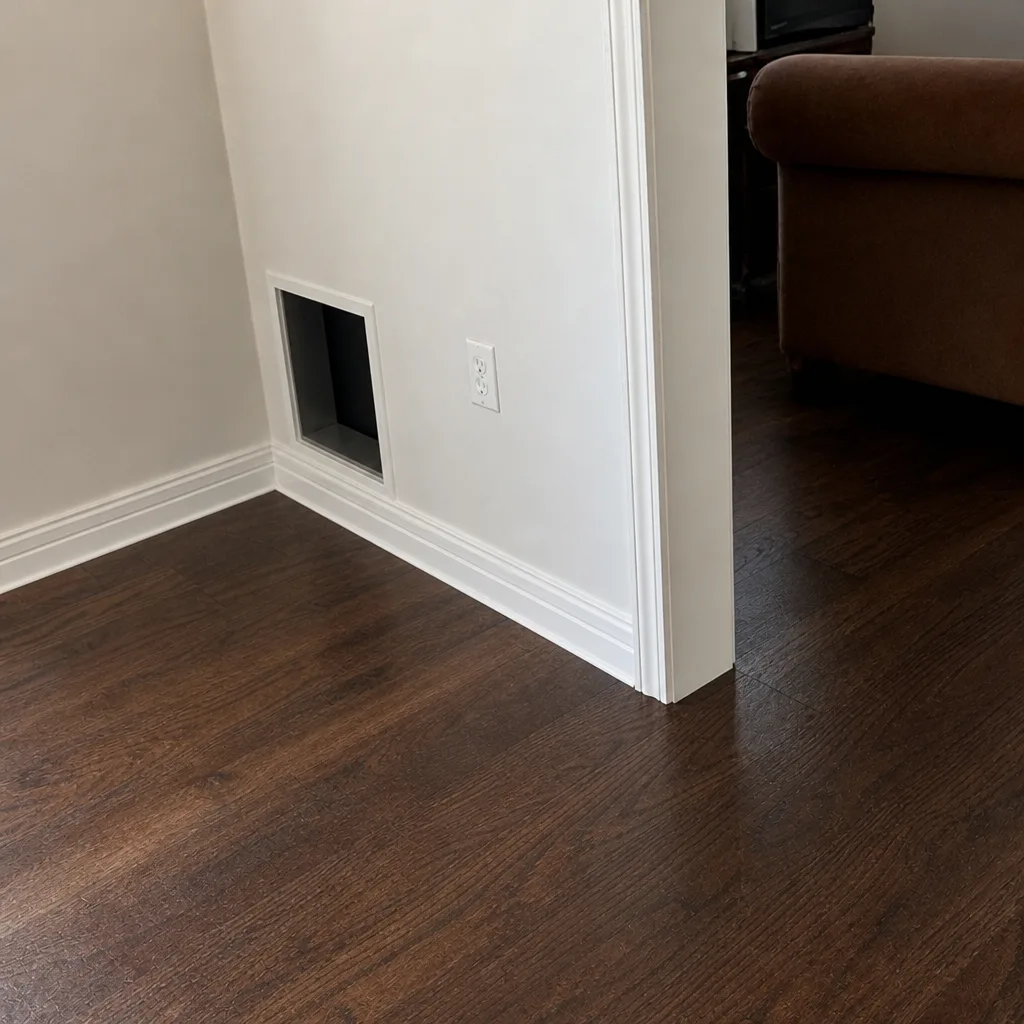
See the difference
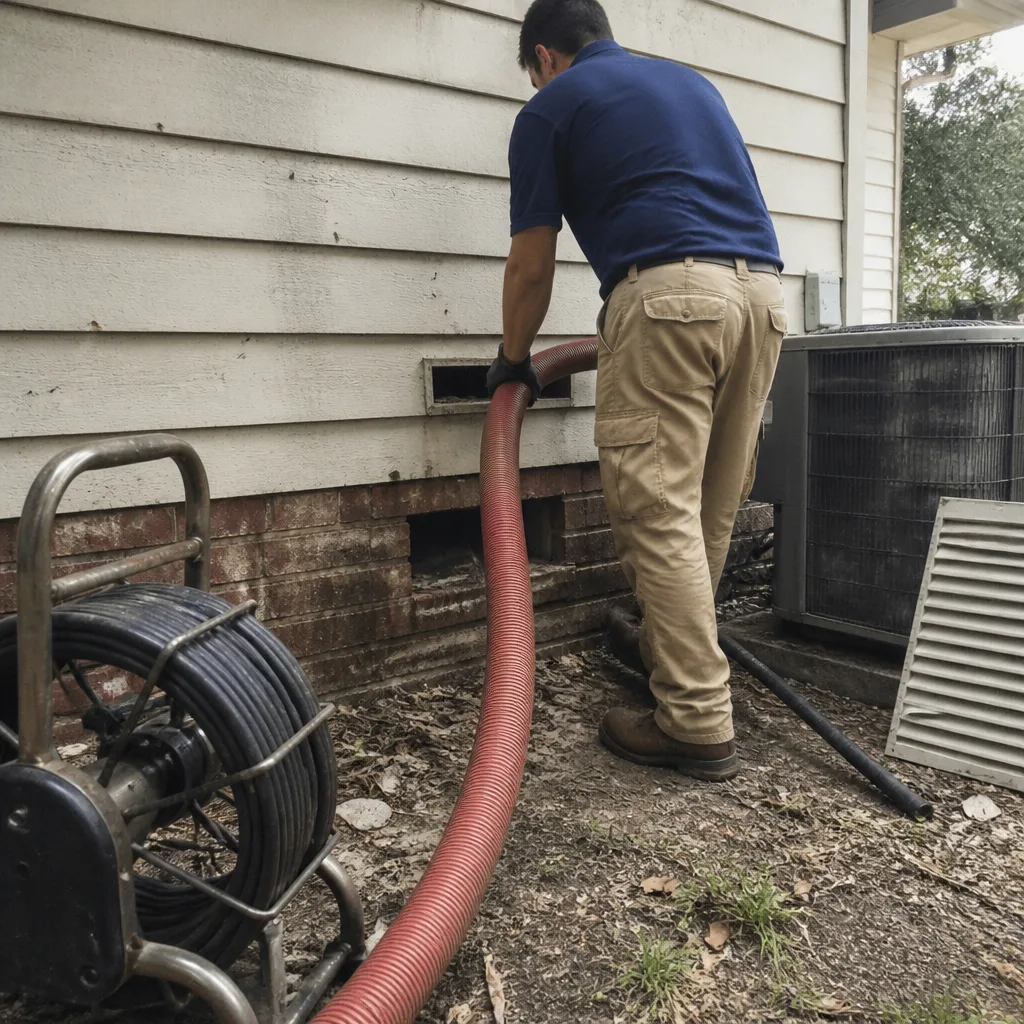 Before
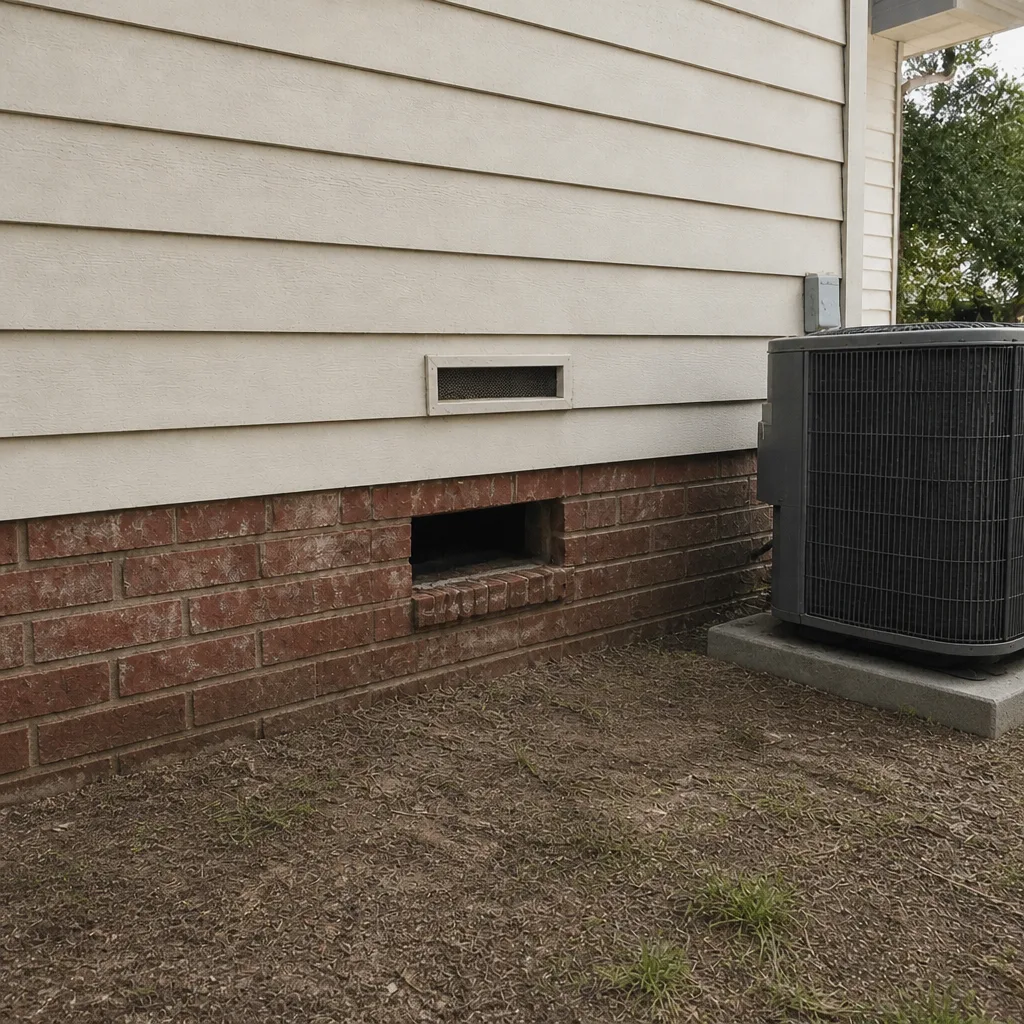 After
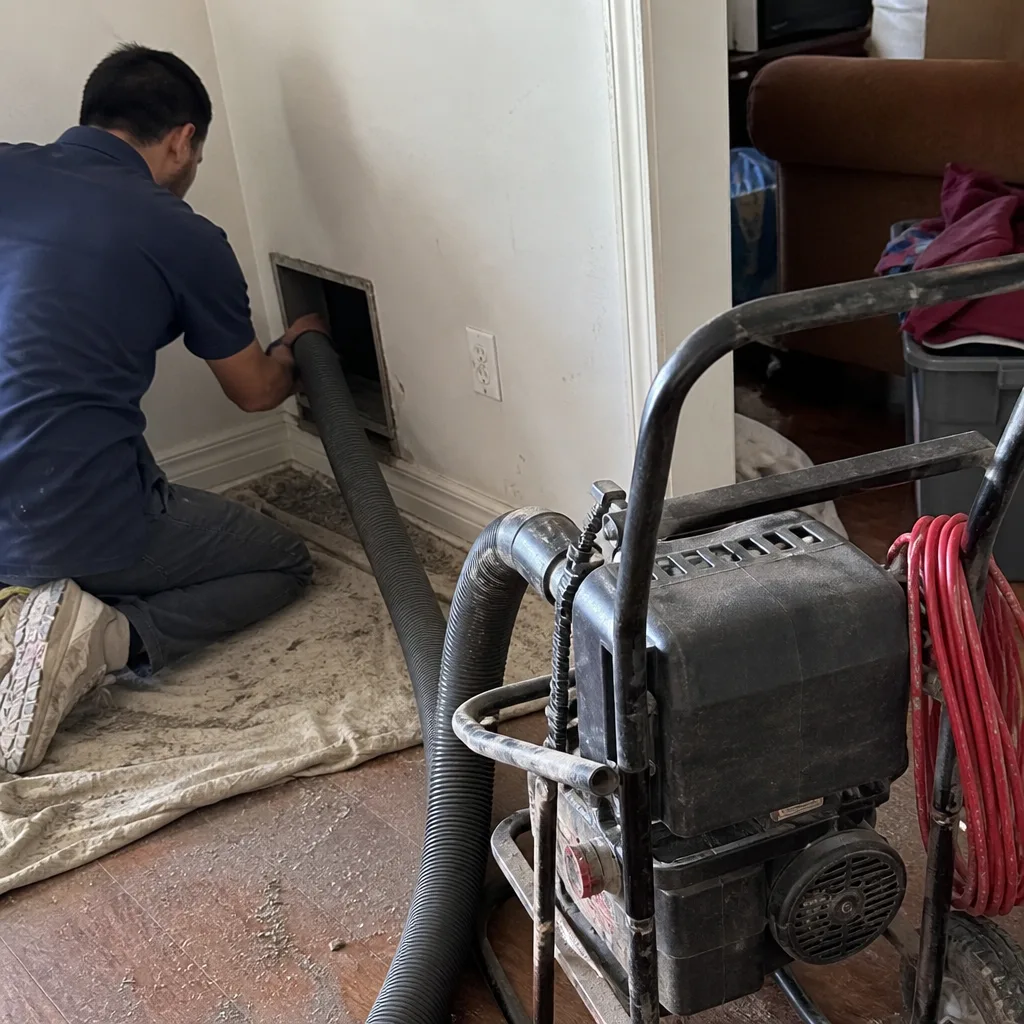 Before
 After
 Before
 After
When to Call a Professional
Call a professional after any storm that involved roof damage, water intrusion, or a tornadic event nearby, even if the house looks fine. Call after any flood event where standing water was inside the envelope for more than a day. Call if you notice a musty odor, allergy symptoms that cluster indoors, unexplained spots on the HVAC return grille, or supply registers that suddenly blow weak. Call before a remodel that will generate significant dust, and after it. Call if the dryer takes more than one cycle to dry a normal load. Also call if a home inspector flags the ducts or the return chase on a report.
Duct Cleaning Garland offers free estimates in Garland. Call (888) 430-9938. We answer 24/7. Fast dispatch from 7am to 7pm, Sunday through Friday.
Frequently Asked Questions
About 24 to 48 hours is the practical threshold. After that, moisture vapor has usually reached the duct system through the same imperfections that let air through, and porous duct materials begin to absorb it. If water stood longer than a couple of days, treat the ducts as contaminated until a professional inspection proves otherwise. Call (888) 430-9938 for an inspection and a free estimate.
Yes, it can. Hail doesn’t have to puncture the roof to compromise the duct system. Roof work, storm-driven debris, and impact vibration can separate flex duct joints at the plenum or pull duct from the air handler connection without any water entering the house. The result is a silent breach that pulls attic air into the return. Call (888) 430-9938 if you’ve had a roof replacement or hail event and want it checked.
Pricing in Garland depends on the size of the system, the number of duct runs, and whether repair or containment is needed. Whole-system cleaning and event-driven remediation are different scopes and different prices, so honest pricing is a written estimate per job rather than a coupon number. We set one flat price per system before work starts, with no per-vent pricing. Call (888) 430-9938 for a free estimate.
Cheap quotes usually reflect a shop vacuum and a blowout instead of professional equipment, no containment, and no repair work even when breaches are found. That job makes the ducts look better in a photo while leaving adhered debris and any disconnected joints exactly where they were. We use Rotobrush brush systems, Nikro extraction equipment, and Abatement Technologies containment on every job, and we repair what we find. The written estimate is the real price. Call (888) 430-9938 to see what your system actually needs.
You should have before-and-after photos of every register, the plenum, and the air handler cabinet interior from your own home. If the contractor won’t provide those, you have no way to verify the work happened. We photograph every stage of the job. Call (888) 430-9938 and ask for the photo documentation on your estimate.
For most Garland homes, every 3 to 5 years is a reasonable interval under normal conditions. That interval tightens to after every major storm, roof replacement, or significant remodel. Homes with pets, allergy-sensitive occupants, or recent water intrusion benefit from a professional inspection each year regardless of the cleaning cycle. Call (888) 430-9938 to schedule an inspection.
The Bottom Line
Duct system integrity is a structural question in Garland, not a cosmetic one. Storm events, roof work, water intrusion, and remodels all compromise the duct path, and the resulting attic air infiltration shows up months later as mustiness, allergy symptoms, and higher energy bills. The response is consistent: shut the system down during a water event, inspect before restarting, repair breaches before cleaning, clean with mechanical brush systems and real extraction under negative pressure containment, and document everything with before-and-after photos. If you’re near Garland and want the system checked after a storm, or want to build a preparedness plan before the next one, we can help.
Call (888) 430-9938 for a free estimate. We answer 24/7. Fast dispatch from 7am to 7pm, Sunday through Friday.
Written by the team at Duct Cleaning Garland.