
Last updated November 15, 2026
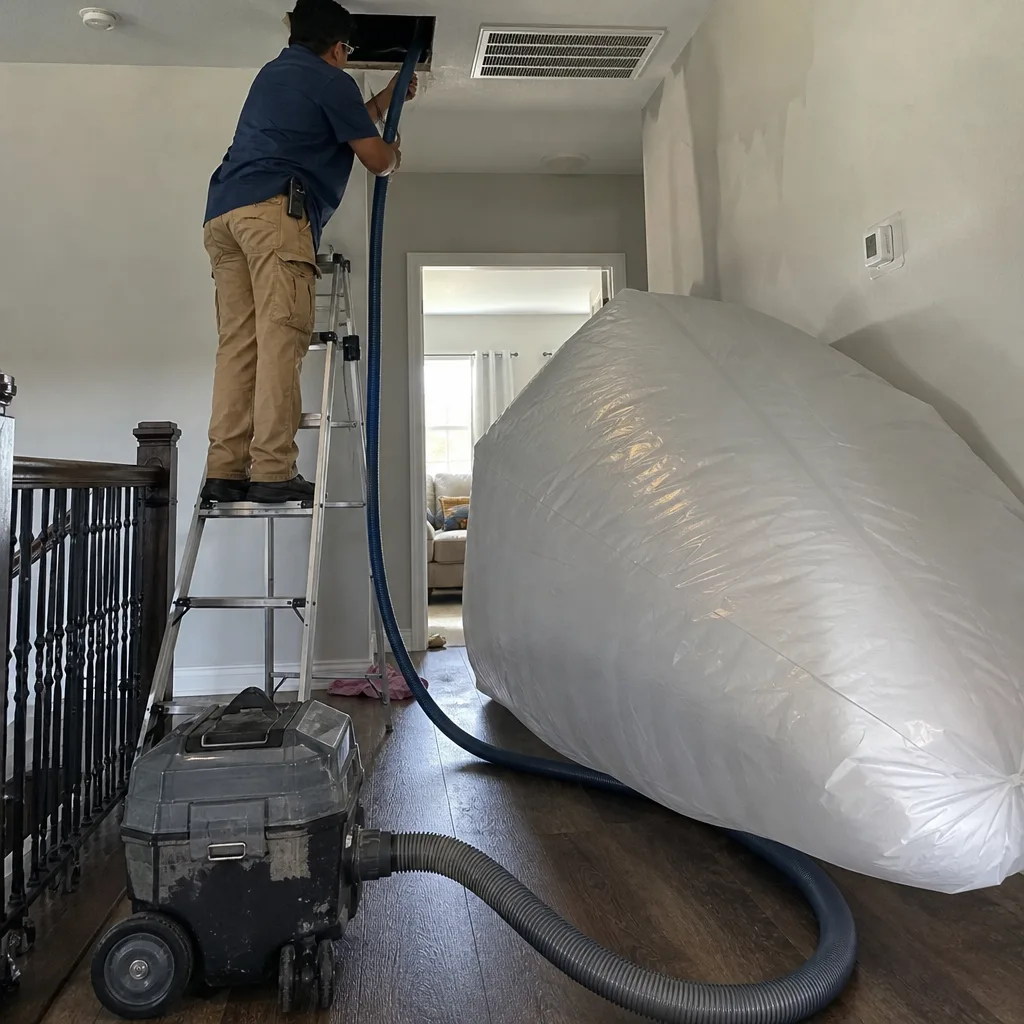
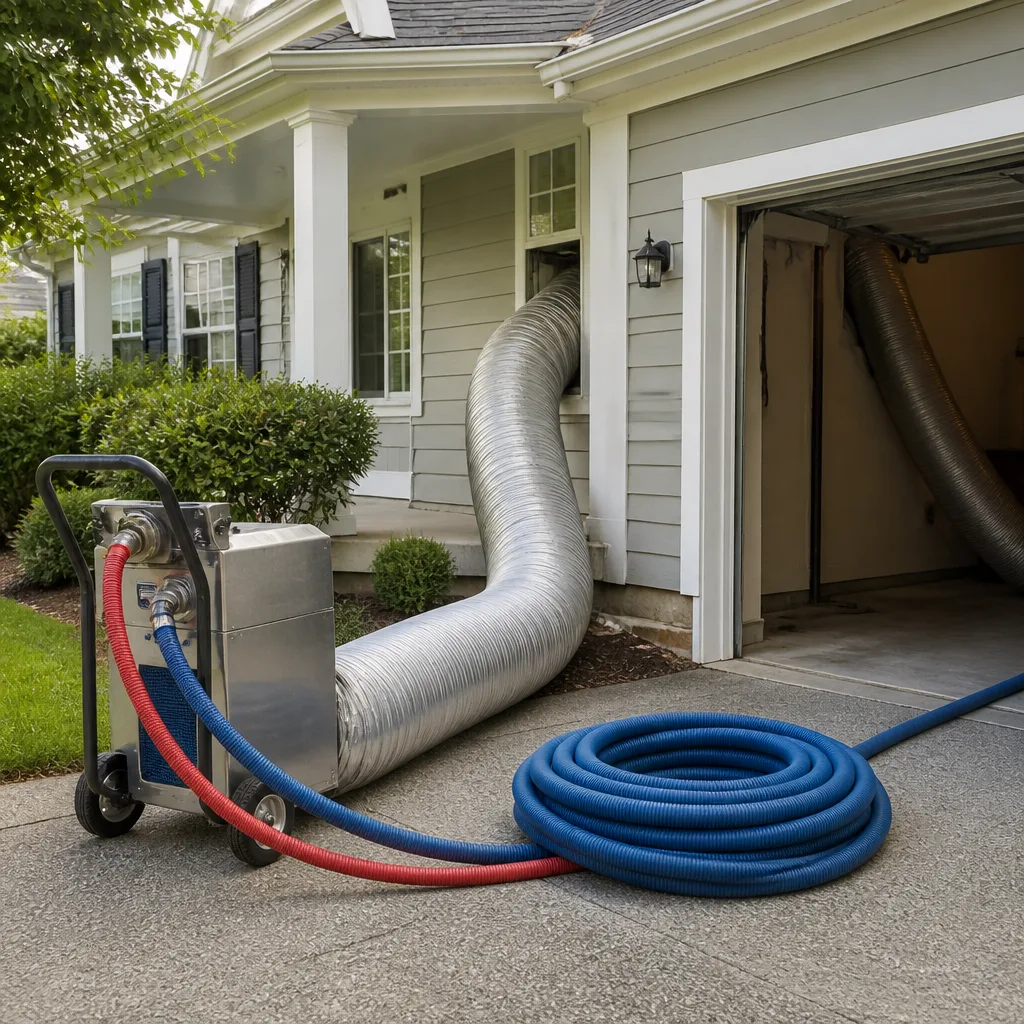 Whole-home duct cleaning
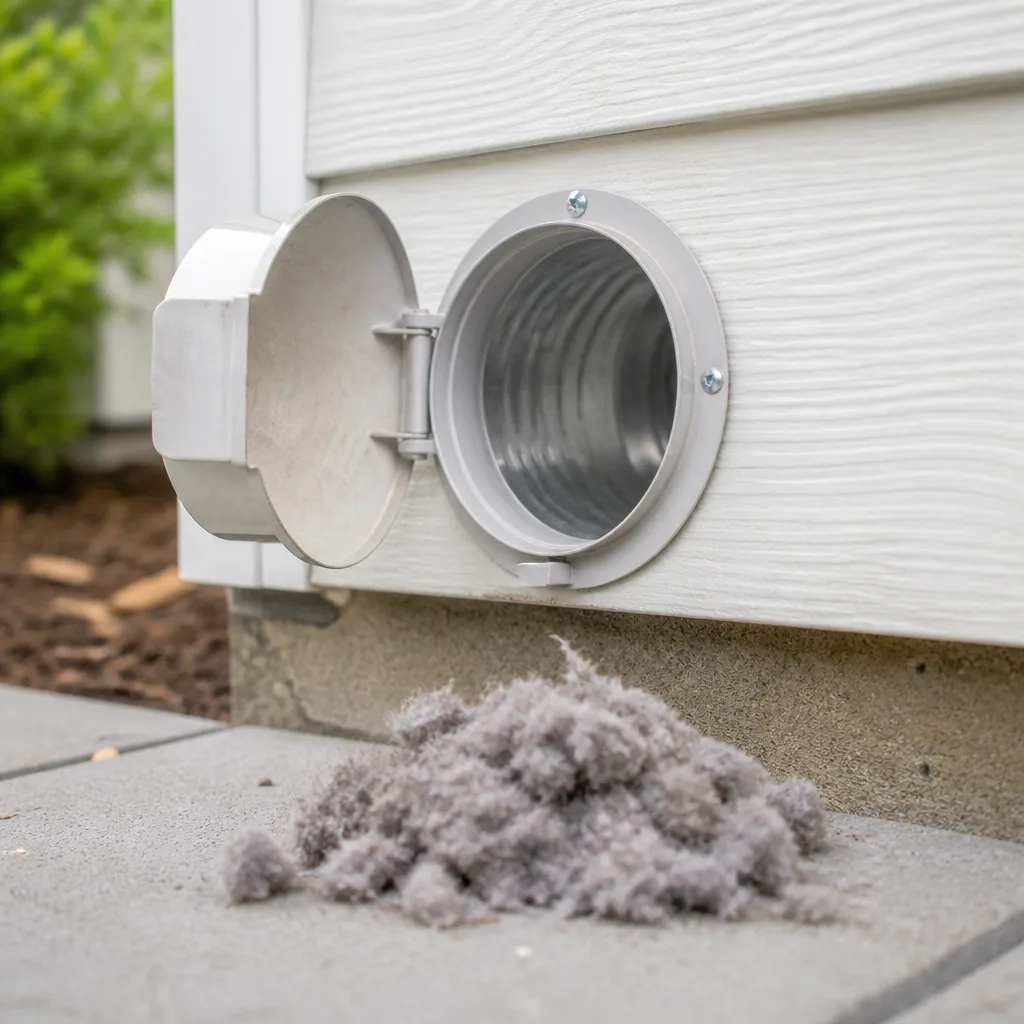 Dryer vent cleaning
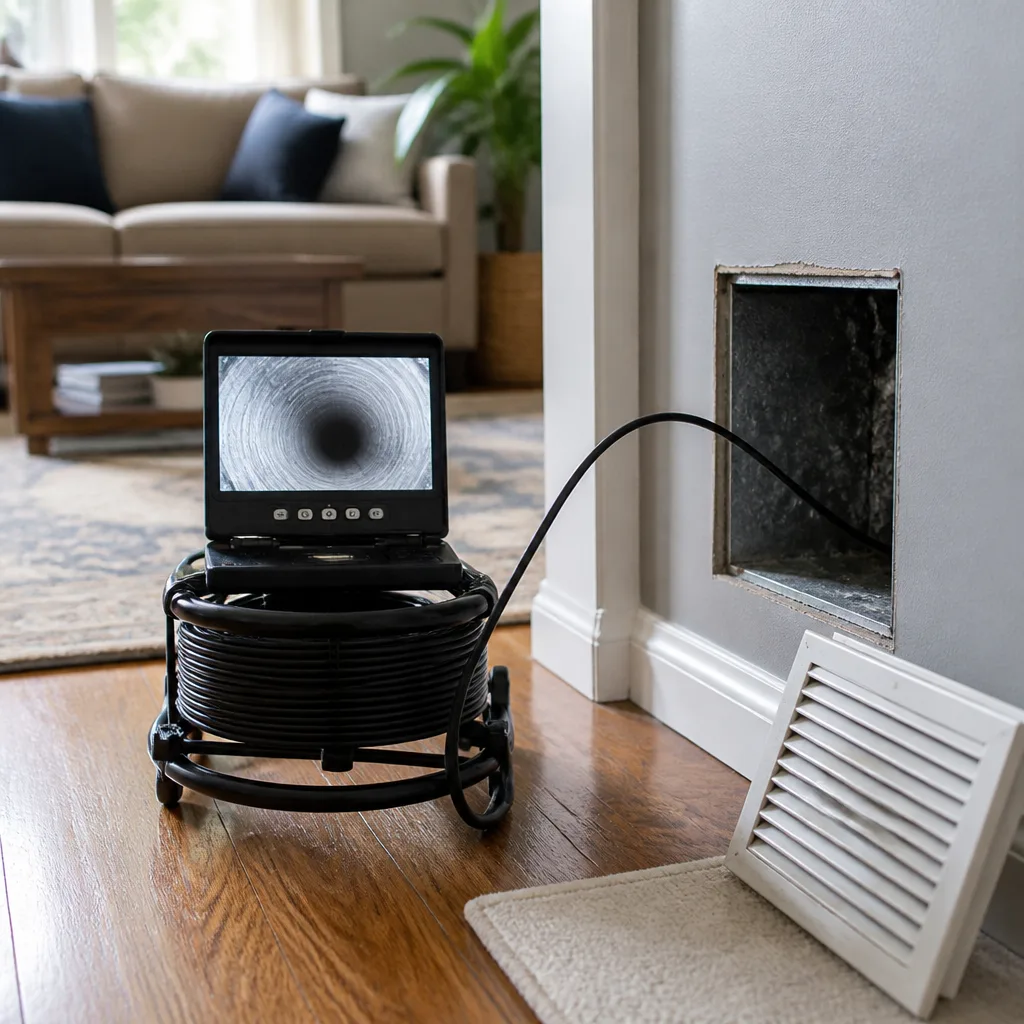 Camera inspection
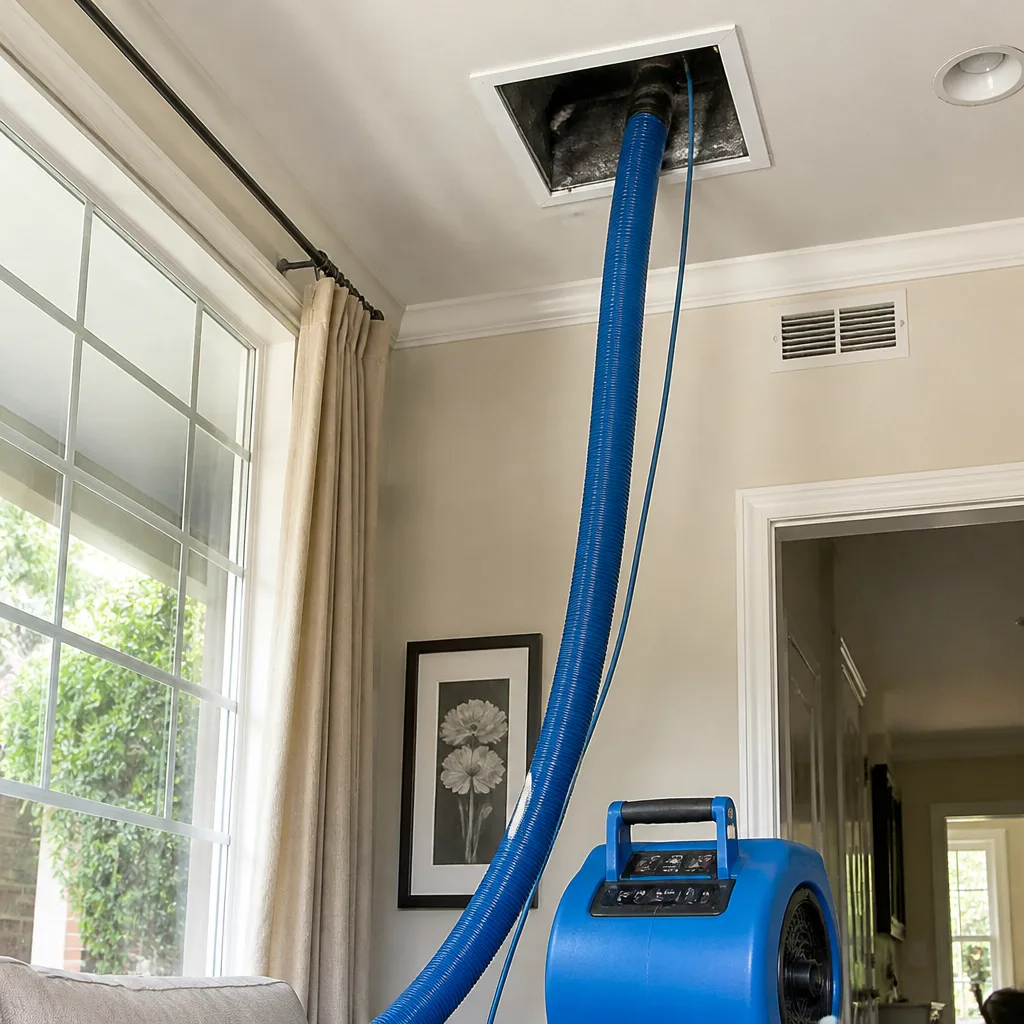 Sanitizing & deodorizing
Whole-system duct and dryer vent check with before-and-after photos - you see exactly what came out of your vents
That "$99 whole-house special" is a bait ad - the real number appears once they are in your hallway, or the "clean" is a shop-vac at the register. We photograph the inside of your ducts before and after instead.
DIY vs Professional Air Duct Cleaning: The Garland Homeowner’s Decision Guide
Here’s the part most duct cleaning ads won’t tell you: the first 18 inches of a duct boot is genuinely within reach of a homeowner with a shop-vac and a dryer vent brush. Everything past that point isn’t. Not because the job is dangerous, and not because some secret handshake exists, but because the equipment a hardware store will rent simply doesn’t generate the negative pressure needed to move debris through a trunk line. This guide draws that line precisely. By the end, you’ll know which tasks DIY actually handles in Garland, which ones it doesn’t, and how to decide based on scope rather than on a contractor’s pitch.
Quick Answer
DIY air duct cleaning in Garland works for surface debris at registers, accessible flex-duct runs, and light seasonal upkeep. It cannot clean trunk lines, plenums, or duct board interiors, and it can damage duct board if you try. Professional cleaning is the right call for suspected mold, rodent activity, post-renovation fine dust, or any system with more than a few years of accumulated buildup.
Styles & brands we work with
- Whole-home duct cleaning
- Dryer vent cleaning
- Camera inspection
- Sanitizing & deodorizing
Table of Contents
- What DIY Duct Cleaning Can Actually Accomplish
- How the Equipment Compares, Task by Task
- When DIY Is a Legitimate Interim Measure in Garland
- When DIY Is the Wrong Choice
- The Real Cost-Benefit of Doing It Yourself
- How a Professional Job Actually Steps Out
- What Makes Garland Ductwork Different
- Common Mistakes to Avoid
What DIY Duct Cleaning Can Actually Accomplish
Start with the hardware ceiling. A consumer shop-vac pulls somewhere in the low hundreds of cubic feet per minute at the hose, and much less when restricted by a long, narrow wand. A professional Nikro extraction system is engineered to sustain airflow through an entire duct run under negative pressure. That difference in airflow is the whole story. Without sustained suction at the trunk, you’re moving dust around inside the duct rather than removing it.
Here’s what a committed homeowner with rented equipment can realistically do:
- Register grilles and diffusers: Removable grilles can be scrubbed and rinsed. This makes a visible difference in rooms where dust streaks are obvious on the face of the vent.
- The first section of the boot: The elbow where the duct turns up into the room is usually reachable with a flexible brush. Surface debris here is common and lifts easily.
- Accessible flex-duct runs: Where flex duct is exposed in an attic or crawl space and can be reached on both ends, light wiping on the inside of the first few feet is possible.
- Cold-air return grilles: These clog faster than supply grilles and are usually easy to remove and clean.
What DIY cannot reach:
- Trunk lines and plenums – the large ductwork that feeds every branch run. No shop-vac generates enough flow through 20-plus feet of trunk to lift settled debris.
- Duct board interiors – rigid fiberglass duct board has a textured surface that traps debris. Improper contact cleaning shreds it. We’ve examined more than one system where a homeowner’s aggressive brushing left fiberglass fibers loose inside the airstream.
- Deep coil and blower areas – not ductwork strictly speaking, but part of the system’s airstream. DIY access to the air handler is limited and often unsafe.
- Containment – no DIY setup maintains negative pressure in the living space. Everything you loosen ends up redistributed into the home.
For a Garland homeowner, that last point matters most. A house built in the 1970s or 1980s near downtown Garland or the older neighborhoods off Forest Lane will have ductwork that has seen decades of use. Loosening that debris without containment just pushes it back into the living room air.
How the Equipment Compares, Task by Task
The fair way to settle DIY versus professional is by task, not by broad claim. Here’s how the equipment lines up:
- Register and grille cleaning: Consumer equipment works. A vacuum brush attachment, warm water, and a soft scrub brush clean a grille effectively. Professional equipment does the same job faster but with no meaningful quality difference.
- Boot vacuuming: Consumer HEPA vacuums manage debris in the first foot or so. Professional Nikro extraction systems pull through the full boot length from a single connection point, with the airflow to actually clear it.
- Branch run cleaning: This is where the gap opens. Rotobrush brush-system technology uses a rotating brush head fed through the duct with a cable, so the brush makes mechanical contact with the duct wall along the entire run. Consumer setups don’t have this. A shop-vac with a duct brush can reach 8 to 10 feet at most, and only on short runs.
- Trunk line and plenum cleaning: Professional systems plus Abatement Technologies containment equipment are required. No consumer option works here, and attempting it with a shop-vac just agitates debris into the return airstream.
- Containment during the job: Consumer option doesn’t exist. Abatement Technologies equipment maintains negative pressure, so dislodged material is captured rather than recirculated into living spaces.
- Inspection and repair: Professional technicians can locate disconnected, crushed, or breached duct sections while they’re inside the system. Rotobrush runs give you a clear view of what’s happening along a duct. A homeowner working from below has no way to see this.
Notice that the “consumer vs. professional” line isn’t binary. It’s more like a staircase. Each step up in duct depth requires a step up in equipment and containment. By the time you’re at the trunk, the consumer side of the staircase ends.
When DIY Is a Legitimate Interim Measure in Garland
DIY has real value as an interim measure between professional cleanings, or as a first response after a specific event. Here’s when it makes sense:
- After light renovation work. Drywall dust, sawdust, and construction debris settle on registers and in boots. Clearing those surfaces within a day or two of renovation cuts the amount that reaches deeper into the system. Vacuum grilles and the first foot of the boot, then let the professional cleaning handle the rest.
- Between professional cycles. If your system was professionally cleaned recently and you’re doing seasonal maintenance, wiping registers and vacuuming returns keeps the surface clean. This is genuinely useful. It’s not a substitute for next year’s full clean.
- After a filter change. When you swap out a filter, cleaning the return grille at the same time catches buildup before it pushes further in. Takes ten minutes.
- When you’re not sure you need professional cleaning. Pulling a grille and looking inside is free. If the first section of the boot and the visible duct look clean, you may genuinely not need service. If they’re coated with dust, the trunk almost certainly is too, and that’s your signal.
Garland homes sitting on clay soil in neighborhoods like Oakridge or Firewheel tend to see duct movement from foundation shift over the years, which opens small gaps where dust enters. If you’re uncertain, pulling a couple of grilles in different rooms and comparing what you see is a useful diagnostic. Consistent dust at every register points to system-wide buildup rather than isolated surface dirt.
DIY at this level is not a temporary fix that fails. It’s real work that captures real debris. The mistake is treating it as though it substitutes for the deeper clean.
When DIY Is the Wrong Choice
Some circumstances make DIY the wrong tool. If any of the following apply, professional service is the right call:
- Suspected mold in the ductwork. Musty odors or visible dark staining near a register are warning signs. Mold requires proper containment and treatment, not agitation. Disturbing mold spores with a consumer vacuum can spread them through the whole house.
- Signs of rodent activity. Droppings, nesting material, or chewed duct insulation near the air handler or in the attic are red flags. Rodent waste carries health risks and shouldn’t be handled without proper equipment and, in some cases, disinfection. A professional inspection is the right first step.
- After flooding or water damage. Wet ductwork and wet insulation need to be evaluated for replacement, not just cleaned. If a Garland home has had water intrusion from a plumbing leak or storm, duct board and flex duct often can’t be salvaged.
- Homes with duct board liner. Duct board interiors degrade when scrubbed. What looks like thorough DIY cleaning is often actual material removal. Professional cleaning uses equipment designed to avoid damaging the liner and inspection to confirm it stays intact.
- Systems that have never been cleaned. If you’ve lived in the home for more than five years and never had the system serviced, the amount of accumulated debris isn’t a DIY problem anymore. The first clean is the heaviest one.
- Recent home inspection flagged duct issues. If a home inspection report lists duct problems, DIY cleaning doesn’t resolve them on paper. A professional inspection and written scope is what the next set of buyers or the lender will want to see.
- Dryer taking two cycles to finish a load. This is a dryer vent symptom, not a duct symptom, and it’s a fire-safety issue. A clogged dryer vent is one of the leading causes of residential structure fires. dryer vent cleaning is genuinely professional-only work.
We don’t frame those last items as upselling. We frame them as the category boundary. Some ductwork problems are safety problems, and the response should reflect that.
The Real Cost-Benefit of Doing It Yourself
The savings from DIY are real, and they’re limited. Here’s the honest math:
- What you save: The cost of a professional cleaning appointment. Renting a shop-vac or buying a duct brush kit is dIY-accessible and costs less than a full service. If your goal is cleaning registers and the first foot of boots, DIY genuinely does the job for less money.
- What you leave behind: Debris in the trunk line, plenum, coil, and any branch runs longer than about 8 feet. On a system that hasn’t been serviced in a decade, that’s the majority of the contamination by volume.
- What happens next: The next professional cleaning runs longer, because the residual debris from DIY efforts redistributes into the air stream and compounds into the deeper ductwork. Additionally, if DIY contact cleaning damaged duct board liner, the next job may involve air duct cleaning plus a repair that wouldn’t have been needed otherwise.
- What you can’t skip: If the system has a legitimate contamination problem, the professional work happens eventually. DIY doesn’t eliminate the cost. It defers part of it and adds a step.
In our experience, the cheaper path isn’t “DIY or professional.” It’s “surface clean, then professional at the right cadence.” For a Garland home with mild dust buildup, that might look like DIY register cleaning twice a year and a full professional clean every few years. For a home with an allergy sufferer, a recent renovation, or a flagged inspection report, professional first is the cheaper path.
How a Professional Job Actually Steps Out
Understanding the process makes the decision easier. A real professional duct cleaning job looks like this:
- Inspection first. Technicians open access points and inspect ductwork visually or with a camera. They look for disconnects, tears, crushed flex duct, and duct board damage. Any needed repairs get discussed before cleaning starts.
- Containment setup. Abatement Technologies equipment brings the system under negative pressure so loosened debris stays captured through the whole job. Registers are sealed and the workspace is prepped.
- Agitation and extraction. Rotobrush brush-system technology runs mechanical contact cleaning through the ducts, feeding compressed air and rotating brush heads to lift material from duct walls. Nikro extraction equipment pulls the debris out. This is where the airflow capability matters – it’s mechanical contact cleaning, not just compressed-air agitation that leaves particles clinging to the walls.
- Repair, if needed. Anything found during inspection is either repaired on the spot or scoped with a written estimate. Duct repair is core work, not an afterthought. Cleaning a system with a disconnected run only moves the debris around.
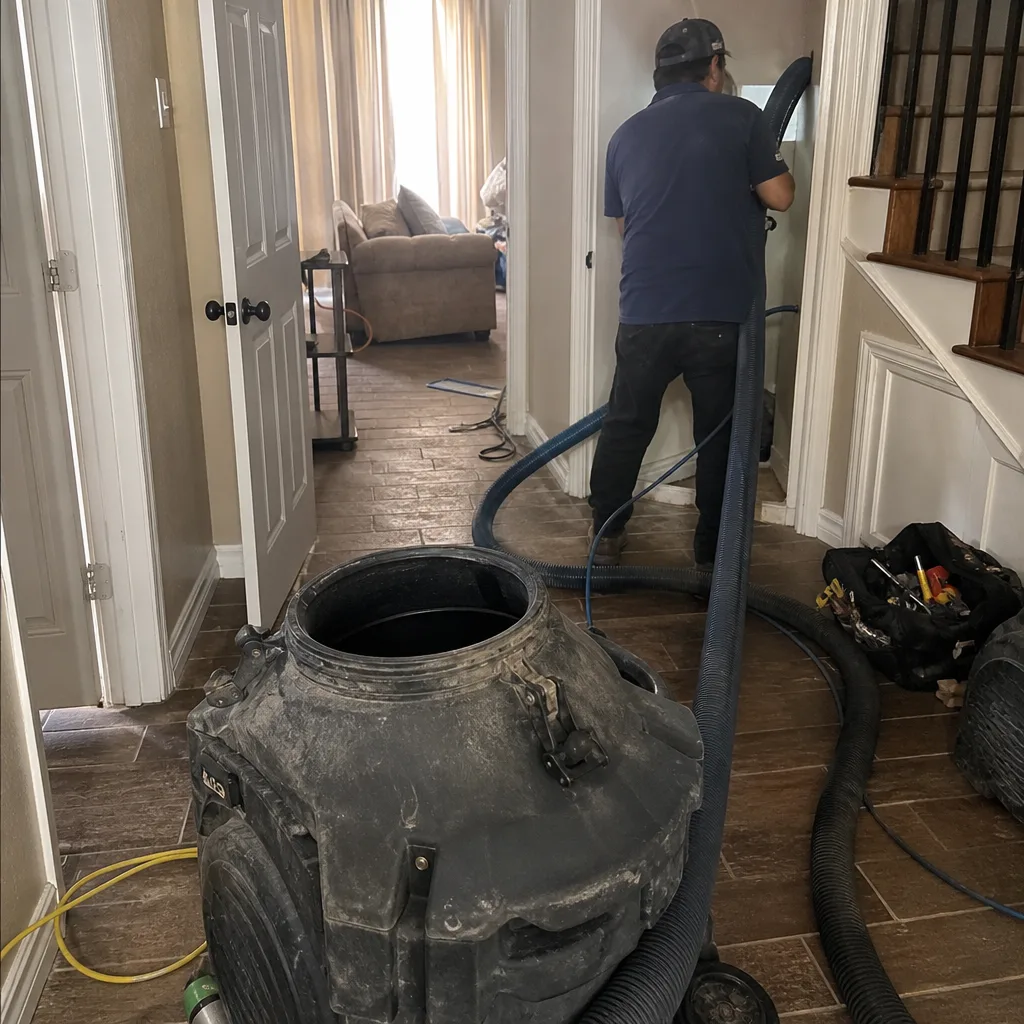
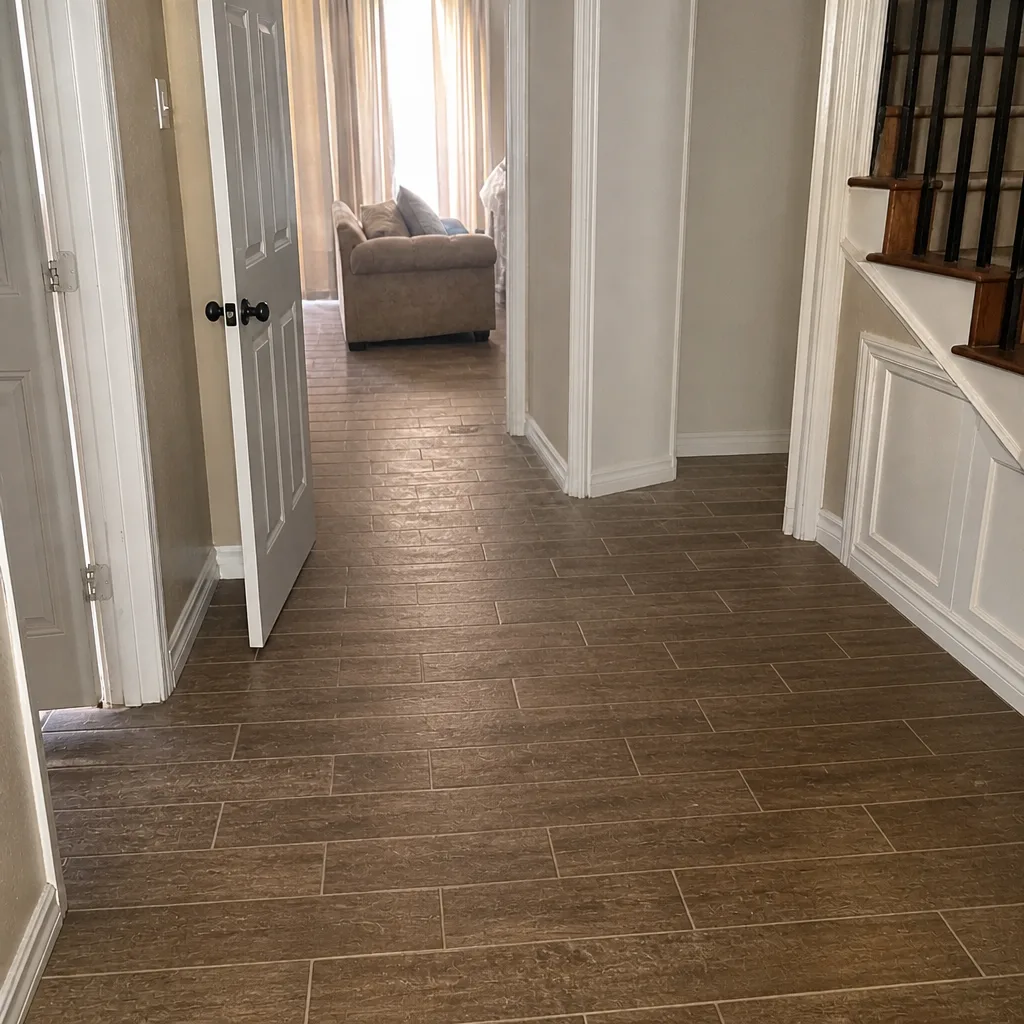
- Verification. Before-and-after photos document the work. Homeowners can see what was inside the ducts before and after cleaning, which is the honest answer to “how do I know the work was done?”
- Air-quality recommendations, only if genuinely useful. If the home’s filtration or humidity control is genuinely limiting the system, Honeywell and Aprilaire are the equipment brands we integrate with. This is not a required add-on. It’s a conversation when there’s a reason for one.
That sequence is what separates a real cleaning from someone who shows up with a shop vac and a long brush. The scope of the work is materially different. Professional-grade equipment, used in a specific sequence, is what makes the deeper clean possible.
What Makes Garland Ductwork Different
Garland has housing stock that ranges from late-1950s and 1960s ranch homes near the downtown square to newer construction in neighborhoods like Firewheel and the Lake Ray Hubbard side of town. The ductwork in each era is different.
- Older homes often have rigid metal ductwork with some flex-duct additions from later renovations. These systems are usually durable but accumulate buildup over decades and can have leaks at connection points.
- Homes from the 1980s through the early 2000s frequently have duct board trunk lines feeding flex branches. Duct board is fine as a material but is not DIY-friendly. Aggressive brushing damages it.
- Newer Garland homes tend to have flex duct throughout. Flex is easier to clean when intact, but crushes and tears more easily, making inspection more important.
Garland’s climate is mild in winter and hot and humid in summer. The cooling season runs long, meaning the system runs more hours per year than a system in a colder climate. That usually means faster accumulation of dust on coil and duct surfaces, not slower. If you’re on the fence about cleaning frequency, the climate here pushes toward more frequent, not less.
Clay-heavy soil is a factor many homeowners overlook. Foundation movement over the years can shift duct runs just enough to open gaps at joints and boot connections, allowing attic or crawl space air to enter the system. If you suspect this in your Garland home, professional inspection is worth more than the cleaning itself, because you can’t see the gap from the register.
Common Mistakes to Avoid
- Thinking a shop-vac equals duct cleaning. A shop-vac is not a duct cleaning system. It reaches surface debris in the first foot or so. Any cleaning claims that go beyond that require professional extraction equipment.
- Scrubbing duct board liner without knowing what’s inside. Duct board has a fiberglass paper liner. Scrubbing it aggressively sheds fibers into the airstream. If you don’t know what your trunk lines are made of, don’t brush them.
- Knocking debris loose without containment. Loosening debris in a duct without negative pressure redistributes it into the living space. If you’re going to open a duct, plan to contain.
- Skipping the dryer vent. A dryer that takes two cycles to finish a load is a warning, not an inconvenience. Clogged dryer vents are a leading cause of residential structure fires. That’s a professional service, every time.
- Ignoring a home inspection flag. If a home inspection report flagged duct issues, DIY doesn’t resolve that on paper. A professional inspection and documented cleaning does.
- Cleaning once and assuming you’re done. Systems accumulate dust continuously. Regular register and filter maintenance extends the interval between professional cleanings, but it doesn’t eliminate them.
- Not asking what equipment the contractor will use. This is the single most useful question you can ask. Brands like Rotobrush and Nikro signal that the contractor is running proper equipment, not a portable shop-vac with a long hose.
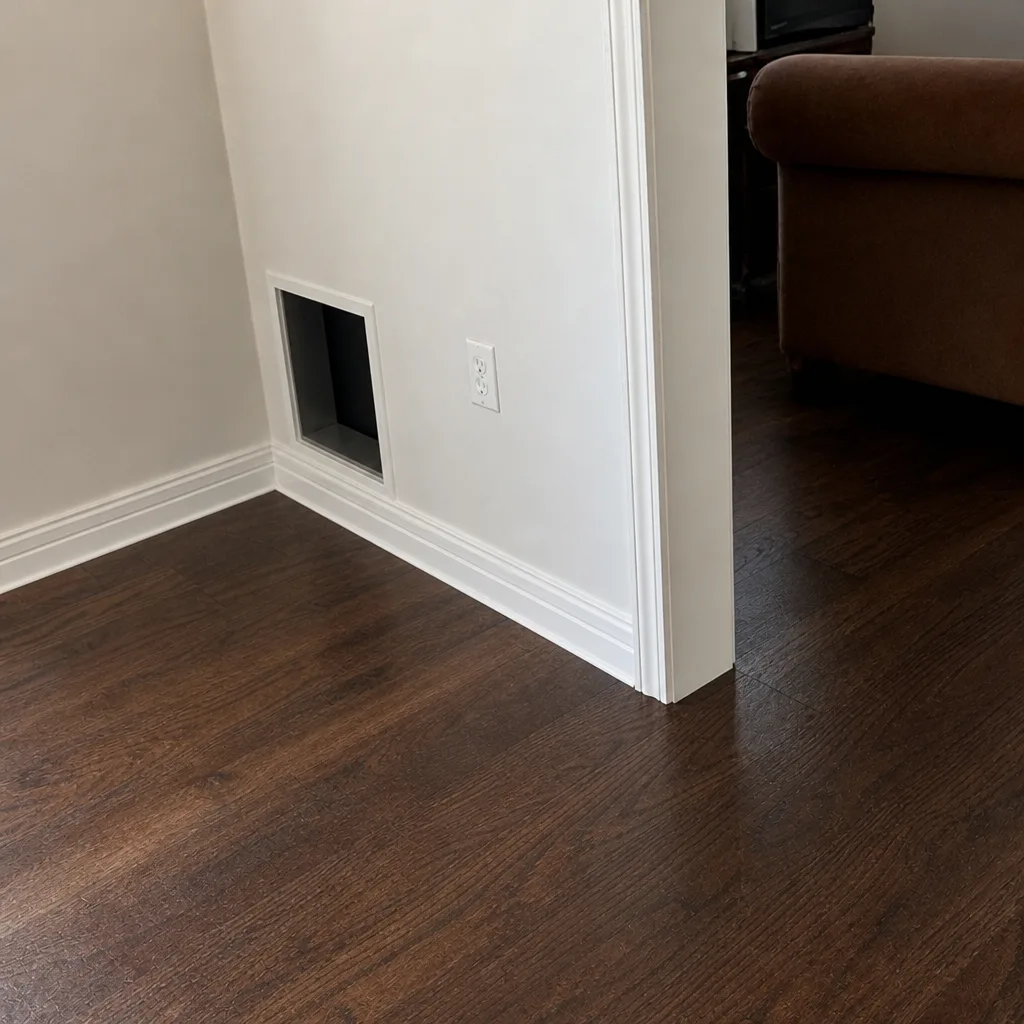
See the difference
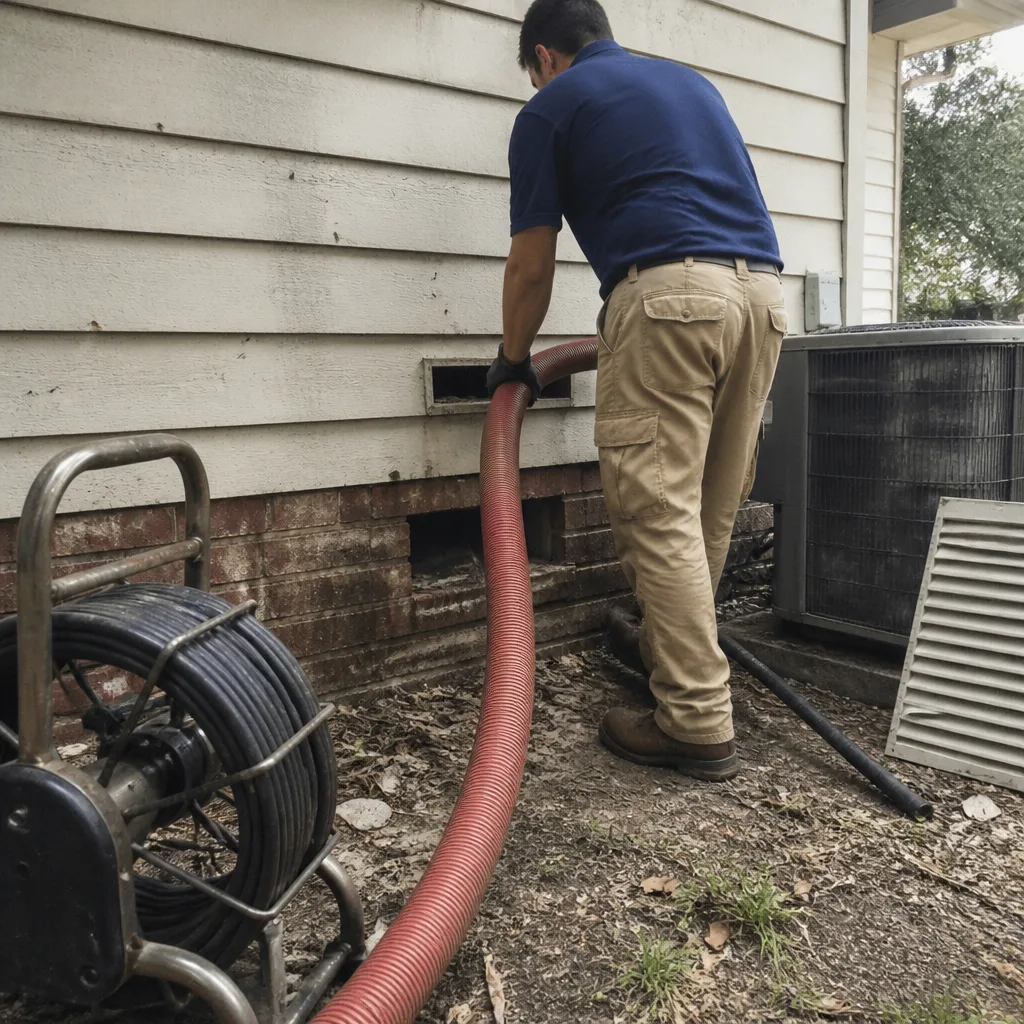 Before
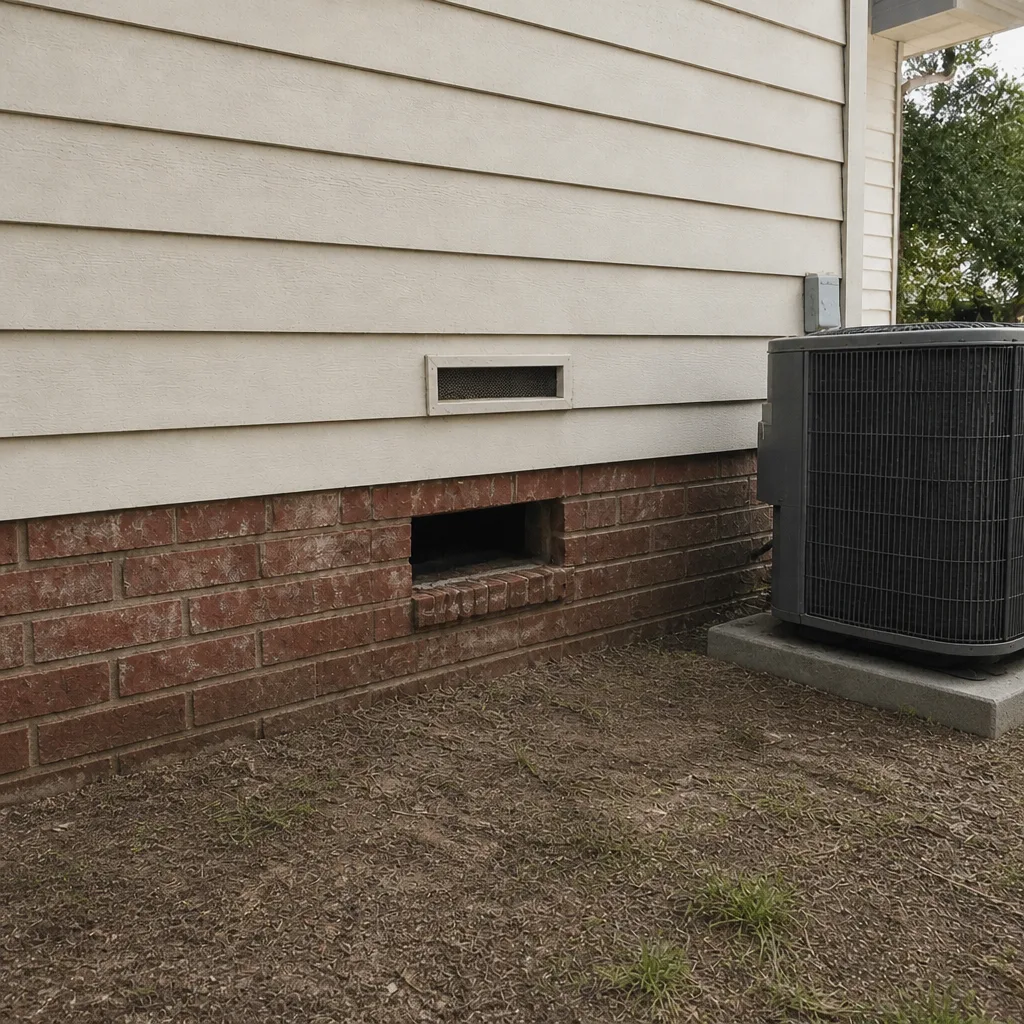 After
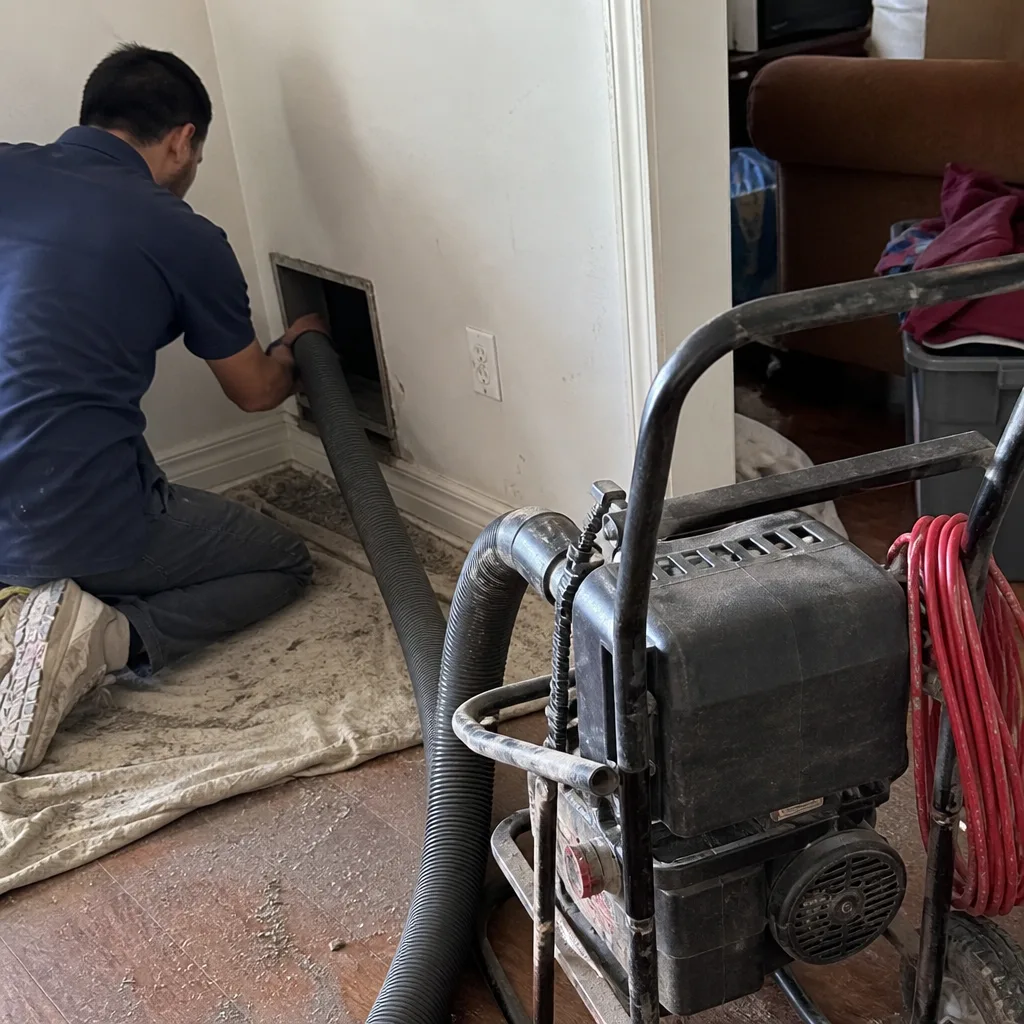 Before
 After
 Before
 After
When to Call a Professional
Call for professional service if you’ve got visible dust streaks at every register, musty odors when the system runs, a recent renovation with fine dust still in the air, a dryer that’s suddenly slow, or a home inspection flagged duct issues. Call if you’ve never had the system cleaned and aren’t sure what’s in there. Call if you suspect mold, rodents, or duct board damage, because those are not DIY territory and the consequences of a wrong attempt are real. Duct Cleaning Garland offers free estimates in Garland – call (888) 430-9938. We answer 24/7, and we run Rotobrush, Nikro, and Abatement Technologies equipment on every job, plus full air duct cleaning and dryer vent cleaning as core services. If inspection finds a breached or disconnected duct, we repair what we find – because cleaning a duct with a breach just moves debris around. For a broader look at the service lineup, our duct cleaning page covers the details.
Frequently Asked Questions
Yes, partially. You can clean registers, grilles, and the first foot or so of the duct boot with a shop-vac and a flexible brush. You cannot clean trunk lines, plenums, or duct board interiors without professional equipment, and you shouldn’t attempt duct board contact cleaning without knowing exactly what’s inside. If you’ve never had the system serviced and the ducts look dirty when you open a register, professional cleaning is the right first step.
Surface-level DIY cleaning is safe. Opening a register grille to vacuum and wipe is low-risk and catches real debris. The safety concern comes from disturbing contamination you can’t see: mold spores, rodent droppings, decades-old debris in the trunk. Loosening those without negative pressure containment redistributes them through the house. If you’re not sure what’s in the system, professional inspection is the safer starting point.
Rotobrush brush-system technology – a rotating brush on a cable that makes mechanical contact with duct walls along the full run. Nikro extraction systems – airflow capacity sustained through large ducts. Abatement Technologies containment equipment – negative pressure so loosened debris doesn’t recirculate into the home. None of these are available for rent or purchase at consumer scale, and their absence is what defines the ceiling of DIY work.
Every three to five years for most Garland homes, more frequently if you have allergy sufferers in the house, pets that shed, recent renovations, or a long-running cooling season that keeps the system busy. Annual register cleaning and filter changes extend the interval a bit. Homes that have never been serviced benefit most from an initial professional clean followed by a realistic maintenance cadence.
Only if you’re doing it as interim maintenance between professional cleanings, not as a substitute. DIY that leaves the deeper ductwork dirty often means a longer, more involved professional job later, plus the possibility of duct board repair if improper brushing damaged a liner. Treat DIY as a between-cycle routine and professional cleaning as the real service, and the cost math works in your favor.
DIY cleaning has no documentation. A professional cleaning produces before-and-after photos and a scope of work – which is what a buyer, seller, or lender expects to see when a report has flagged duct issues. If your Garland home has a flagged duct report, call for a professional inspection first. Call (888) 430-9938 for a free estimate.
Yes, in two ways. First, agitating debris without containment spreads it through the living space rather than removing it. Second, contact cleaning of duct board interiors without proper technique sheds fiberglass material into the airstream. Both are recoverable with a subsequent professional job, but they cost more than if the DIY attempt hadn’t happened. For a home in Garland, where duct board trunk lines are common in homes built from the 1980s onward, this is a real risk.
The Bottom Line
DIY duct cleaning has a real, useful place: registers, grilles, boots, and accessible flex runs. That’s not nothing – it’s the surface layer that matters most for visible dust. But DIY has a hard ceiling at the point where the equipment can no longer generate negative pressure, and on most Garland systems that ceiling arrives before the trunk. If you’re doing surface cleaning between professional cycles, DIY is a smart routine. If you’re attempting to fix a system with real contamination, mold, rodent activity, damaged duct board, or a flagged inspection report, professional service is the answer. Our technicians have up to 13 years of experience, and we run the equipment that makes the deeper clean possible. If you’re ready to see what’s actually inside your ducts, call (888) 430-9938 for a free estimate. We answer 24/7. Fast dispatch from 7am to 7pm, Sunday through Friday.
Written by the team at Duct Cleaning Garland.