
Last updated November 15, 2026
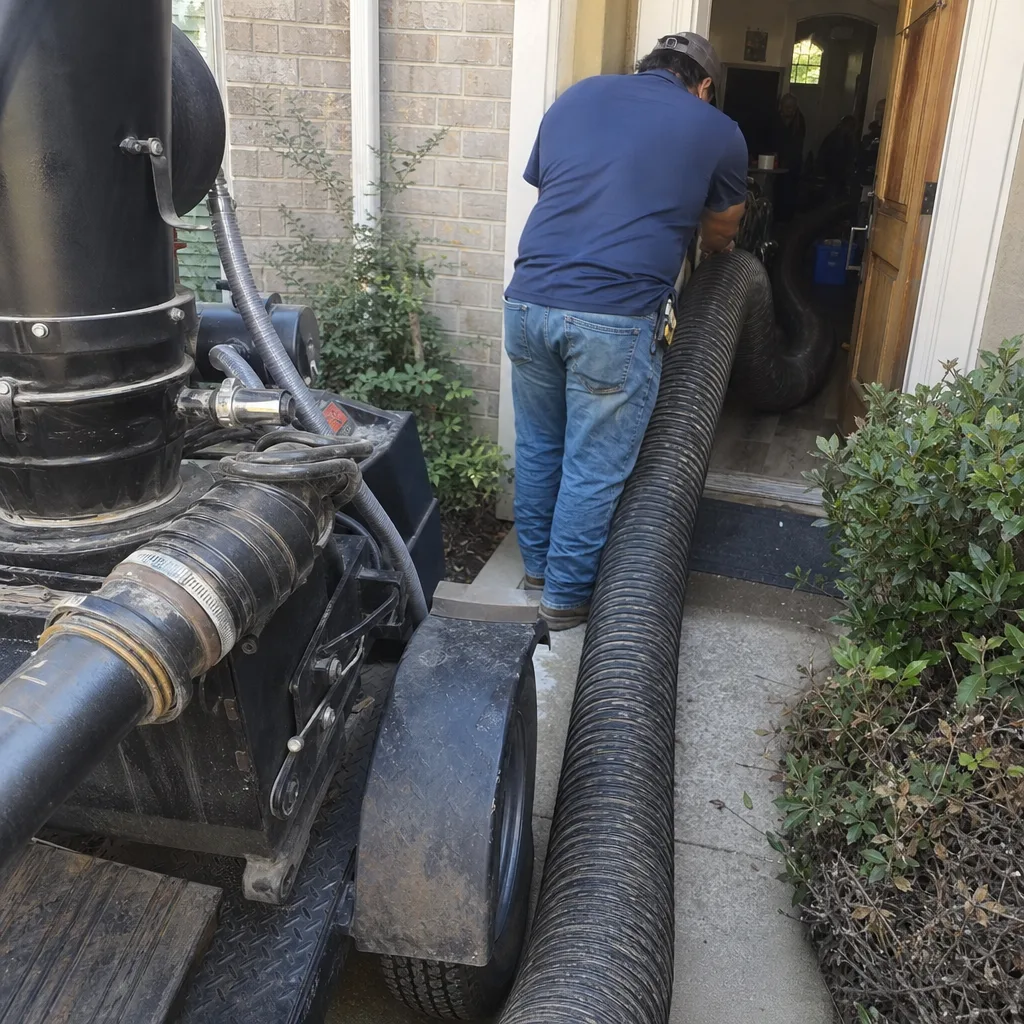
 Whole-home duct cleaning
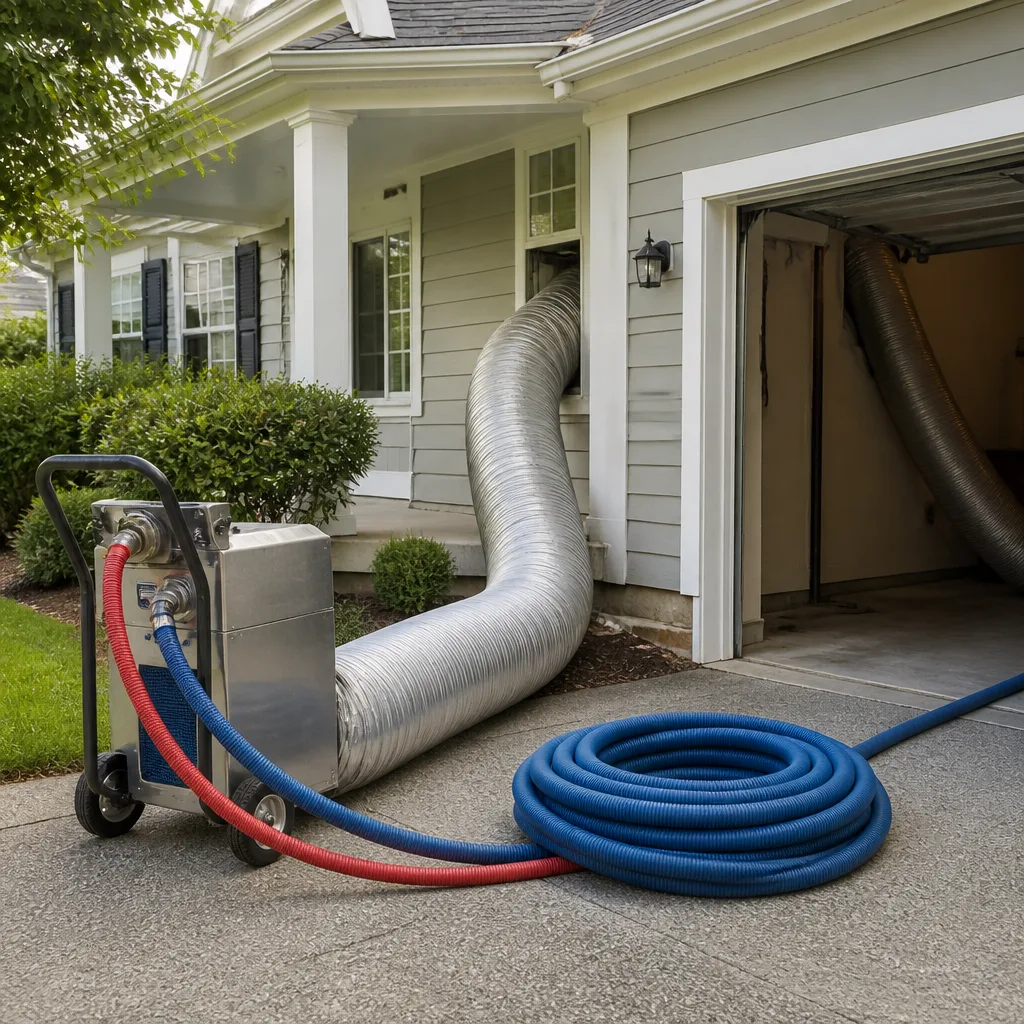
 Dryer vent cleaning
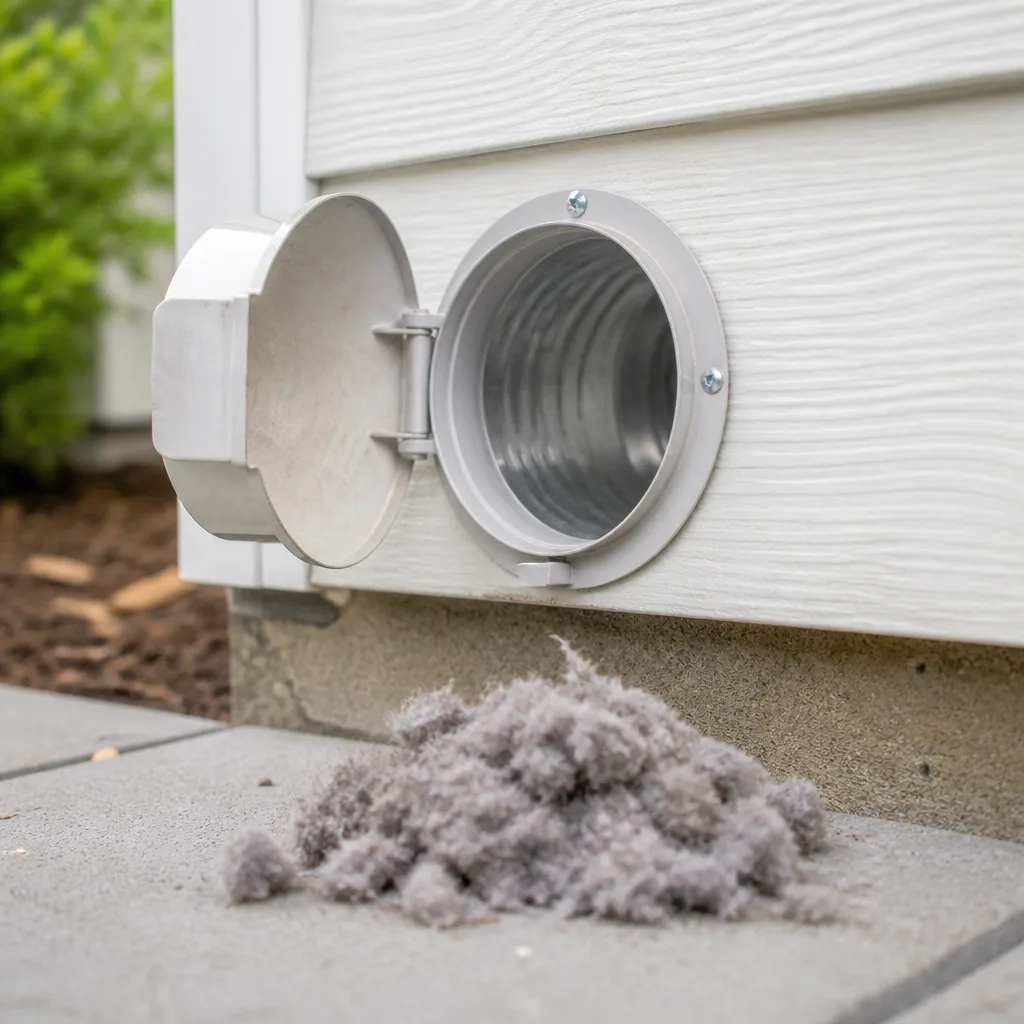
 Camera inspection
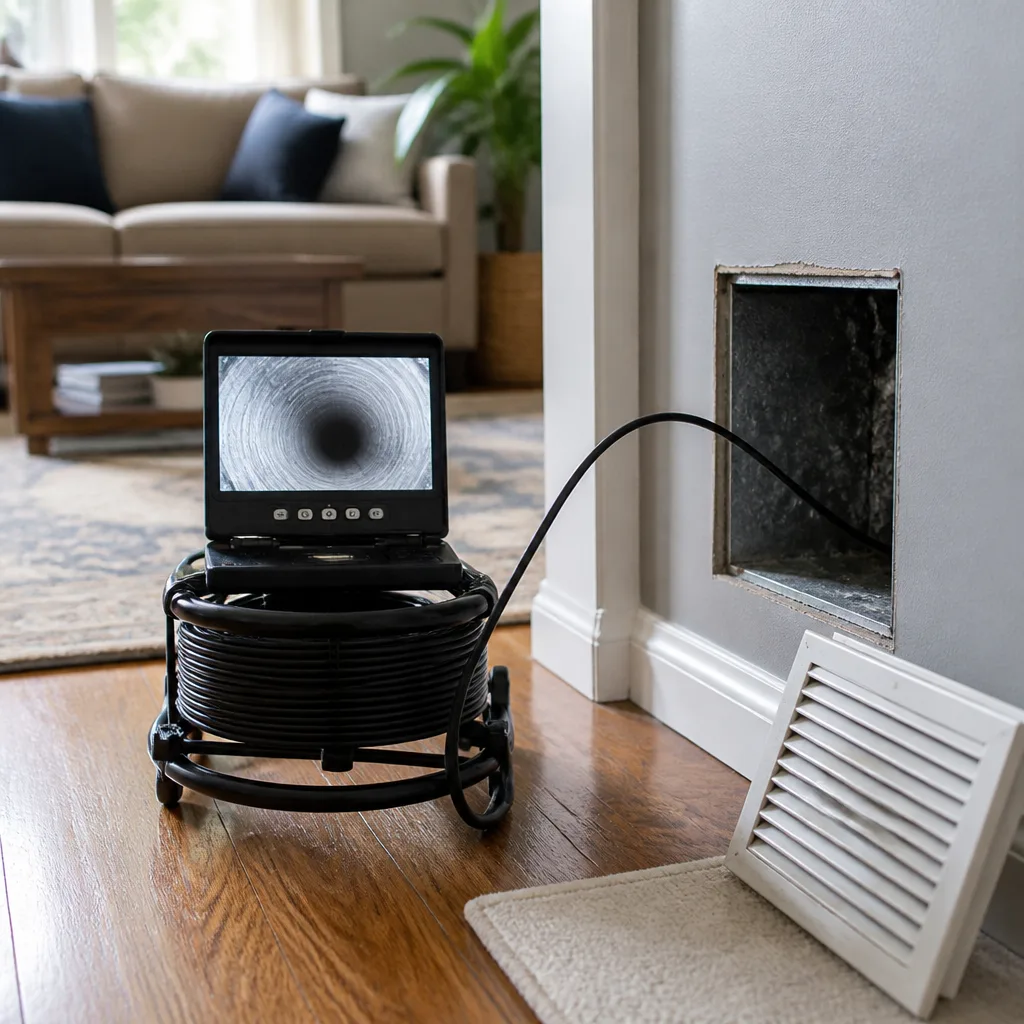
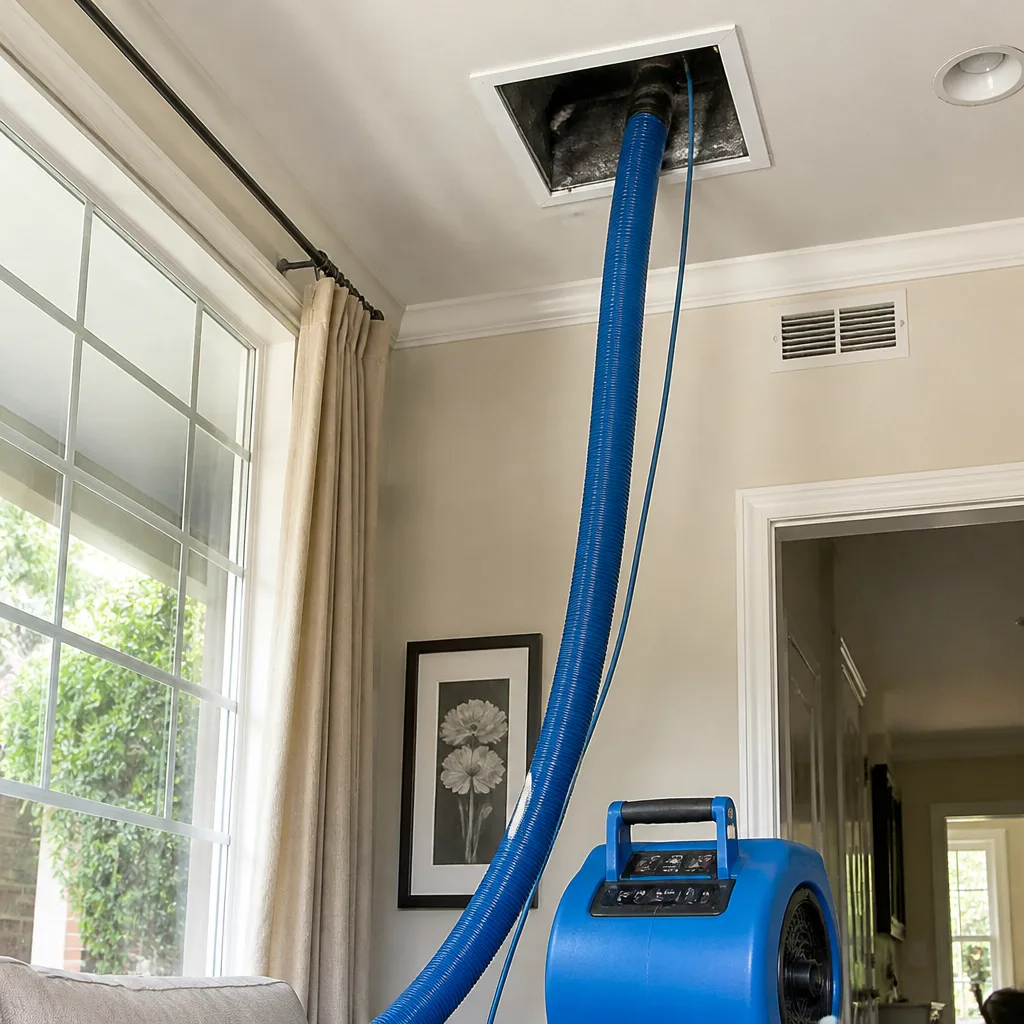 Sanitizing & deodorizing
Whole-system duct and dryer vent check with before-and-after photos - you see exactly what came out of your vents
That "$99 whole-house special" is a bait ad - the real number appears once they are in your hallway, or the "clean" is a shop-vac at the register. We photograph the inside of your ducts before and after instead.
Choosing the Right Air Duct Cleaning Brand: A Buyer’s Guide for Garland
Put a Rotobrush contact-cleaning system into a duct run lined with deteriorating duct board and you’ve made the problem worse, not better. A stiff rotary brush on a flaking, friable surface grinds the liner into dust and pushes it through the system. You wouldn’t scrub a non-stick pan with a wire brush. The same logic applies to duct interiors, which is exactly why the “best equipment” question has no single answer. The right platform depends on what your ducts are actually made of. This guide breaks down what Rotobrush, Nikro and Abatement Technologies equipment each does well, where each one is the wrong tool, and the questions that separate a contractor who knows their machinery from one hoping you won’t ask. Garland homeowners with a mix of mid-century sheet metal and newer flex should read it before booking.
Quick Answer
The best air duct cleaning equipment in Garland TX depends on your duct material: Rotobrush brush-and-vacuum systems suit sheet metal and flex duct in decent condition, Nikro negative-pressure collection units handle whole-home debris extraction and source containment, and Abatement Technologies negative air machines belong in mold-adjacent or remediation scopes. There is no universal “best” platform. A contractor who names their specific equipment, explains why it fits your duct configuration, and can tell you what it won’t do is the one to trust.
Styles & brands we work with
- Whole-home duct cleaning
- Dryer vent cleaning
- Camera inspection
- Sanitizing & deodorizing
Table of Contents
- What duct cleaning equipment brand names actually tell you
- How Rotobrush contact cleaning works and when it fits
- Nikro negative-pressure systems and why CFM matters
- Abatement Technologies equipment and containment
- Matching equipment to duct material: metal, flex and duct board
- 10 questions to ask a contractor about their equipment
- Why repair capability belongs in the equipment conversation
- How equipment choice shows up in what you’re quoted
What duct cleaning equipment brand names actually tell you
Brand names on a duct cleaning website are either engineering disclosure or decoration. When a page says “state-of-the-art equipment,” you’ve learned nothing. When it names Rotobrush, Nikro or Abatement Technologies, you can look up the actual capability of the platform and decide whether it matches your home. That’s the difference that matters for a buyer.
Each of these brands occupies a specific slot in the trade:
- Rotobrush is a contact cleaning system. It puts a brush on a flexible cable into the duct and physically agitates debris off the wall while a vacuum pulls it into a collection unit. It is a mechanical method, not an air-blowout.
- Nikro builds professional-grade extraction and negative-pressure equipment. These are portable collection units with real suction capacity, the kind commercial HVAC contractors use, not a shop vac rolled off a truck bed.
- Abatement Technologies manufactures air filtration and negative air machines. Their role in this work is containment: keeping loosened debris and airborne particles from drifting back into the living space during service.
Garland has an unusually wide range of housing stock, from 1950s and 1960s ranch homes with original sheet metal trunk runs to subdivisions built in the last fifteen years with long flex runs. A contractor servicing that market with one method and one machine is making a bet your house might lose. The point of a buyer’s guide is to hand you the wrench, so to speak: know what the platform does, then make the contractor tell you how it fits your ducts.
The broader picture of what air duct cleaning involves makes more sense once you can separate the equipment from the marketing. Cleaning method, containment, extraction and the condition of the ducts themselves all have to line up.
How Rotobrush contact cleaning works and when it fits
Rotobrush systems use a rotary brush head on a flexible shaft, fed through the duct from a working point, combined with a high-volume vacuum. The brush spins against the duct wall and knocks loose the accumulated dust, dander and film that has bonded to the surface. The vacuum pulls that material toward a collection unit. It’s called contact cleaning because the brush physically touches the surface. Air-whip or compressed-air agitation, by contrast, stirs debris into the air stream and hopes the vacuum catches it all before it settles again.
What Rotobrush is good for:
- Sheet metal ductwork. The brush can run a metal trunk line and branch runs with predictable results. Metal tolerates contact well.
- Flex duct in sound condition. The flexible, corrugated inner liner of flex duct traps debris in the ribs. A contact method reaches into those ribs where a straight vacuum pull tends to skate over the surface.
- Heavier buildup. When dust has bonded to the wall rather than sitting loose, agitation is required. Suction alone won’t lift a film that’s adhered.
Where it doesn’t fit:
- Deteriorating duct board. Duct board is a rigid fiberglass product with an interior liner. When that liner is failing, friable or already shedding, a rotary brush can break it down further and drive fibers into the airstream. A careful contractor inspects for this before choosing the tool.
- Brittle or damaged flex. Contact on a compromised liner can tear it. That’s why duct repair matters as a companion service.
- Tight-radius runs. Some installs have turns the brush head can’t negotiate without risk to the duct.
In our experience across Garland, the most common finding is a mix: metal trunk line, flex branches to bedrooms and additions, and one or two runs where the duct board is showing its age. The honest answer in a house like that is “brush the metal and the healthy flex, don’t brush what’s failing, and quote the repair.”
Nikro negative-pressure systems and why CFM matters
Nikro equipment is a collection and extraction platform. In duct cleaning, the practical job is to create enough negative pressure in the system that every bit of debris you loosen has somewhere to go, and that somewhere is the collection unit, not your living room. CFM, or cubic feet per minute, is the measure of how much air the unit moves. A larger home with more duct volume needs more capacity to maintain that pull across the whole run. A small unit on a big system loses suction at the far branches, and the far branches are usually where the debris collects.
What to understand about negative-pressure extraction:
- Source containment. The vacuum connects at a strategic point, typically at the furnace or a main trunk, and pulls the whole system toward it. Registers get agitated from inside, and the debris travels to the collection point instead of puffing into rooms.
- Filtration stages. Professional units use multi-stage filtration. The filtration tier determines what particle size the exhausted air is clean of, and higher HEPA tiers mean finer capture. Ask what filtration stage the unit exhausts through.
- Capacity match. The unit’s CFM needs to suit the home’s duct volume, not just the room it’s sitting in. A contractor with one small unit and a four-thousand-square-foot Garland house should be able to explain how they maintain vacuum across the length of the system.
- Seal before suction. A leaky or disconnected duct run bleeds the negative pressure. That’s a repair problem disguised as a cleaning problem, and we’ve seen it often in Garland homes where an addition was tied into an older system.
If you want the wider context on how a full cleaning sequence fits together, Duct Cleaning Garland lays out the service flow. The short version: containment, agitation, extraction, inspection, and a decision about whether repair is needed before the system goes back in service.
Abatement Technologies equipment and containment
Abatement Technologies makes air filtration devices and negative air machines, and their place in duct work is specifically containment. Negative-pressure containment means the work area and the duct system are held at a pressure lower than the surrounding rooms, so any airborne particle released during cleaning moves toward the machine instead of out into the home. Air filtration devices then scrub that air through filters before it’s returned.
Why this matters even for routine cleaning: every cleaning method loosens material. Some of it is fine dust that will hang in the air for a while. If a contractor cleans without containment, that dust resettles on your furniture and surfaces, and you may notice it for days. Getting the containment right is what separates a professional service from a quick blowout.
Where Abatement equipment earns its keep:
- Mold-adjacent scopes. When inspection finds conditions consistent with mold growth, containment moves from “good practice” to “required.” You don’t spread the problem while addressing it.
- Homes with allergy or respiratory concerns in the household. Lower airborne particulate during the job makes the service itself less disruptive.
- Post-repair work. After sealing a breached duct, containment during the follow-up cleanup keeps the repaired system clean rather than reintroducing debris through the leak.
We can tell you this: if a proposal has no mention of containment or negative pressure anywhere on it, ask. A reputable contractor who uses Abatement equipment or an equivalent platform will be able to tell you what’s running and why.
Matching equipment to duct material: metal, flex and duct board
This is the heart of the guide. Duct material should drive the equipment choice, not the contractor’s inventory. Here are the three substrate types in most Garland homes and how each should be approached.
- Sheet metal trunk and branch runs. Rigid sheet metal tolerates contact cleaning well. A Rotobrush brush system is the natural method. The main risk is that old ducts have seams and joints that can loosen over decades. A careful technician checks the seams during cleaning.
- Flex duct. The flexible, corrugated plastic or foil liner is common in Garland installations from the 1990s onward. It’s contact-cleanable when intact. The inner liner is what matters: if it’s brittle, torn or already delaminating, contact risk is high. The right move is inspection and, if the liner is failing, replacement of that run rather than cleaning it.
- Duct board. Rigid fiberglass with an interior foil or coated liner. When the liner is intact, it can be cleaned with care, sometimes with lower-agitation methods. When the liner is deteriorating, it’s friable, and a rotary brush is the wrong tool. A surface that crumbles under contact becomes the debris. This is the case where the “wire brush on a non-stick pan” analogy earns its keep.
One-system-fits-all claims are a red flag. Any contractor who tells you “we clean everything the same way, we’ve never had a problem” is telling you something about their equipment inventory and something about their inspection process. The house with a mid-century trunk and a 2005 flex addition needs both methods considered. That’s not a marketing differentiator, it’s just how the work is done well.
If you live in one of Garland’s older neighborhoods, like the Garland blocks with heavier original sheet metal duct runs, be direct with the contractor about duct age and ask what method they’d use. You’re not being a difficult customer. You’re giving them the information they need to bring the right equipment.
10 questions to ask a contractor about their equipment
The buyer’s leverage is questions. A contractor who knows their equipment will answer these precisely. A contractor who doesn’t will answer vaguely or deflect. That’s the tell.
- What brand of cleaning equipment will you use, and why that one for my ducts? You’re listening for a specific platform and a reason that references your duct material.
- Is the method contact cleaning or air agitation? Both have a place, but a contractor should know which they’re running and why.
- What CFM does your extraction unit move, and is it rated for a home this size? A number and a match is the good answer.
- What filtration tier does your unit exhaust through? This tells you what particle size returns to the air.
- How do you maintain negative pressure during the job? The answer should mention a machine doing that work, not a window fan.
- Will you use air filtration or negative air equipment for containment? A yes with a brand name is the signal you want.
- What happens if you find deteriorating duct board or a torn flex liner during inspection? The good answer starts with “we stop and tell you before we go further.”
- Do you offer duct repair, or do you only clean? Cleaning a system with disconnected or breached runs is close to pointless.
- Will I get before-and-after photos from inside my own ducts? Documentation is how you verify the work was actually done.
- What does the written estimate cover, and is one price set before work starts? One flat price per system agreed in advance is the clean answer.
If a contractor can’t answer what equipment they’re using and why, that’s not a confidence issue, it’s a capability signal. Move on.
Why repair capability belongs in the equipment conversation
Equipment choice is half the story. The other half is what happens when the equipment reveals a problem. Cleaning and repair are not separate conversations in practice. A vacuum pulls on a duct system, and if the system has a disconnected section, a torn flex run or a crushed duct in a tight attic space, that leak simply bleeds the suction. The work looks done, and the system still performs poorly.
We repair what we find. That’s not a sales pitch, it’s an engineering conclusion:
- A disconnected duct run means conditioned air is leaking into a crawlspace or attic instead of your rooms. Cleaning won’t fix that. Repair will.
- A torn flex liner means debris is settling into the insulation gap and the duct is shedding. Cleaning is the wrong move until the liner is replaced.
- A crushed or kinked flex run in a tight install has to be re-routed or replaced, not vacuumed.
In Garland, we’ve seen plenty of systems where an addition tied into an older duct system created a poorly sealed junction. The homeowner calls about a musty smell or rising energy bills. A thorough inspection finds the breach before the cleaning. The honest service at that point is repair the breach, then clean, then offer the before-and-after photos so the homeowner sees what changed. A contractor who can’t do repair is likely to skip the finding.
If your home inspection report flags disconnected or damaged ducts, the repair scope comes first. dryer vent cleaning is a related life-safety service worth scheduling while a crew is already on site, since a blocked dryer vent is a leading cause of residential structure fires.
How equipment choice shows up in what you’re quoted
The equipment a contractor brings costs money. Rotobrush systems, Nikro extraction units and Abatement containment machines are professional capital. That investment shows up somewhere in the price. And that’s fine, as long as you can see what you’re paying for.
Two patterns to understand:
- A conspicuously low teaser quote usually signals a shop vac on a truck bed, no containment, and a quick one-pass blowout. The low number doesn’t mean a better deal. It means a different scope.
- A written estimate that names the method, the equipment, and the containment plan is telling you the work it intends to do. One flat price per system, agreed before the work starts, is the structure you want.
Pricing on duct cleaning varies with duct volume, system configuration, the level of buildup, and whether repair is needed. That’s why we don’t quote per-vent, and we don’t believe anyone who does is giving you an honest number. A whole-system estimate that includes the equipment plan and the inspection is the only quote worth comparing.
The energy-bill pitch deserves a note. There’s no honest way to promise a specific savings percentage from cleaning, because savings depend on how much the system was losing to leaks and how much duct cleaning alone can recover. What cleaning does is bring the system back to its intended operating condition. Repair of leaks is what recovers lost air.
Common Mistakes to Avoid
- Asking “what’s your price” before “what’s your equipment.” Price without scope is meaningless. Get the method and the equipment first, then a written estimate, then compare.
- Accepting a per-vent price. Per-vent pricing rewards speed over thoroughness. A whole-system price per system is the honest structure.
- Letting a contractor air-blowout a system with duct board liner. Agitation without inspection on a deteriorating duct board run is the wrong method on the wrong surface. Ask for an inspection first.
- Skipping the containment question. In a Garland home with allergies in the household, this is the question that affects how disruptive the job is. If there’s no machine doing containment, ask why.
- Cleaning before repairing. A disconnected duct run or a torn flex liner has to be addressed first. Cleaning a broken system just redistributes what’s already going to leak back in.
- Ignoring the dryer vent. It’s a fire-safety service sitting in the same utility closet as the air handler. If you’re booking duct work, ask about the dryer vent.
- Not asking about before-and-after photos. Documentation is the difference between a claim and a verification. A contractor who can show you the inside of your own ducts before and after is demonstrating the work happened.
See the difference
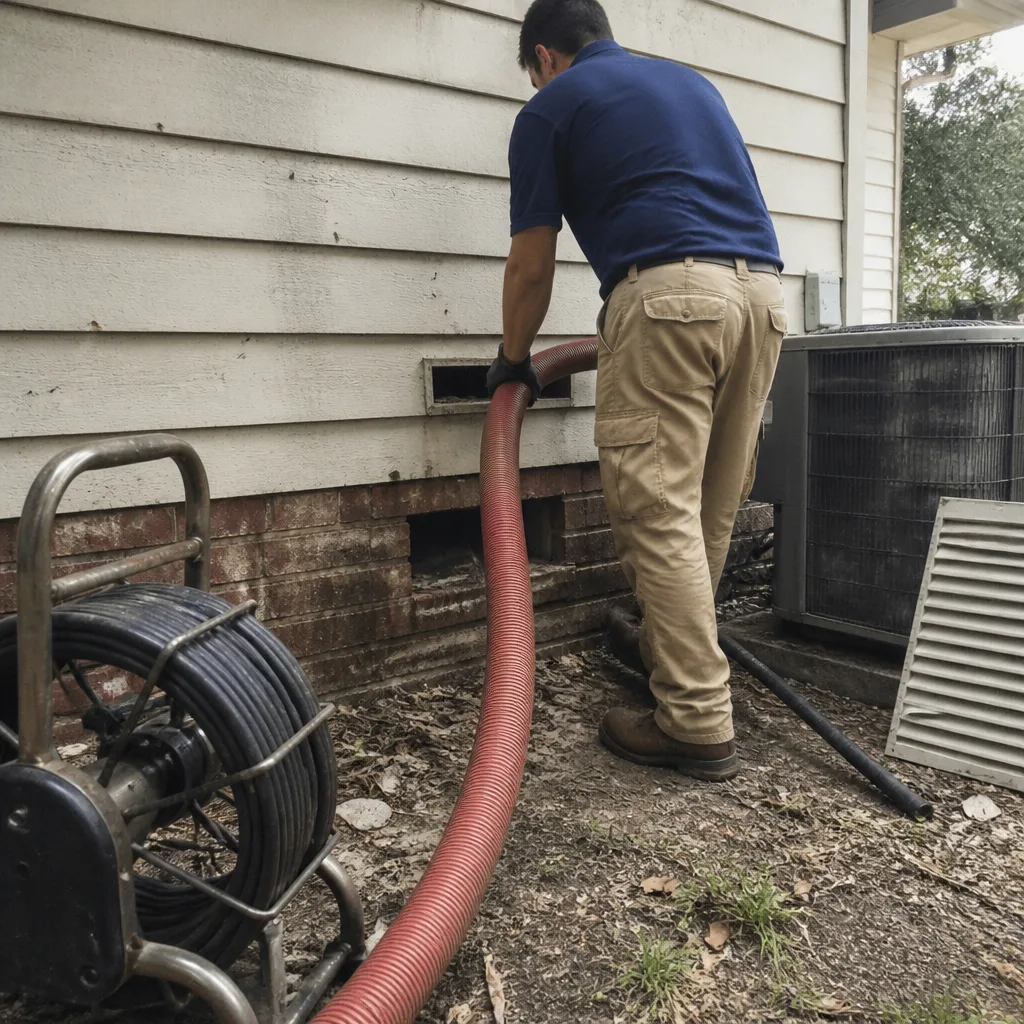 Before
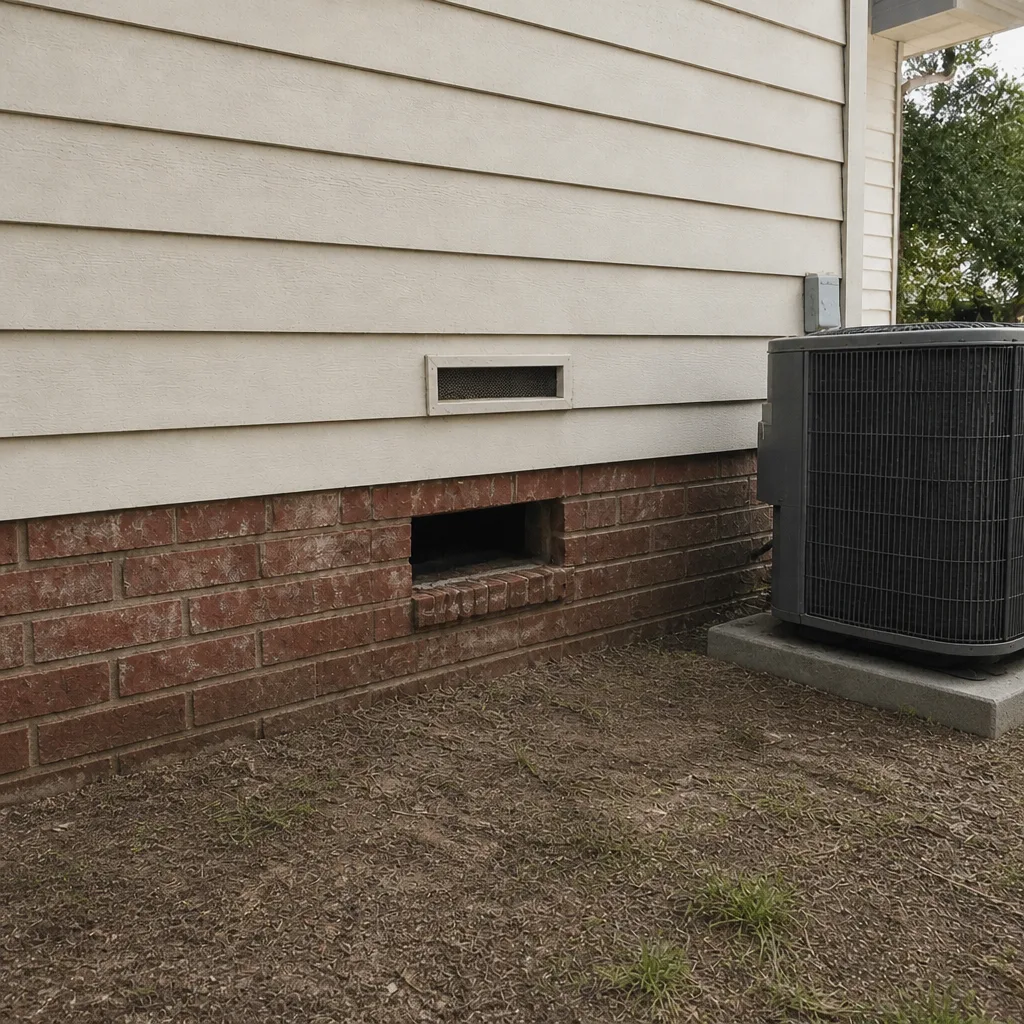 After
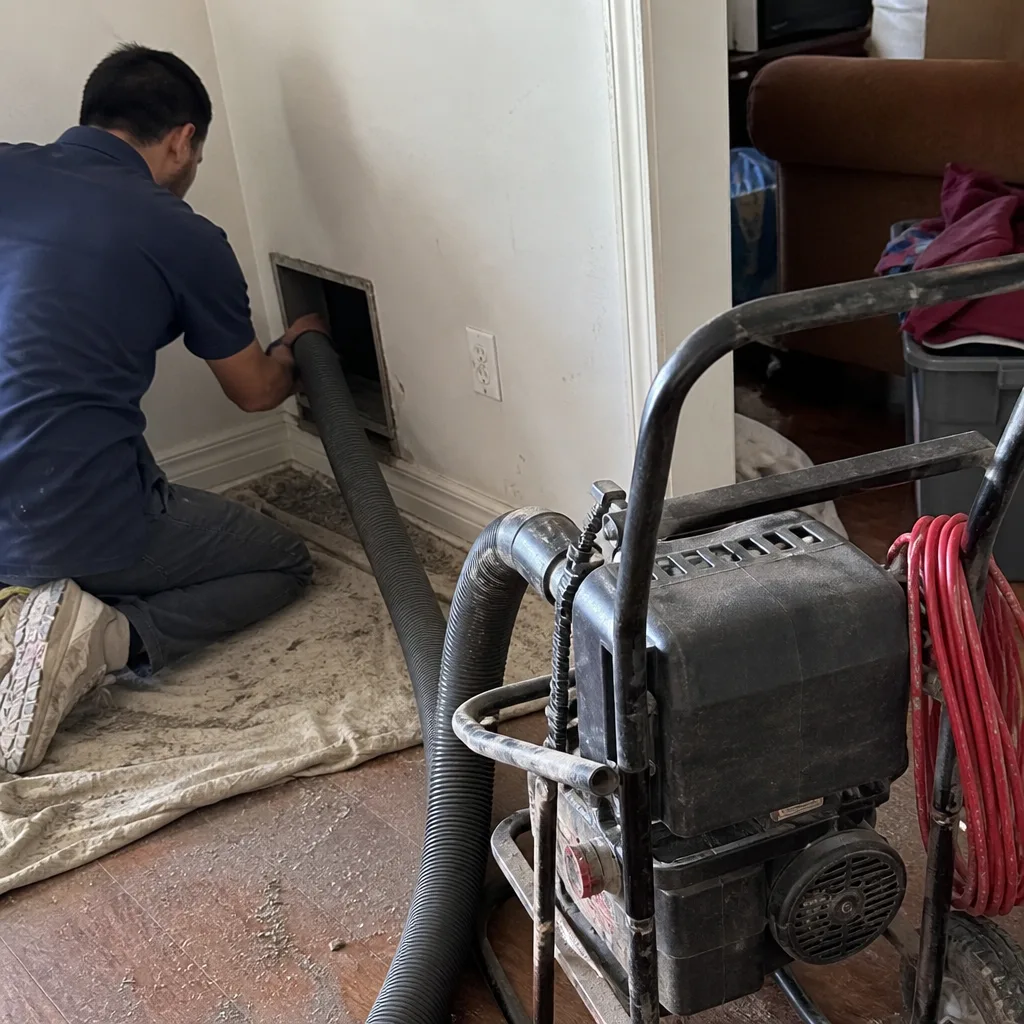 Before
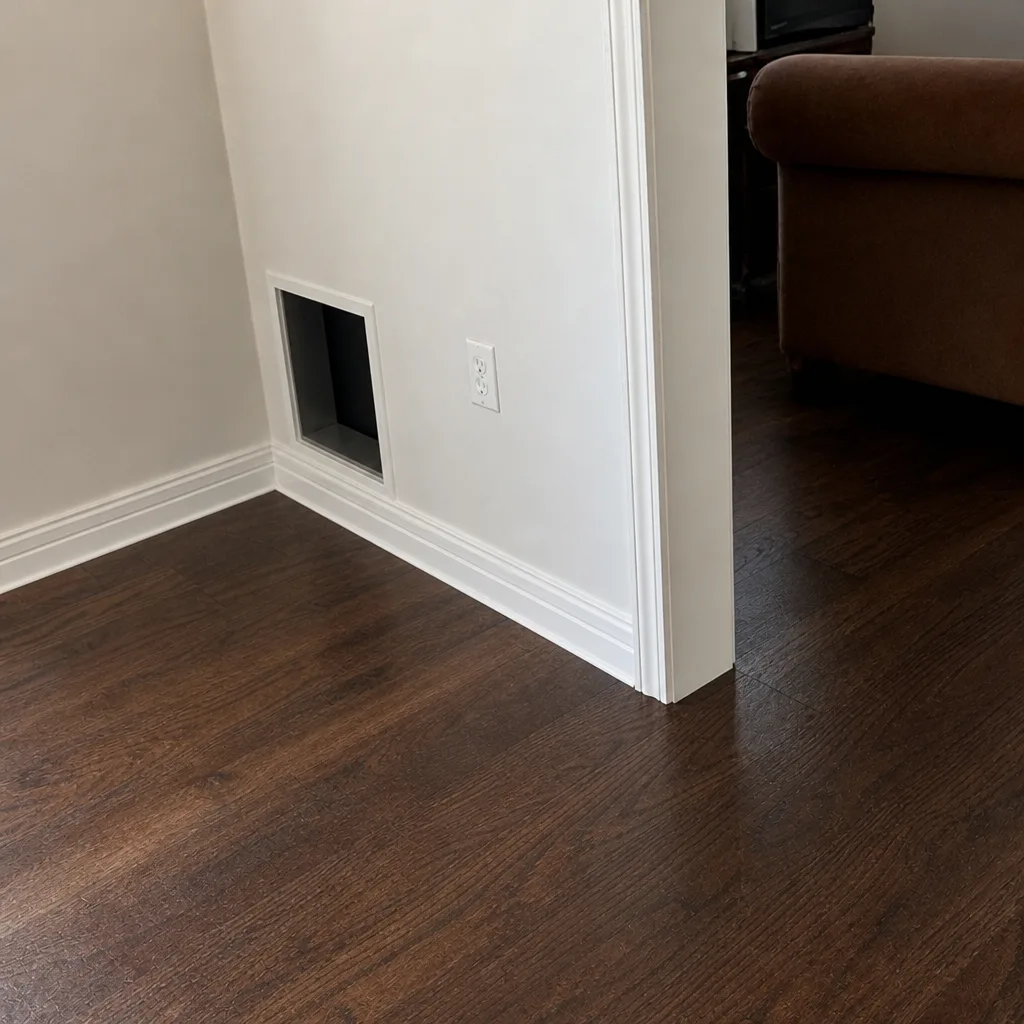 After
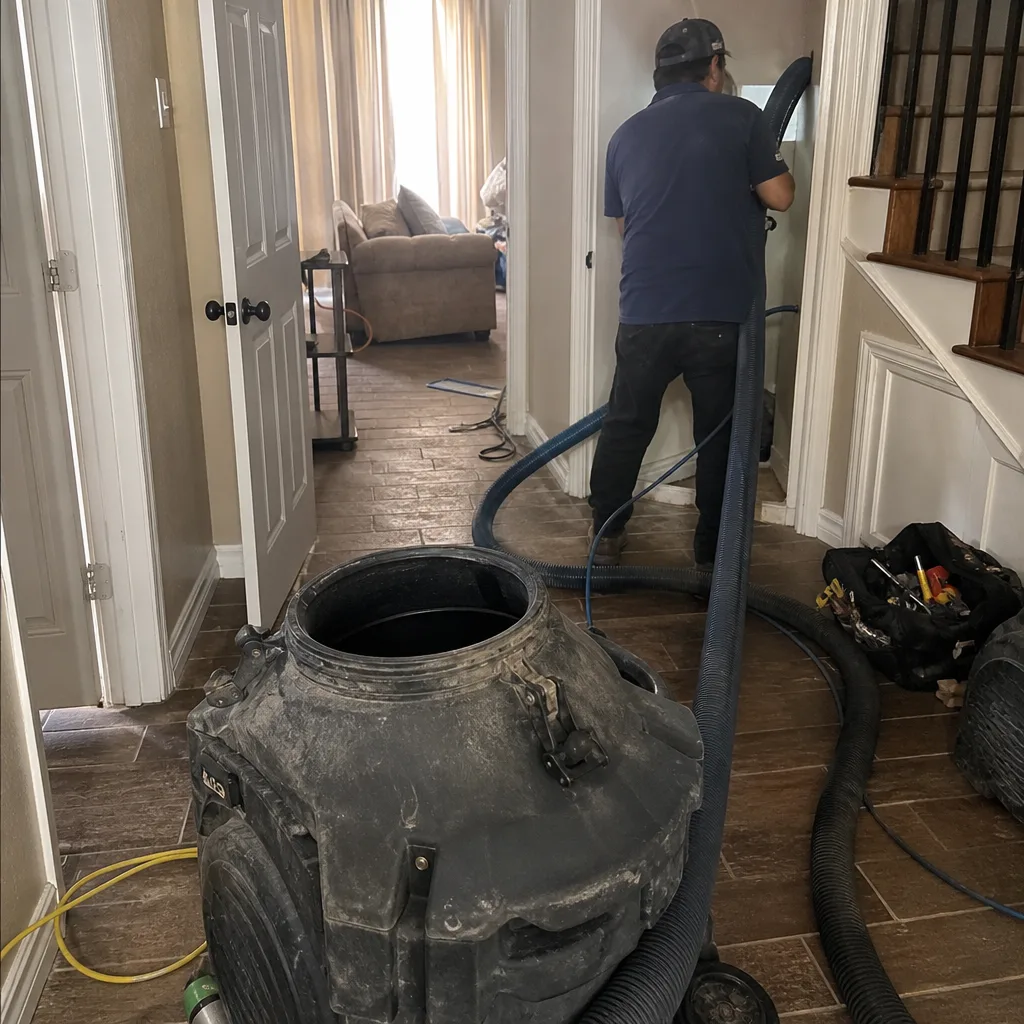 Before
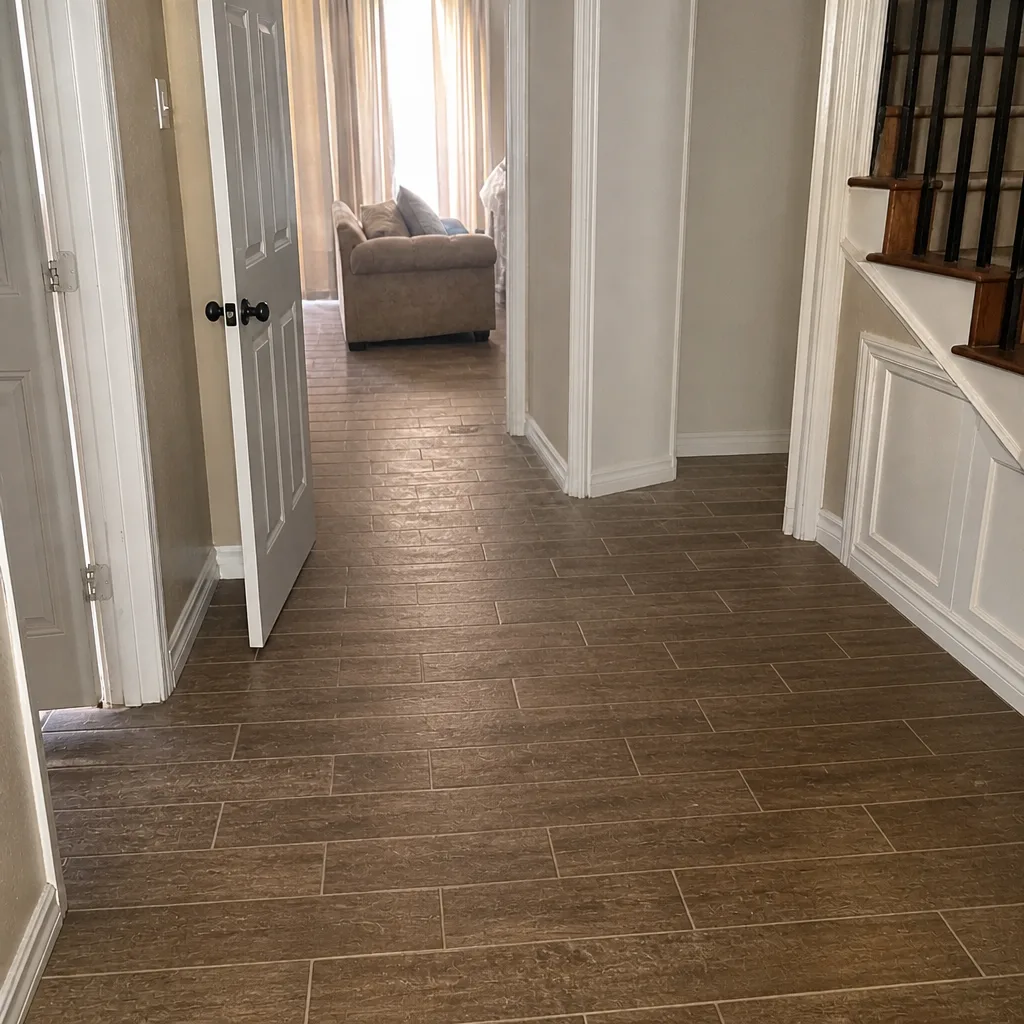 After
When to Call a Professional
Call for a professional assessment if you’re seeing any of these: a musty or “dirty sock” smell when the system runs, visible dust settling on furniture shortly after cleaning, allergy symptoms that flare up indoors but ease outdoors, energy bills creeping up with no explanation, a dryer that now needs two cycles to dry a load, or a home inspection report that flags disconnected or damaged ducts. Each of those points to a problem a homeowner can’t diagnose with a flashlight, and equipment choice should follow that diagnosis. Duct Cleaning Garland offers free estimates in Garland. Call (888) 430-9938. We answer 24/7. Fast dispatch from 7am to 7pm, Sunday through Friday.
Frequently Asked Questions
There isn’t a single best platform; the best choice is the one matched to your duct material. Rotobrush contact-cleaning systems suit sheet metal and sound flex duct, Nikro extraction units maintain the negative pressure needed for full-system removal, and Abatement Technologies air filtration and negative air machines provide containment during service. A contractor who explains why a specific platform fits your ducts is the one worth hiring. Call (888) 430-9938 for an estimate that names the equipment and the method.
No. It’s safe and effective for sheet metal trunk and branch runs and for flex duct with an intact inner liner, but it is the wrong tool for deteriorating duct board, brittle or torn flex, or duct runs with tight-radius configurations the brush head can’t safely negotiate. A contact brush on friable duct board liner can break the liner down further and drive fibers into the airstream. Ask for an inspection before any brush method is applied.
Ask for the brand and the capability. Professional gear carries names you can look up, like Rotobrush, Nikro and Abatement Technologies. The follow-up questions are the real test: what CFM does the extraction unit move, what filtration tier does the exhaust run through, and what machine is maintaining negative pressure. A contractor who answers all three precisely is working with professional equipment. One who can’t is not. Call (888) 430-9938 to hear how we answer those questions.
Because the scope is different, not the margin. A low quote usually means a shop vac repurposed for duct work, no containment, and a one-pass air blowout rather than contact cleaning. It looks like a bargain on paper and produces a different result. The honest comparison is a written estimate that names the equipment, the containment plan and the inspection, with one flat price per system agreed before work starts. Call (888) 430-9938 for that estimate.
No. Cleaning removes debris; it doesn’t seal a disconnected duct run, a torn flex liner or a poorly joined addition. Those are repair problems. If a system has a breach, cleaning before repair will redistribute debris into a system that leaks back out anyway. In our experience in Garland, the most common finding is an old duct system with an addition tied in at a poorly sealed junction. The right sequence is repair, then clean.
Yes, because professional platforms cost real money to operate and maintain. What you want is a written estimate that shows you what you’re paying for: the method, the equipment, the containment, and the inspection. What you don’t want is a per-vent quote that rewards speed over thoroughness. Call (888) 430-9938 for a written estimate. Estimates are free.
The Bottom Line
Equipment brand names in duct cleaning are engineering disclosure, not marketing decoration. Rotobrush is a contact cleaning system; it belongs on sheet metal and healthy flex, not on failing duct board. Nikro extraction units provide the vacuum capacity the job needs, and the CFM should match the home. Abatement Technologies equipment provides containment so loosened material doesn’t resettle in your house. Match the platform to your actual duct material, ask the ten questions before you book, and require a written estimate that names the method. In Garland, with housing stock ranging from 1950s sheet metal to recent flex installs, the contractor who can talk through that match is the one who’ll do it right. Call (888) 430-9938 for a free estimate. We answer 24/7. Fast dispatch from 7am to 7pm, Sunday through Friday.
Written by the team at Duct Cleaning Garland.