
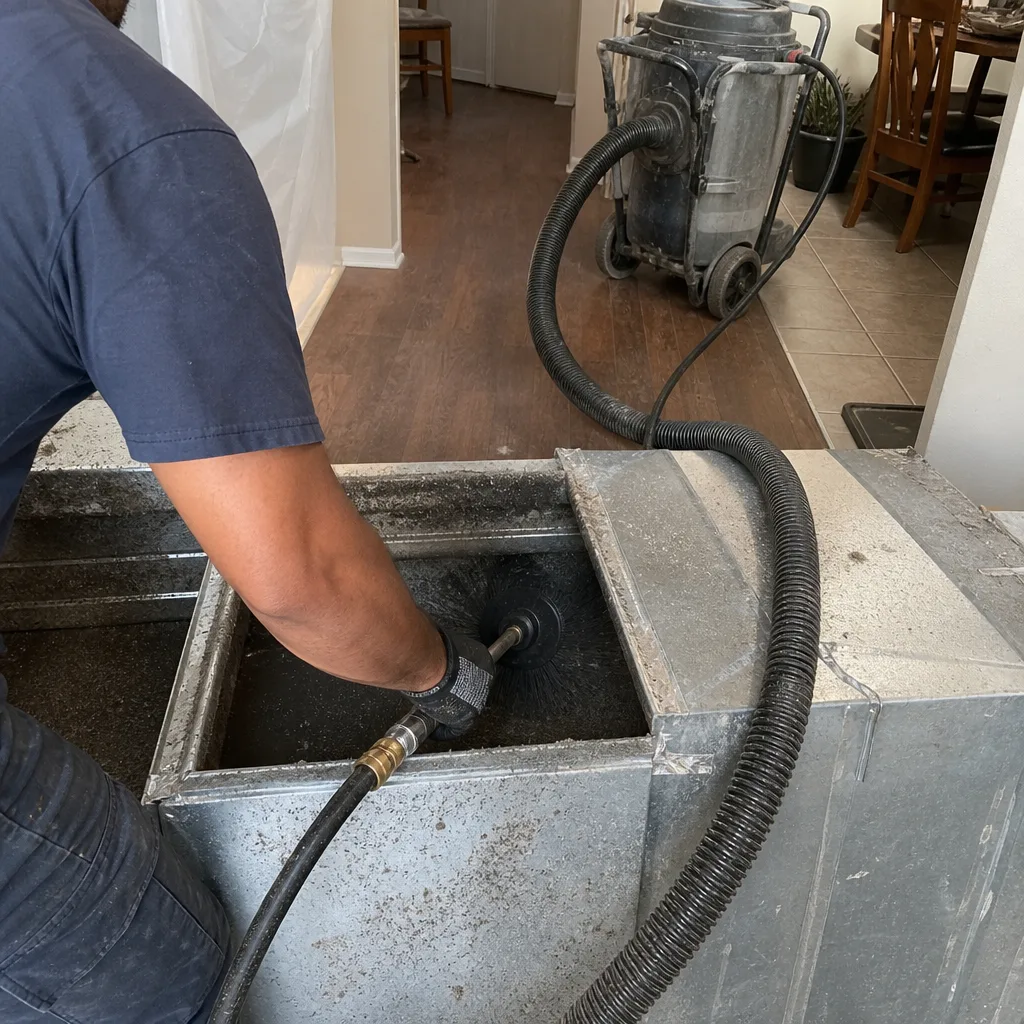
Last updated November 15, 2026
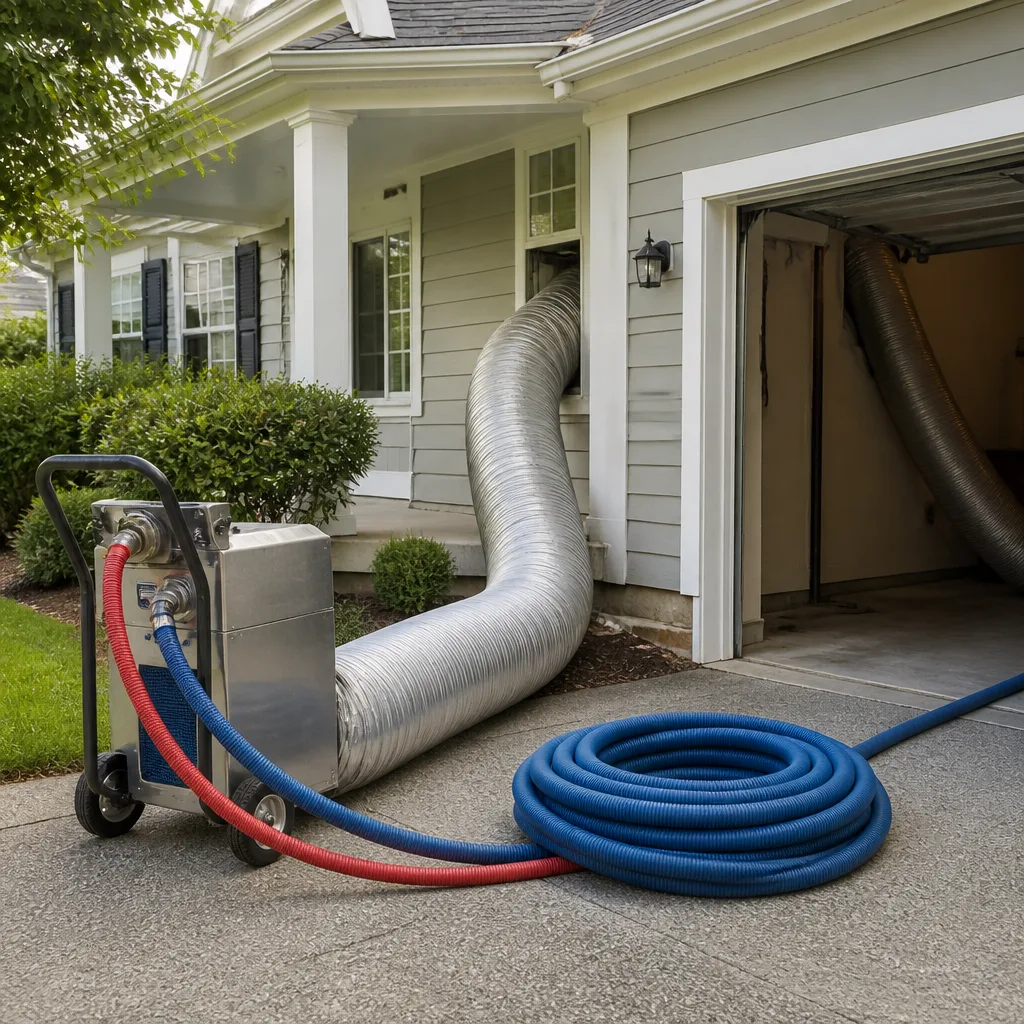 Whole-home duct cleaning
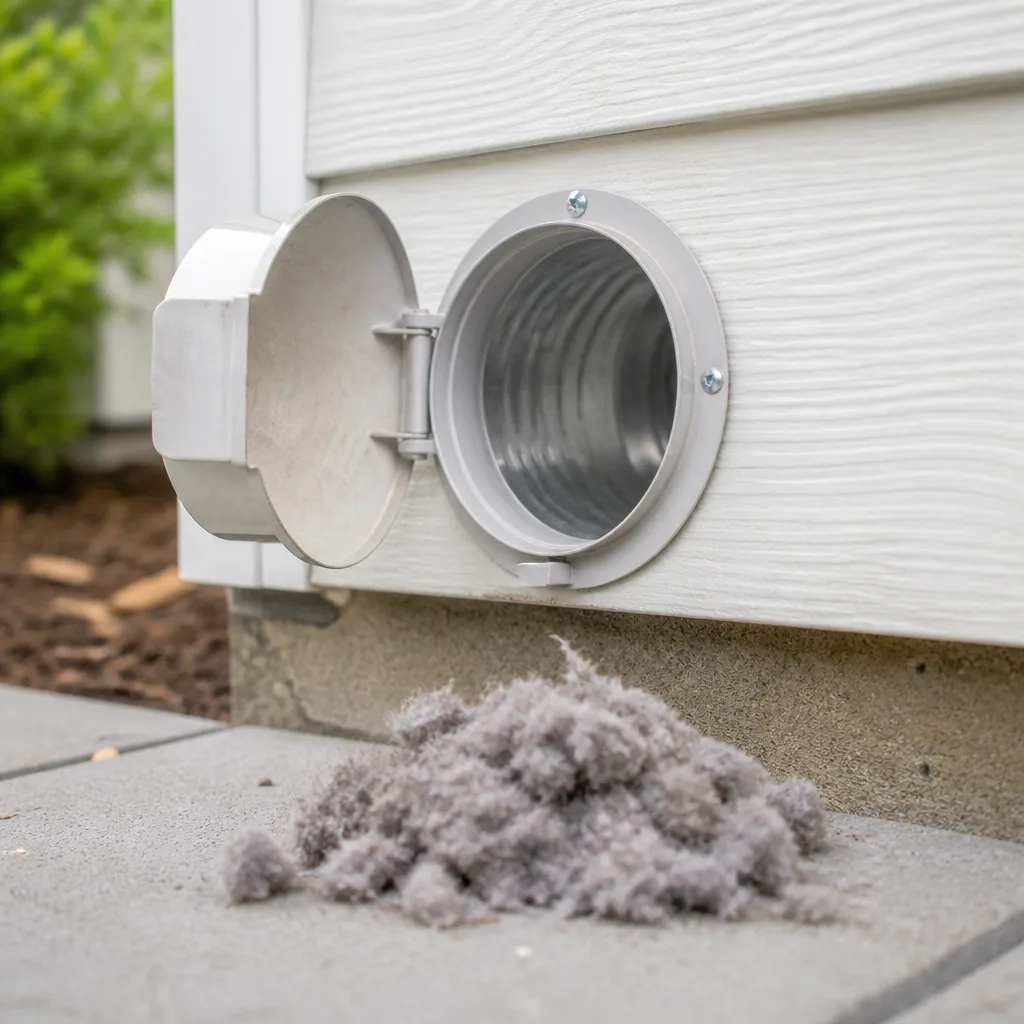 Dryer vent cleaning
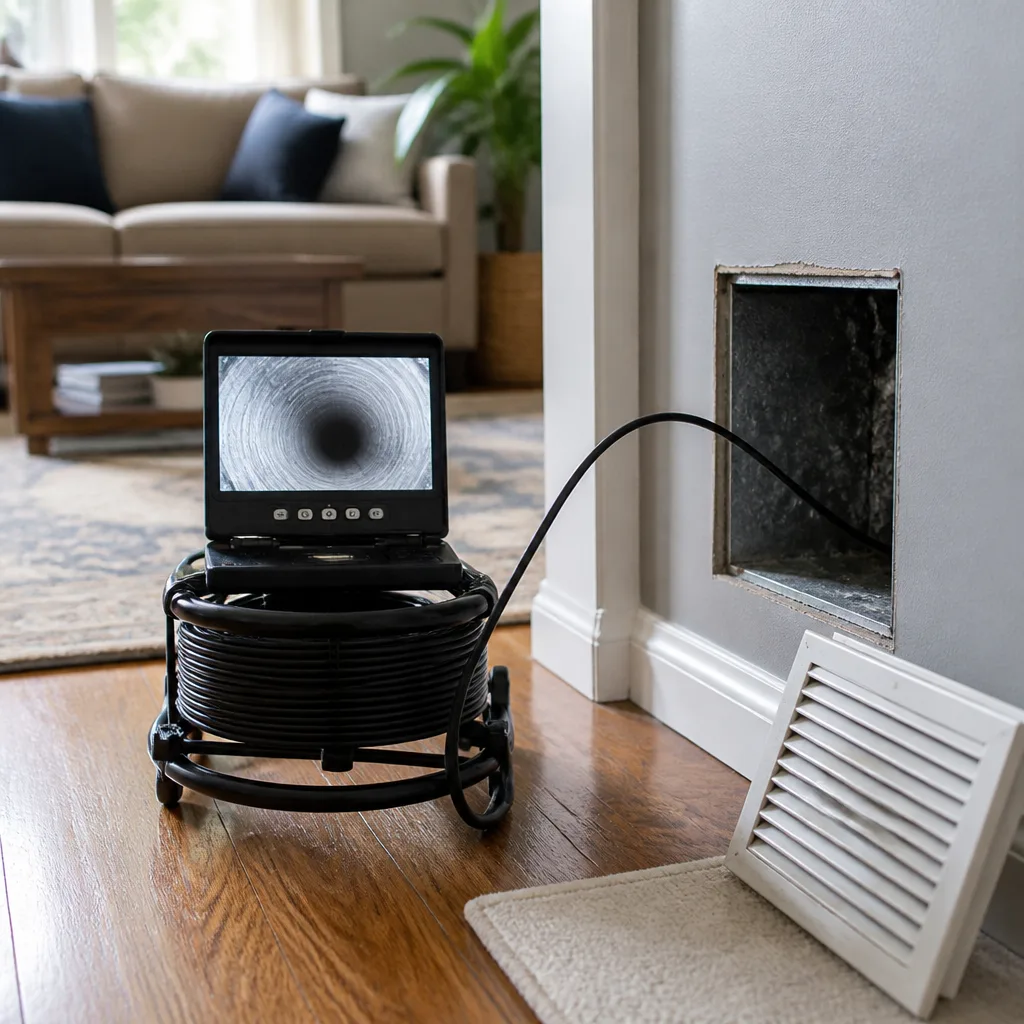 Camera inspection
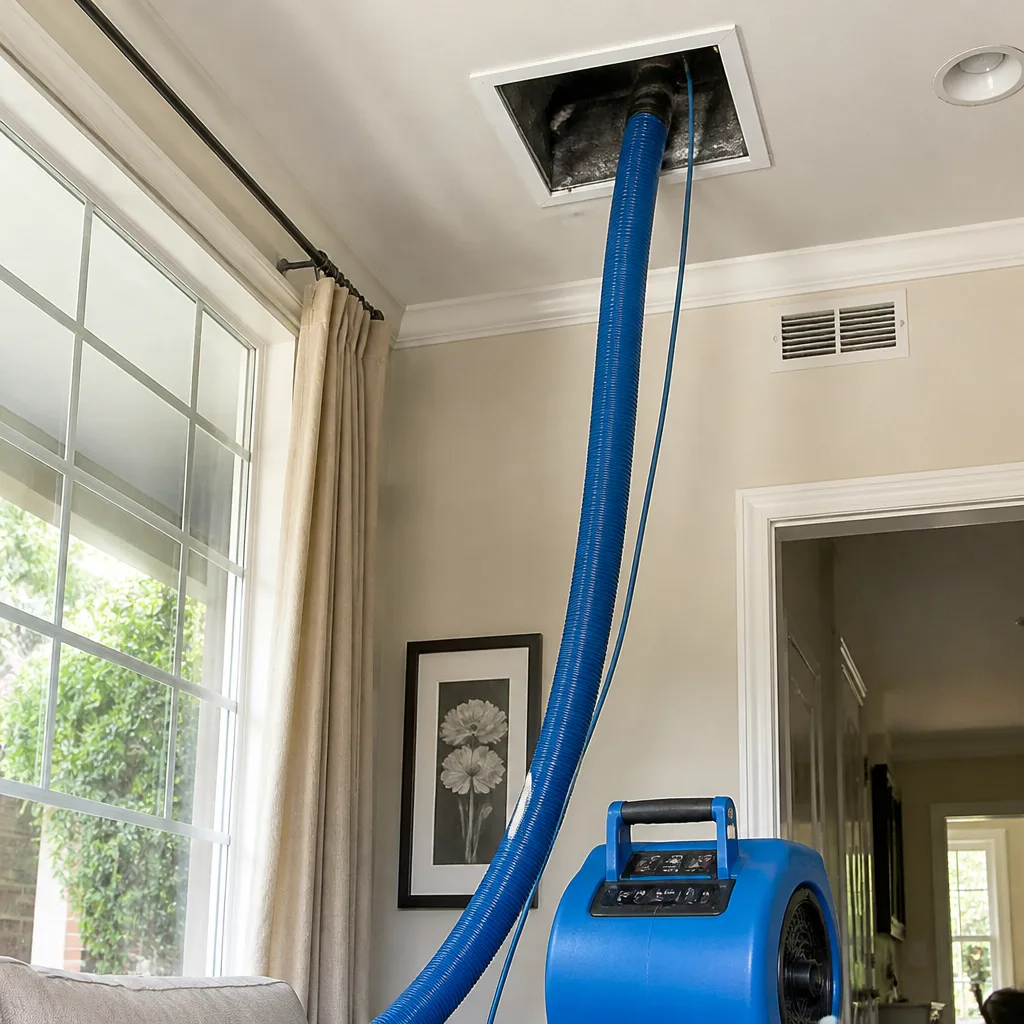 Sanitizing & deodorizing
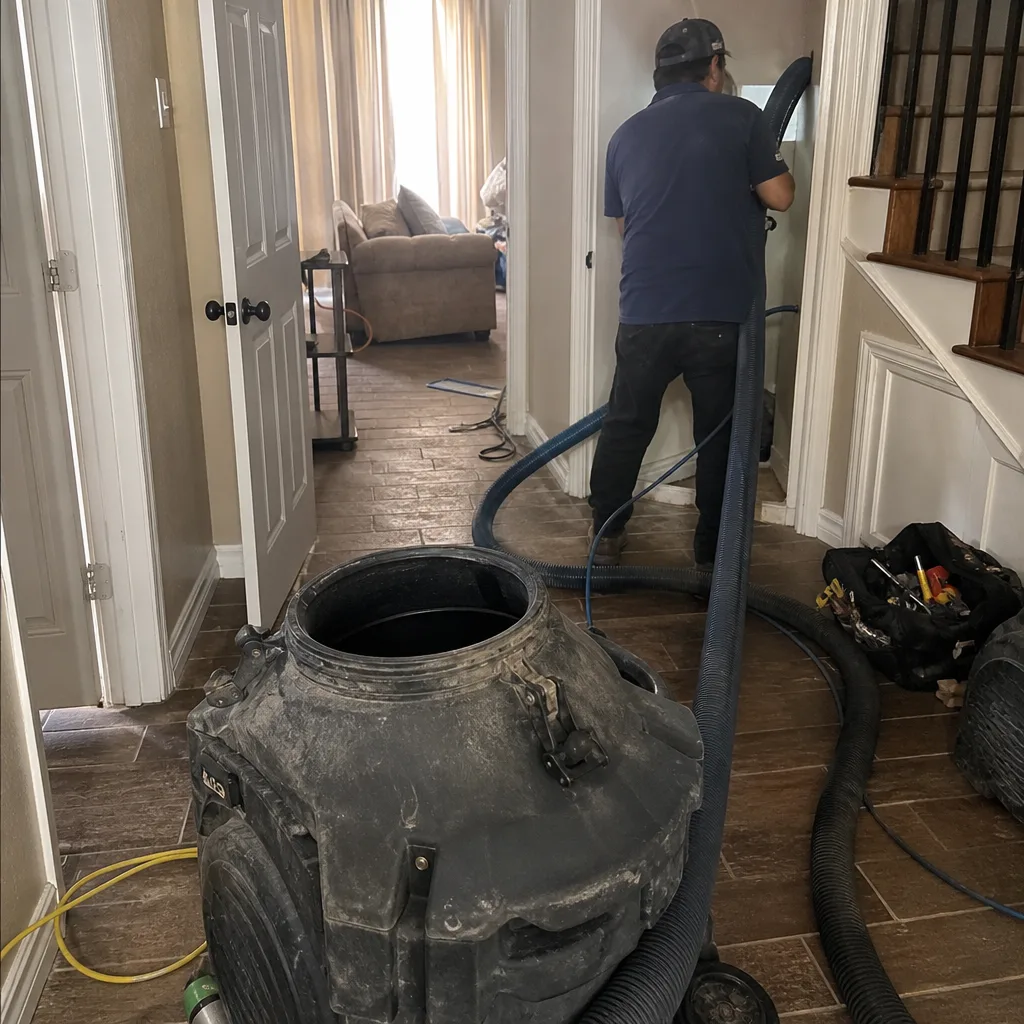
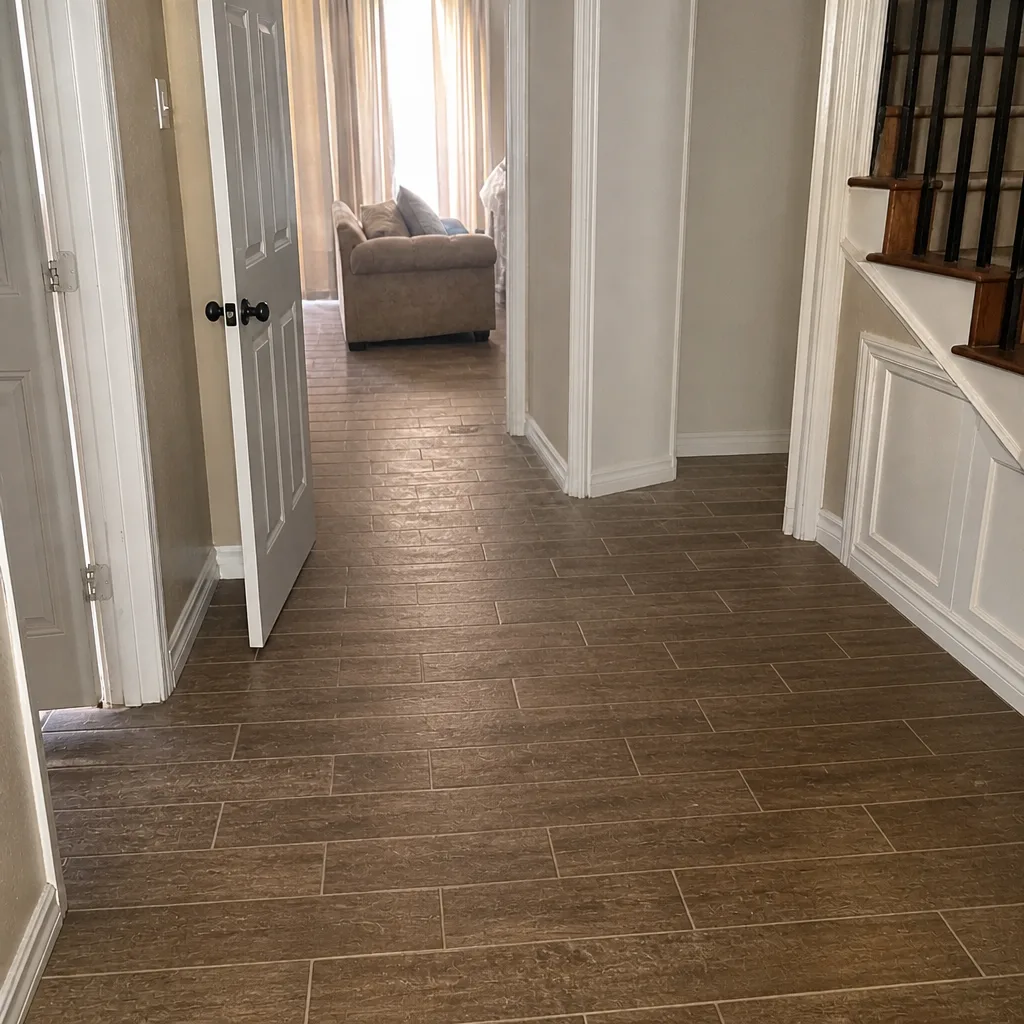
Whole-system duct and dryer vent check with before-and-after photos - you see exactly what came out of your vents
That "$99 whole-house special" is a bait ad - the real number appears once they are in your hallway, or the "clean" is a shop-vac at the register. We photograph the inside of your ducts before and after instead.
Air Duct Cleaning Troubleshooting in Garland: Common Problems and How to Fix Them
A musty smell after a duct cleaning isn’t proof the job worked. It’s often proof the opposite. When a technician disturbs settled contamination without holding the system under negative pressure, loosened debris drifts back through the supply runs and settles in the living space. The smell that follows is incomplete extraction, not the duct material. That single misunderstanding sits behind most of the frustration people in Garland bring to us: weak airflow blamed on dirty ducts, odors blamed on the house, and uneven rooms blamed on the thermostat. This guide maps symptoms to their actual mechanical causes so you can tell the difference before anyone touches your system.
Quick Answer
Most air duct problems in Garland fall into two buckets: airflow restriction and contamination. Airflow restriction comes from collapsed flex duct, blocked registers, or a disconnected run, and cleaning won’t fix it. Contamination shows up as odor or dust discharge and does call for mechanical cleaning with proper extraction. A persistent smell after a cleaning almost always means extraction was incomplete, not that the ducts need another pass.
Styles & brands we work with
- Whole-home duct cleaning
- Dryer vent cleaning
- Camera inspection
- Sanitizing & deodorizing
Table of Contents
- The Symptom-to-Cause Map: Start Here
- Airflow Restriction vs. Contamination Symptoms
- Why Your Ducts Still Smell After Cleaning
- Telling a Duct Breach Apart From a Dirty Duct
- The Garland Humidity Factor: Microbial Growth vs. Surface Dust
- The Troubleshooting Decision Tree
- Why Equipment Choice Changes the Diagnosis
- Common Mistakes to Avoid
The Symptom-to-Cause Map: Start Here
Before you call anyone, name the symptom precisely. “My ducts are dirty” is not a symptom. “The bedroom at the end of the hall never gets cold and the register there feels weak” is a symptom, and it points somewhere specific. The map below is how we sort calls in our heads before we ever see a house.
- Whole-house weak airflow, every register: usually a filter problem, a blower problem, or a main trunk issue. Not duct dirt.
- One room weak, others fine: a blocked register, a crushed flex run, or a damper closed somewhere upstream.
- Dust discharge from registers when the system starts: loose debris on duct walls, often from a filter that hasn’t been sealing properly.
- Musty or stale smell, strongest at startup: microbial growth on duct liner, or settled contamination in the return.
- Smell that got worse right after a cleaning: incomplete extraction. The agitation loosened material the vacuum never removed.
- Higher energy bills with no other change: restricted airflow forcing the system to run longer, or a leaky duct run dumping conditioned air into the attic.
Notice how few of these are actually “the ducts are dirty.” In Garland, we run across a lot of older single-story neighborhoods where the flex duct in the attic has been sitting above hot summer air for a long stretch, and a run that sags or kinks is far more common than genuinely filthy duct walls. Get the symptom right and the fix usually names itself.
Airflow Restriction vs. Contamination Symptoms
These two problems get confused constantly, and the treatments don’t overlap. Airflow restriction is a mechanical fault: something is physically in the way of air moving. Contamination is a hygiene problem: air moves fine, but it’s carrying particles or odor. A homeowner who calls for duct cleaning when the real issue is a collapsed flex run will pay for a cleaning and see no change, then wonder if the cleaning was fake.
Signs of airflow restriction
- Registers feel weak even with a clean filter and a healthy blower
- One or two rooms never reach temperature while others do
- The system runs long cycles, or the blower sounds strained
- A room is cold in the winter part of the year and hot in summer regardless of thermostat settings
- Rattling or whistling at a specific register, suggesting blockage behind it
Signs of contamination
- Visible dust puffing out of registers when the system kicks on
- A musty, stale, or “gym bag” odor strongest in the first minutes of operation
- Allergy-type irritation that improves when the system is off
- A gray film building on light switch plates and nearby surfaces
- Debris visible when you remove a register grille and look inside with a flashlight
One clue separates them cleanly: contamination tends to affect the whole house at once through dust and odor, while restriction usually targets specific rooms or the entire system’s pressure. A quick register-by-register airflow check with your hand is a fair DIY starting point. Confirming a crushed or disconnected run inside a hot Garland attic is not a DIY job, and it needs a technician who can look without guessing. Our air duct cleaning starts with that kind of inspection, not with the brush.
Why Your Ducts Still Smell After Cleaning
If your ducts smell musty after a cleaning, the most likely cause is incomplete extraction, not the duct material. Here’s the mechanism. Loosened contamination has to be captured while it’s airborne. When a technician agitates debris with brushes or air whips but doesn’t hold the system under negative pressure, that debris redeposits downstream, sometimes in the return, sometimes in a supply pan. Within days, the house smells worse than before the visit.
What actually resolves it is proper containment. We use Abatement Technologies equipment to hold negative pressure during service, so loosened material goes into a HEPA-filtered capture rather than into your living room. The agitation method matters too. Rotobrush brush systems make mechanical contact with duct walls, scouring debris loose so the extraction can pull it out, rather than relying on compressed air to knock dust into suspension and hoping the vacuum catches it.
What to look for in the first hour of service
- Ask what negative-pressure equipment the technician is using before any work begins.
- Ask what extraction machine is running. Nikro systems are built for this and can handle the volume a residential shop vac cannot.
- Watch whether registers are sealed with foam or tape during agitation. If they aren’t, debris is escaping into the room.
- Ask for before-and-after photos of your own ducts. A real job documents itself.
If a company can’t answer the first two questions clearly, the smell after the job is predictable. A good cleaning leaves a house that smells neutral, not worse.
Telling a Duct Breach Apart From a Dirty Duct
A duct breach is a hole, tear, or disconnected joint in the ductwork. A dirty duct is a contamination problem inside an intact duct. They can feel identical from the living room because both produce dust, uneven temperatures, and higher bills. The difference is that cleaning a dirty duct fixes it, and cleaning a breached duct does nothing.
Visual inspection at the register
Pull off a supply or return grille and shine a light down the run. A clean, intact duct shows smooth interior surfaces with minor dust film. Signs of a breach include torn flex liner visible from the register, a gap at a joint, or reflective foil hanging loose. If the flex run continues into the attic and the attic is hot, the visual check usually has to happen up there, which is why a professional inspection is often the practical path in Garland.
Pressure testing vs. visual inspection
Pressure testing measures whether the system is actually moving the air it should. A technician running a pressure test can spot a leak the register view never reveals, because a disconnected joint ten feet down a flex run looks fine from the grille. Visual inspection catches obvious tears; pressure testing catches the rest. In our experience, the two together are how you avoid treating a breach as a cleaning job.
This is why we offer air duct repair as a core service alongside cleaning. There’s no point in thoroughly cleaning a system that has a disconnected run dumping conditioned air into a hot attic. We repair what we find, and we frame the repair as the logical outcome of the inspection, not a surprise upsell once the brush is already running.
The Garland Humidity Factor: Microbial Growth vs. Surface Dust
Garland’s summers run humid, and that matters for how ducts actually fail. Surface dust is dry debris clinging to duct walls. Microbial growth is a different animal: it lives on duct liner, particularly in the return and in runs that see cool supply air meeting moist return air. Both look like “dirty ducts” from the register view, and they need different protocols.
Surface dust: what it looks like and how it’s treated
Surface dust accumulates slowly, tends to be dry, and responds well to mechanical agitation plus extraction. Brush contact breaks its grip on the wall, and a high-volume vacuum pulls it free. This is the standard cleaning case, and Rotobrush brush systems with Nikro extraction handle it cleanly.
Microbial growth: different beast
Microbial growth shows as dark staining, mottled patches, or a musty smell that’s stronger at the return and after the system has been off. It’s more common in duct liner and in flex runs that stay cool and damp during the humid months. Cleaning alone may not resolve it if the moisture source hasn’t changed. A technician needs to check whether there’s a condensation problem, an oversized system running short cycles that won’t dehumidify, or a return drawing moist air from an unconditioned space.
This is where pairing duct work with whole-home air quality equipment makes sense. Honeywell and Aprilaire systems are designed around filtration and humidity control, and adding one is sometimes the real fix once the ducts themselves are clean. Duct cleaning in Garland isn’t complete without considering what the climate does to the system between visits. If you’re also dealing with a dryer taking two cycles or a lint smell, our dryer vent cleaning addresses a separate but related airflow problem with its own fire-safety stakes.
The Troubleshooting Decision Tree
This is the working decision tree we’d walk a homeowner through on the phone. It’s not a substitute for a technician’s inspection, but it will point you at the right conversation before you call.
- Symptom: dust puffing from every register on startup.
Likely cause: loose debris on duct walls, often from a poor filter seal. DIY check: swap the filter and confirm it seats fully. If the dust returns in a week, call for Duct Cleaning Garland inspection and cleaning. - Symptom: smell strongest in the first minute after startup.
Likely cause: microbial growth or settled contamination in the return. DIY check: none safe. Call for inspection, mentioning the odor pattern. - Symptom: one room weak, whole house fine.
Likely cause: blocked register, closed damper, or crushed flex run. DIY check: remove the grille and look in. If the run disappears into the attic, call for a professional look. - Symptom: musty smell right after a cleaning.
Likely cause: incomplete extraction. DIY check: none. Call a different company and specifically ask about negative-pressure equipment. - Symptom: high bills with no other change.
Likely cause: a leaky or disconnected run or restricted airflow. DIY check: confirm the filter is clean. Otherwise call for a pressure test. - Symptom: lint smell or a dryer that takes two cycles.
Likely cause: clogged dryer vent, which is a fire-safety matter. DIY check: outer vent flap should move freely. Otherwise call and treat it as urgent.
We serve homes across Garland, and the pattern in most of these calls is the same: the homeowner has correctly identified that something is wrong and incorrectly guessed what. The decision tree is here to help you guess better.
Why Equipment Choice Changes the Diagnosis
You can’t troubleshoot what you can’t see. That’s the honest reason equipment matters here. A technician with a residential shop vac and a shop-grade brush can clean a duct; a technician with professional equipment can also tell you what they’re looking at, because the equipment creates the conditions for a real inspection. Negative pressure from Abatement Technologies equipment holds the system sealed during the work, so the technician can camera the runs and read them cleanly. High-volume extraction from Nikro systems pulls the debris out instead of redistributing it. Rotobrush brush systems make contact with the duct walls, so the “clean” is a mechanical clean, not a compressed-air guess.
That combination also changes the diagnosis in the field. A company using a shop vac can’t tell you whether the musty smell is coming from the return or from a damaged section of supply liner that’s been sitting damp. A company with proper extraction and containment can. And a company that also repairs ductwork can do something about the answer once it’s found. Our technicians have up to 13 years of experience, and the difference between a good and bad diagnosis usually comes down to how the equipment was set up before the brush ever touched the duct.
For a homeowner, the practical version of this is simple. Ask what equipment will be used before the technician starts. If the answer is “a really strong vacuum,” ask what negative-pressure equipment will be running. A company that can’t name it doesn’t use it.
Common Mistakes to Avoid
- Assuming cleaning fixes airflow. If the problem is a crushed flex run or a blocked register, cleaning does nothing and the bill goes to a real fix anyway. Diagnose first.
- Hiring on price alone. A low teaser price usually means a shop vac, no containment, and an upsell once the technician is inside. Price is not the signal here; equipment and containment are.
- Trusting a clean look at the register. A run ten feet into the attic can look fine at the grille and be disconnected at the joint. Pressure testing catches what the eye misses.
- Ignoring a musty smell as “just Garland humidity.” Humidity explains the moisture environment; it doesn’t excuse microbial growth on duct liner that needs cleaning and possibly a humidity fix upstream.
- Skipping the filter seat check. A filter that doesn’t seal properly lets unfiltered air bypass into the return. No cleaning resolves that until the filter frame is corrected.
- Treating a slow dryer as normal. If the dryer takes two cycles and the vent flap sticks, that’s a vent clog. We treat dryer vent cleaning as the fire-safety service it is, not a convenience add-on, and it belongs on the inspection list alongside the ducts.
- Calling back the same company when the smell got worse. A smell that appears right after a cleaning points at the method. A proper re-service from a company with containment resolves it; another round with the same shop vac won’t.
See the difference
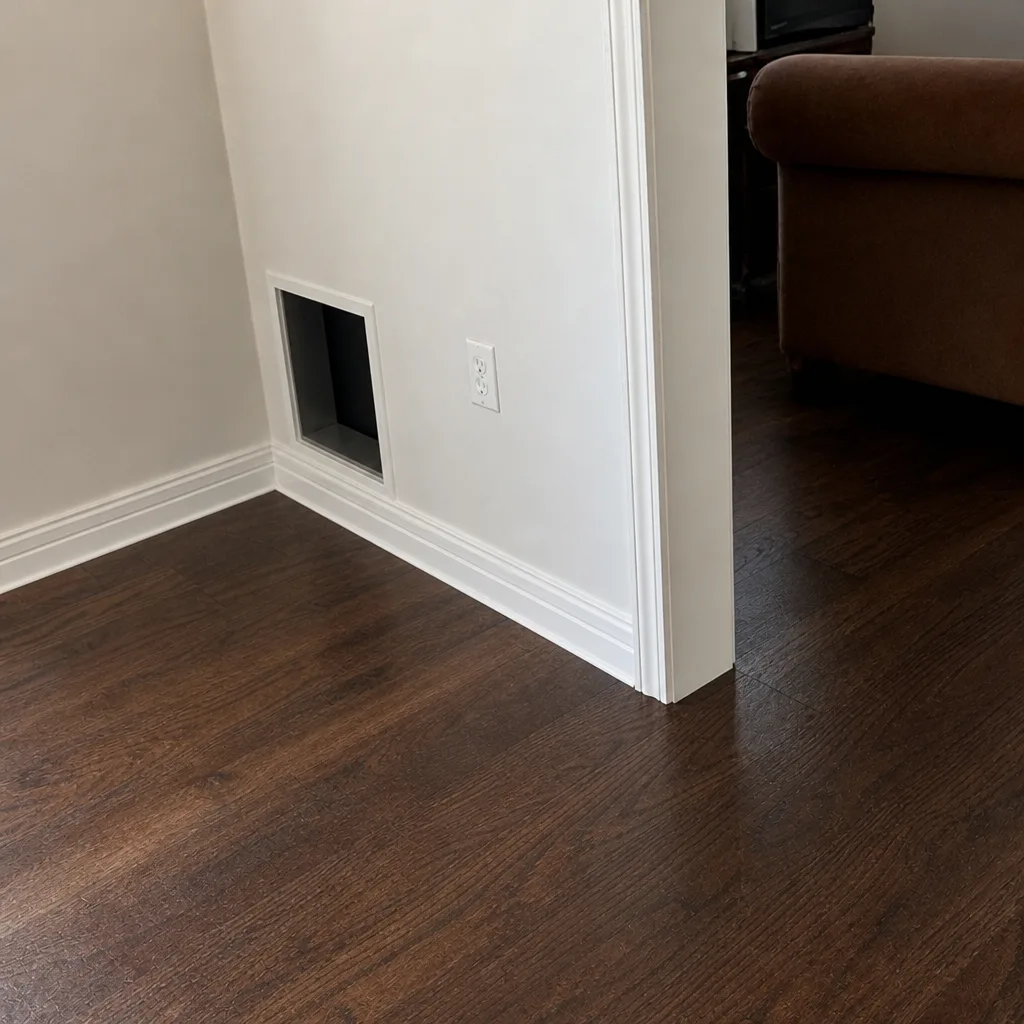
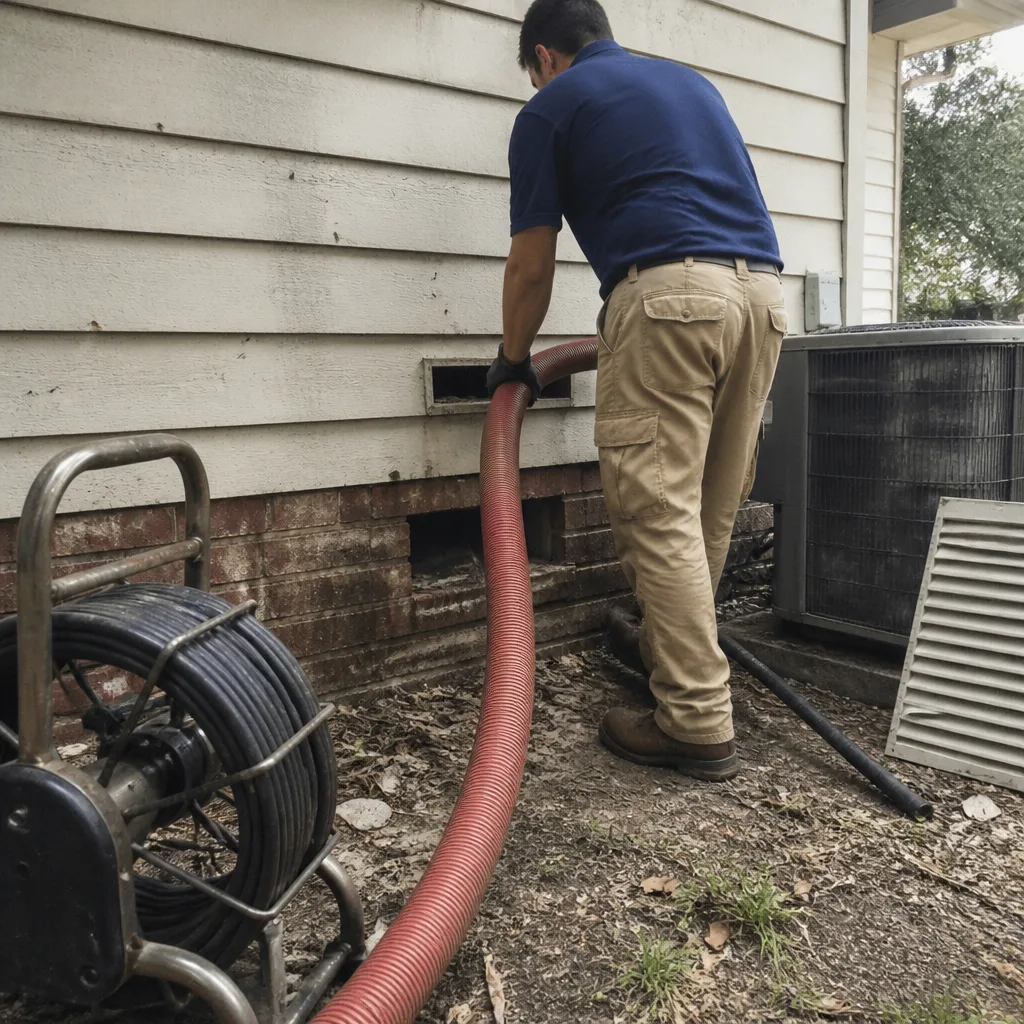 Before
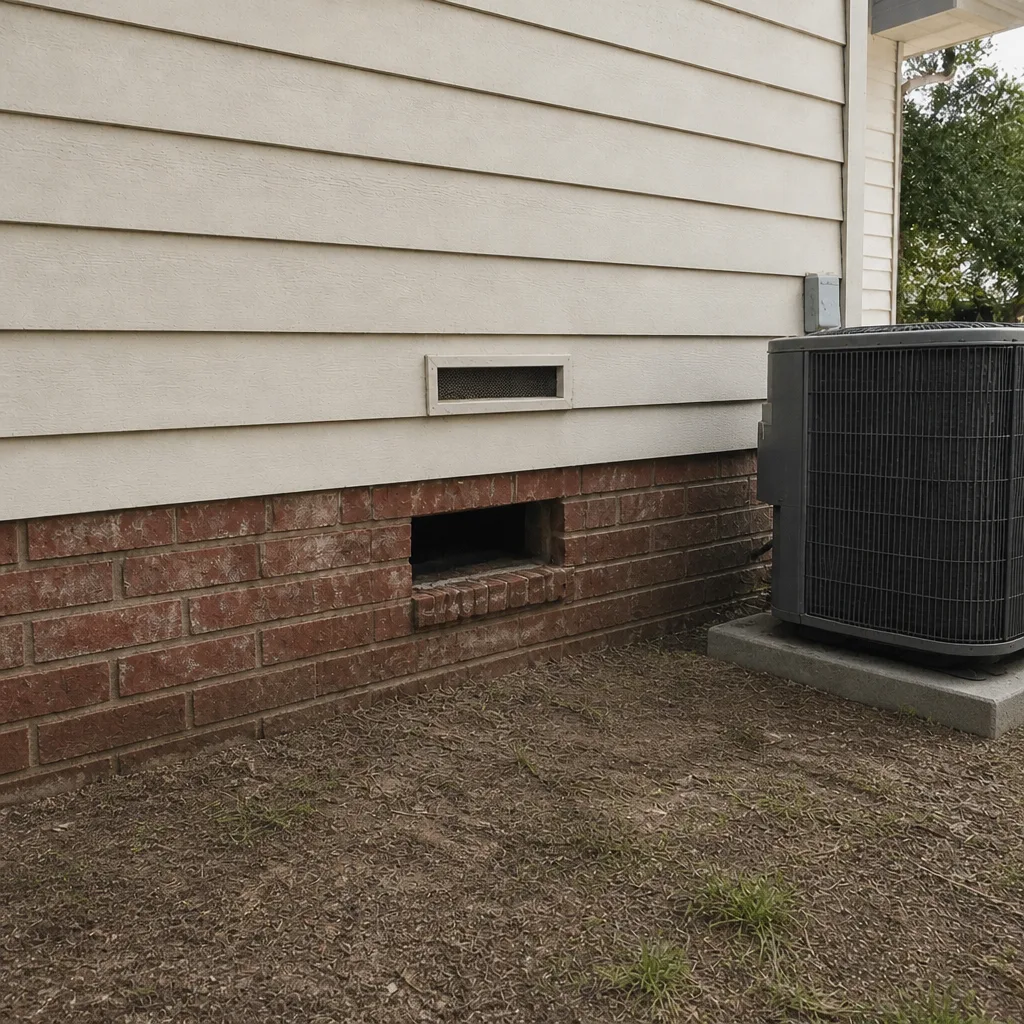 After
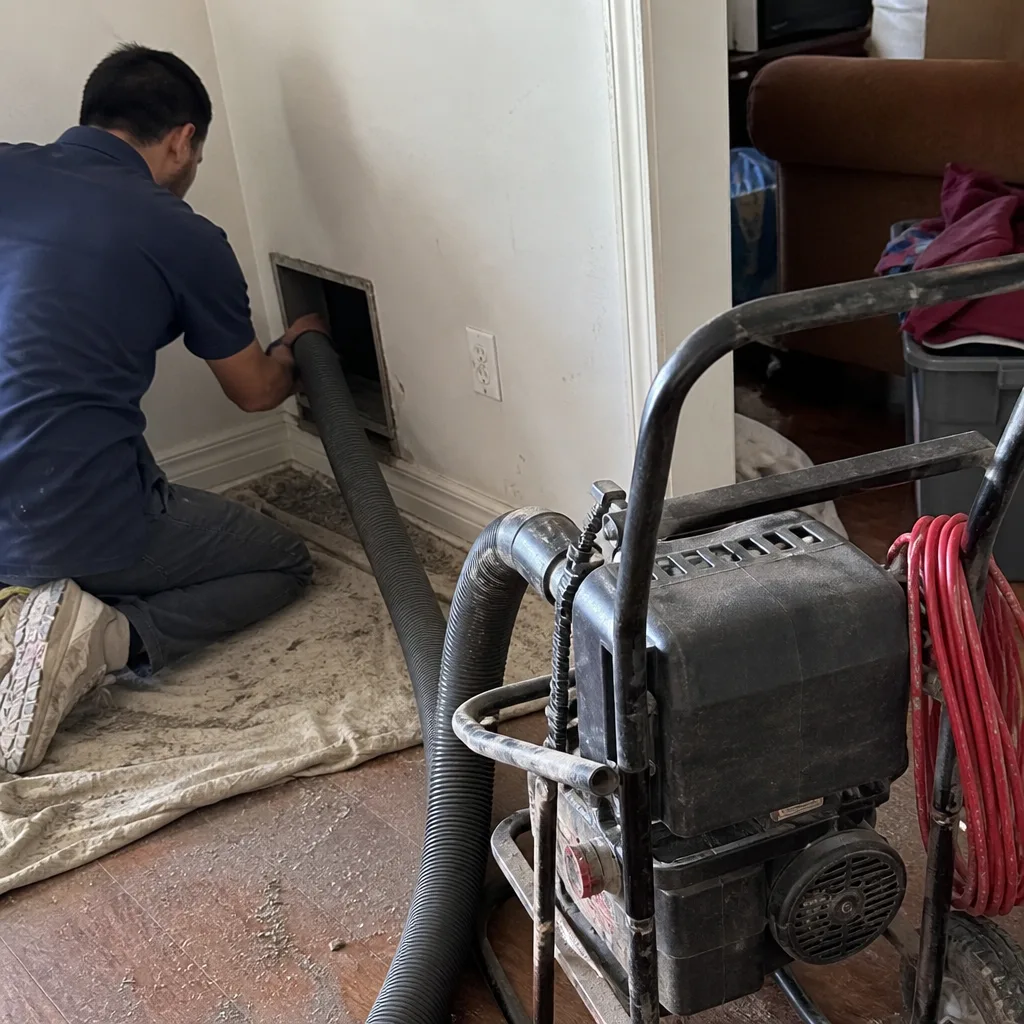 Before
 After
 Before
 After
When to Call a Professional
Call us when the symptom is one you can’t diagnose safely. Musty odor after cleaning, dust that returns within a week of a filter change, a single room that never reaches temperature, a pressure drop you can’t explain, or a dryer vent that’s choking the machine all fit that description. The attic in a Garland summer is not a place for a homeowner to be crawling flex runs, and a system under suspicion deserves a proper pressure test rather than a guess. Duct Cleaning Garland offers free estimates in Garland, so the diagnosis is on us. Call (888) 430-9938. We answer 24/7. Fast dispatch from 7am to 7pm, Sunday through Friday.
Frequently Asked Questions
A musty smell after cleaning almost always means incomplete extraction. The technician agitated settled contamination into suspension but didn’t hold the system under negative pressure, so debris redeposited downstream. The fix is a proper re-service with containment gear like Abatement Technologies equipment, not another round of compressed air. Call (888) 430-9938 for an exact quote; estimates are free.
We set one flat price per system by written estimate before work starts, with no per-vent charges. What drives the number is system size and configuration: how many returns, whether there are attic flex runs, whether a repair is needed, and whether microbial growth calls for a different protocol. The written estimate is the final price. Call (888) 430-9938 for a free estimate.
Cheap quotes usually reflect cheaper equipment: a residential shop vac instead of a Nikro extraction system, no containment gear, and no repair capability if a duct is found breached. The call gets cheaper but the outcome usually doesn’t. The low price is a teaser for an upsell once the technician is inside. Ask what equipment and what containment they’ll use before you book. Call (888) 430-9938 for a fair comparison quote.
Get before-and-after photos of your own ducts, not stock images. Ask what negative-pressure gear was running and whether the registers were sealed during agitation. A real job leaves you with photos, an intact system, and neutral air. Anything less needs a conversation. Call (888) 430-9938 for a free estimate with documentation.
Not always. Garland’s humid summers encourage microbial growth on duct liner, but the smell can also come from an oversized system running short cycles that won’t dehumidify, or from a return drawing moist air from an unconditioned space. Cleaning fixes the duct side; the humidity source sometimes needs its own fix, which is where Honeywell or Aprilaire filtration and humidity equipment can come in. Call (888) 430-9938 and describe the smell pattern; estimates are free.
The honest answer is: not on a fixed clock. Ducts need cleaning when the symptoms point at contamination (dust discharge, odor, visible debris) or when work has been done that likely introduced debris. Instead of a calendar number, watch for the signs in this guide and act when they show up. If you’re seeing them in your Garland home, call (888) 430-9938 for a free estimate.
The Bottom Line
Most duct “problems” split into airflow restriction and contamination, and they need different fixes. Odor right after cleaning points at the method, not the duct material, and negative-pressure containment is the difference. A breach in the ductwork behaves like a cleaning problem until a pressure test proves otherwise, which is why inspection comes first. Garland’s humid climate makes microbial growth a real possibility and calls for a protocol the average shop vac can’t deliver. Use the decision tree, watch the symptoms, and don’t pay for a cleaning that a diagnosis hasn’t earned.
Call (888) 430-9938 for a free estimate. We answer 24/7. Fast dispatch from 7am to 7pm, Sunday through Friday.
Written by the team at Duct Cleaning Garland.