
Last updated November 15, 2026
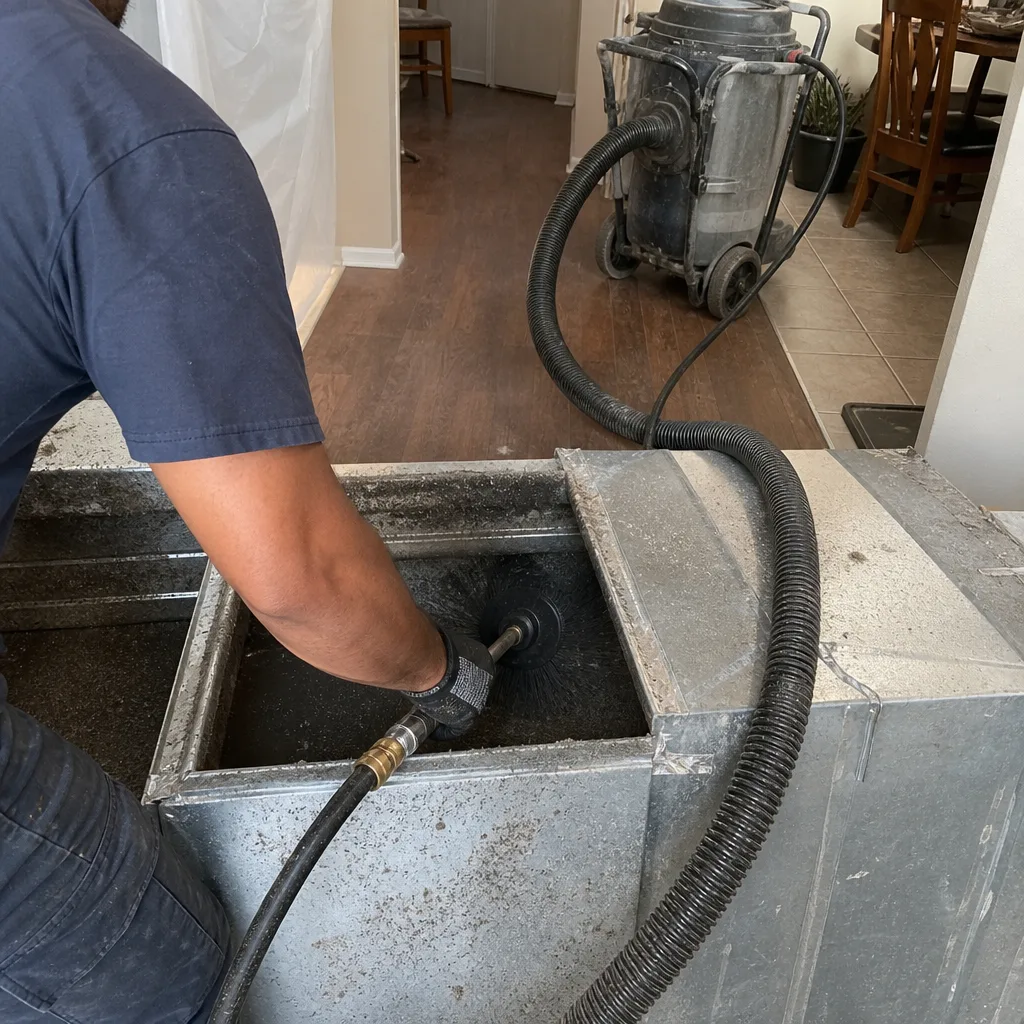
 Whole-home duct cleaning
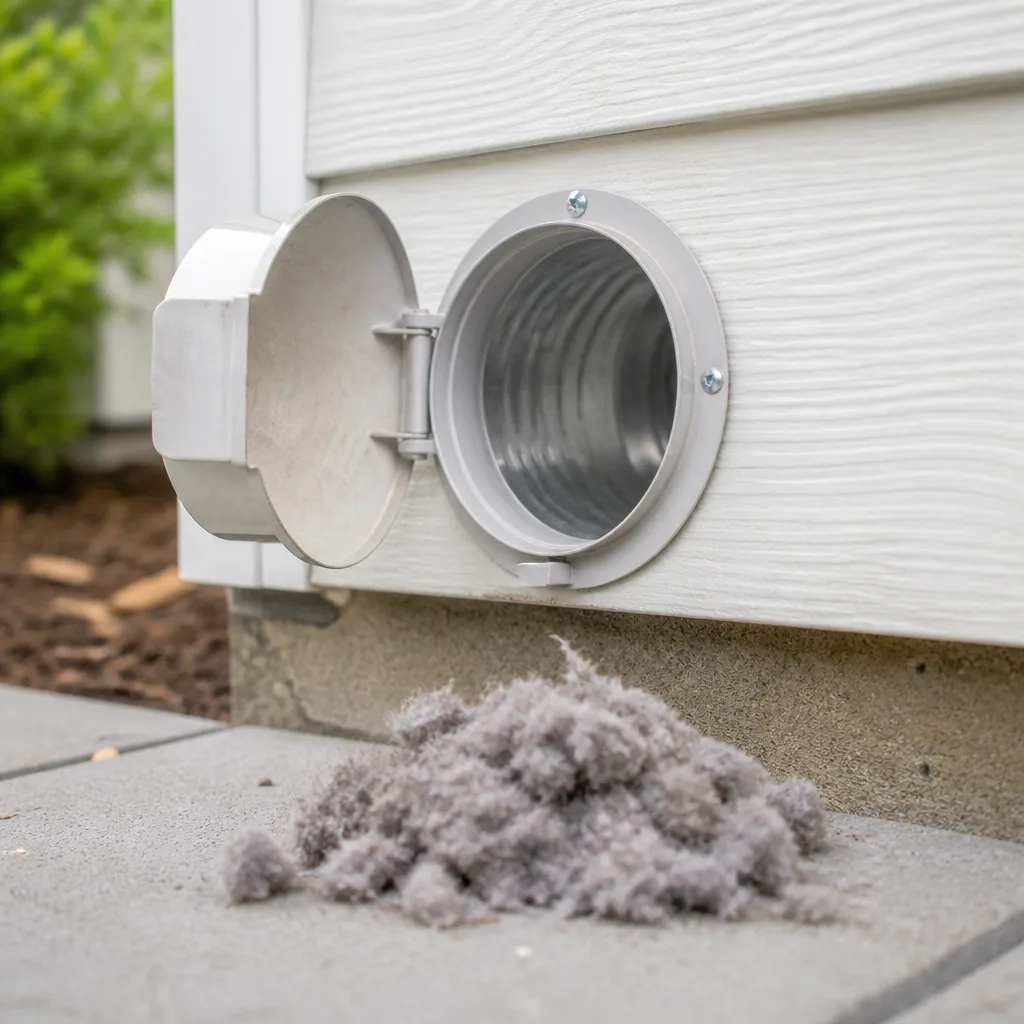 Dryer vent cleaning
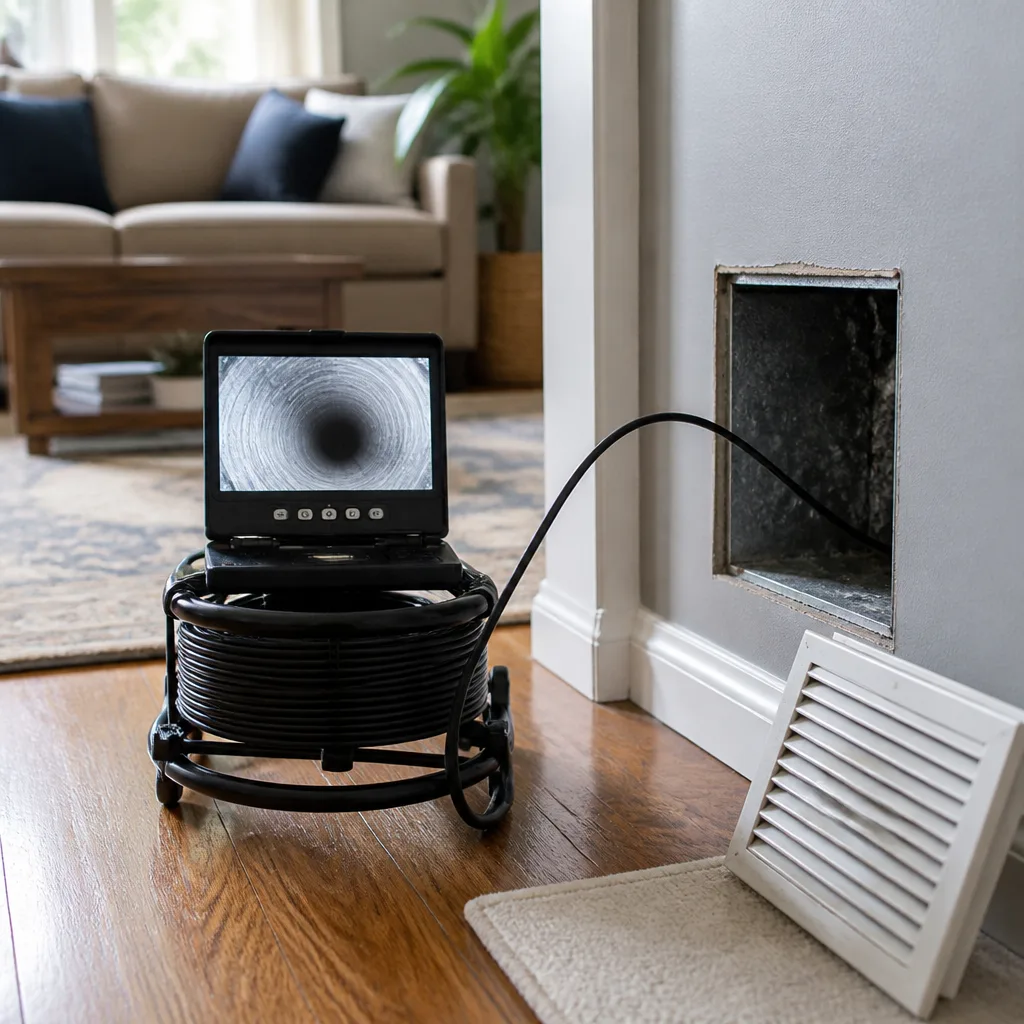 Camera inspection
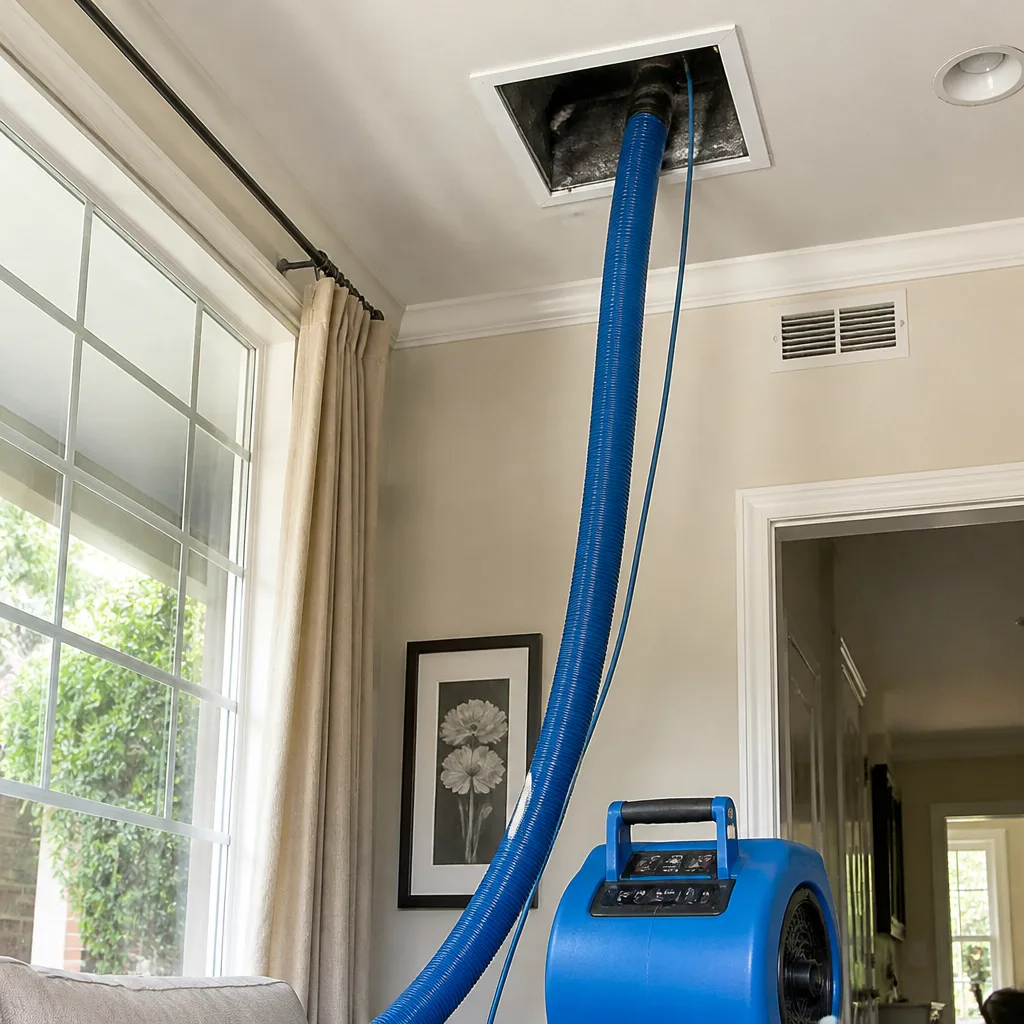 Sanitizing & deodorizing
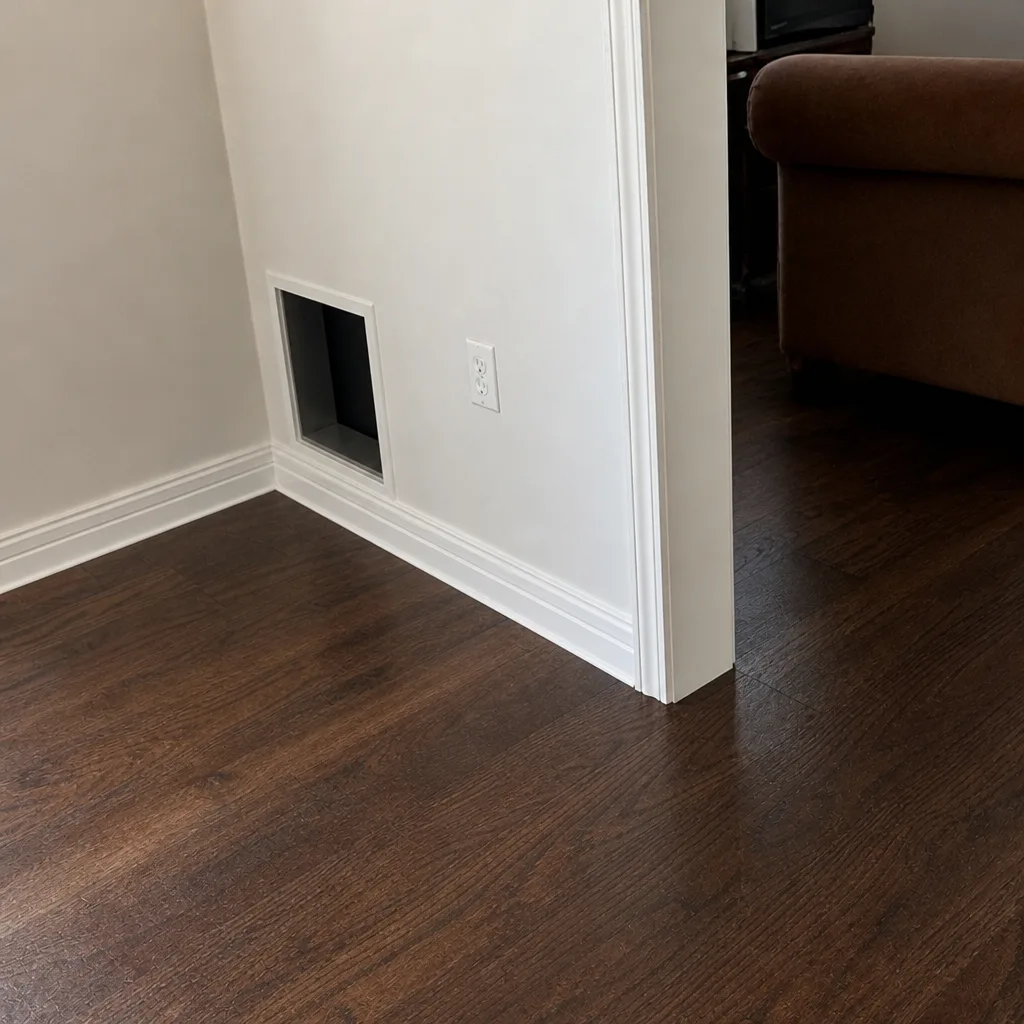
Whole-system duct and dryer vent check with before-and-after photos - you see exactly what came out of your vents
That "$99 whole-house special" is a bait ad - the real number appears once they are in your hallway, or the "clean" is a shop-vac at the register. We photograph the inside of your ducts before and after instead.
Air Duct Cleaning Warning Signs: A Garland Homeowner’s Reference Guide
The dust you can see on your supply registers is the last warning sign, not the first. By the time debris builds up visibly at the grille, the interior walls of your ductwork have been collecting and recirculating that load for months, often through several cooling seasons. Most warning-sign checklists stop at “look for dust” and “notice musty smells,” which gives a Garland homeowner nothing to act on. This guide takes the ambiguous symptom and turns it into something observable: a specific condition, a threshold, and a clear answer on whether it calls for a professional inspection or a quick check you can do yourself.
Quick Answer
The warning signs that actually justify professional air duct cleaning in Garland are filter loading that accelerates month over month, a musty or burning odor that persists after the filter is changed, visible debris shedding past the register (not just settled dust on the grille), and airflow that drops noticeably from the same vents you’ve always relied on. Visible dust alone, or a single dusty register, rarely means the ducts need cleaning. A pattern that repeats and gets worse across weeks does.
Styles & brands we work with
- Whole-home duct cleaning
- Dryer vent cleaning
- Camera inspection
- Sanitizing & deodorizing
Table of Contents
- Register Dust vs. Active Debris Shedding: The Test
- Filter Loading Rate: The Earliest Warning Sign
- Odor Differentiation: Three Smells, Three Causes
- Airflow and Static Pressure Symptoms You Can Observe
- Post-Renovation and Post-Infestation: Get a Camera Inspection First
- The Dryer Vent Sign Nobody Checks
- Common Mistakes to Avoid
- When to Call a Professional
Register Dust vs. Active Debris Shedding: The Test
Every supply register collects some dust. That’s normal and it’s not a reason to have your ducts cleaned. The distinction that matters is between settled dust sitting on the grille and debris that is actively being pushed out of the system while it runs. The first is a housekeeping issue; the second is a sign the duct interior walls are loading.
Here’s a simple test you can run without equipment. Clean one supply register thoroughly with a damp cloth until the grille is dry and streak-free. Note the date. Don’t clean that register again. Check it at the end of the first week, then again at the end of the second and third.
- Light, even film at three weeks is normal settling. Clean the grille and move on.
- Visible gray or brown buildup within one week, especially at the edges where airflow is strongest, points to debris shedding from the duct wall behind it. That warrants an inspection.
- Visible dust returning to the register face within 24 to 48 hours, or visible flecks on nearby walls and shelves that weren’t there before, is a strong indicator that the system is carrying a load and re-depositing it into the room.
- Any dust that looks fibrous, stringy or distinctly different from ordinary household dust should prompt a call, not a cleaning challenge. That texture often points to degraded duct liner or a filtering problem worth diagnosing.
In Garland, the summer cooling season runs long and the system runs hard into October. Any shedding you see in August is the product of a whole season of pulling air through the same ductwork. That’s why we treat a fast-returning register in this climate as a stronger signal than the same finding in a milder market. The test costs nothing and it tells you more than any single walked-through inspection of the grilles.
Filter Loading Rate: The Earliest Warning Sign
Your air filter is a diagnostic tool whether you think of it that way or not. How fast it loads up tells you how much particulate the system is pulling in, and how much of it is being captured before it reaches your blower and evaporator coil. The rate of loading is more useful than the filter’s appearance on any single day.
Start keeping track. Write the installation date on the edge of every filter with a marker. When you change it, check what it looked like and when you’re replacing it.
- Normal loading: a standard filter visibly gray but still structurally sound at the manufacturer’s recommended interval. You change it on schedule, not early.
- Abnormal loading: the filter is completely gray, loaded corner to corner, and slightly matted before the recommended interval has passed. You’re changing it early, or you notice it’s losing airflow to the point that rooms feel stuffy.
- What drives it in Garland: the combination of seasonal pollen from our tree-lined neighborhoods, dust from new construction and remodeling, and high summer runtimes all load a filter faster than in a shorter cooling season. A filter that behaves normally in a milder market can load early here. If your rate gets consistent and fast, filter loading is a leading indicator that your ducts are holding debris tributary to your filter – and cleaning pulls that load out and restores normal loading.
A faster loading filter after cleaning is not a step backward; it means the filter isn’t fighting the duct. If you’re going through filters at an interval that seems wildly short and the register test above shows fast re-deposition, that’s the pair of signals that actually justifies a call. A single dirty filter is not.
Odor Differentiation: Three Smells, Three Causes
Smell is where most homeowner queries lose the plot. “Musty” and “burning” and “chemical” get used interchangeably, and they’re three different diagnoses pointing in three different directions. A trained technician treats them separately; you can too.
Musty odor
A musty, damp, wet-basement smell when the system first kicks on is a moisture signal. In Garland’s humid spring and fall, condensation on cooling coils and in the lining of duct supply lines, combined with debris that holds moisture, is the usual setup. Musty odor raises the possibility of biological growth inside insulated ducts or on the coil. This is not something to cover with a spray-bomb product; it points to a real moisture problem that cleaning plus a drain-pan and humidity review can address. If the musty smell persists after a filter change and after the air handler’s drain pan has been checked, an inspection is warranted.
Dusty, burning or “hot dust” odor
A dry, hot dust smell that appears briefly on startup at the beginning of the heating season is often just settled dust burning off the heat exchanger. That’s typically benign and clears in a few days. What is not benign: a dusty burning smell that appears while the system runs well into the season, or a smell that has a metallic or scorched quality. That can indicate a heat exchanger condition and should be evaluated by a licensed HVAC technician before any cleaning decision, because cleaning ducts does not fix a combustion problem.
Chemical odor
A sharp, faintly sweet or plastic smell, often strongest in a home that’s warmer than usual, can point to off-gassing from degraded duct liner or the adhesives holding insulated ductwork together. Liner degradation is a real concern because old interior insulation can shed fibers into the airstream. A chemical smell should be treated as a diagnostic question, not a cleaning request. A camera inspection identifies liner condition long before a cleaning can be recommended.
In our experience, odor is the single warning sign that gets self-misdiagnosed the most. If you can smell it consistently at the return, not just near the register, treat it as a reason to get an inspection rather than a reason to buy a cleaning.
Airflow and Static Pressure Symptoms You Can Observe
Duct restriction – a blockage caused by debris, a partially closed damper, a collapsed flex run or a disconnected joint – shows up in the house before it shows up on a gauge. You can observe the effects without any instruments if you know what to watch. “Static pressure” is the technical term for the resistance the blower has to push against, and it’s exactly the thing that rises when ducts are clogged or disconnected.
- Room-by-room difference. Run the fan and hold a tissue up to each supply grille in turn. A room that once moved a tissue briskly but now barely flutters, or a room that blows noticeably weaker than a nearby room, is a sign of a restricted or wrongly sized branch run.
- The “same setting” complaint. You’ve always run the thermostat at the same setpoint. You can name the year you set it. Now the house doesn’t hit that setpoint by mid-afternoon. If the filter’s clean and the thermostat’s right, the system is fighting excess static pressure.
- Blower strain. On a system you know, the blower pitch and sound is a neighbor. A higher or strained pitch means the blower is working against an obstruction it didn’t build itself for.
- Uneven cooling upstairs. In the two-story Garland homes that dominate neighborhoods like Camelot, the upstairs is the first place a restricted run announces itself.
These are symptoms, not proof. A weak register can also be a closed damper, an undersized flex run, or a failed blower. That’s why we pair a camera inspection with the cleaning – because a duct run that’s still restricted after cleaning needs the same attention a run full of debris does, and we repair what we find, sealing disconnected joints and breached sections rather than cleaning a system that will simply lose its air into an attic or a wall cavity again.
Post-Renovation and Post-Infestation: Get a Camera Inspection First
The two situations that flood a duct system with debris faster than anything else are a renovation and a pest infestation, and both have a trap: the visible problem is almost never the whole problem. Drywall dust settles everywhere, but the real concern after a remodel is whether the contractor capped the registers before sanding. If they didn’t, drywall dust reaches the coil, and in some cases a fine dust film can scorch onto the heat exchanger. A pest infestation leaves more than droppings – nesting material, debris, and the possibility of a breached or disconnected section that let the pests in to begin with.
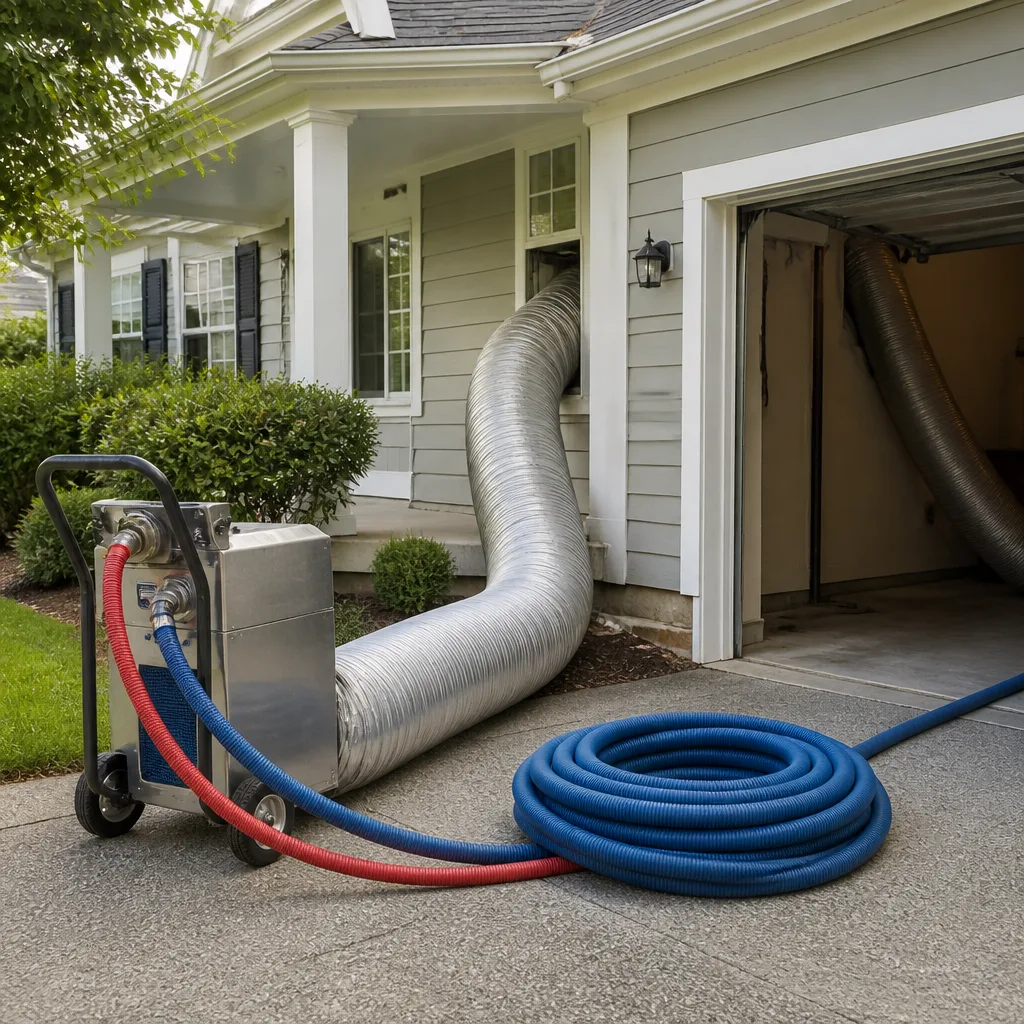
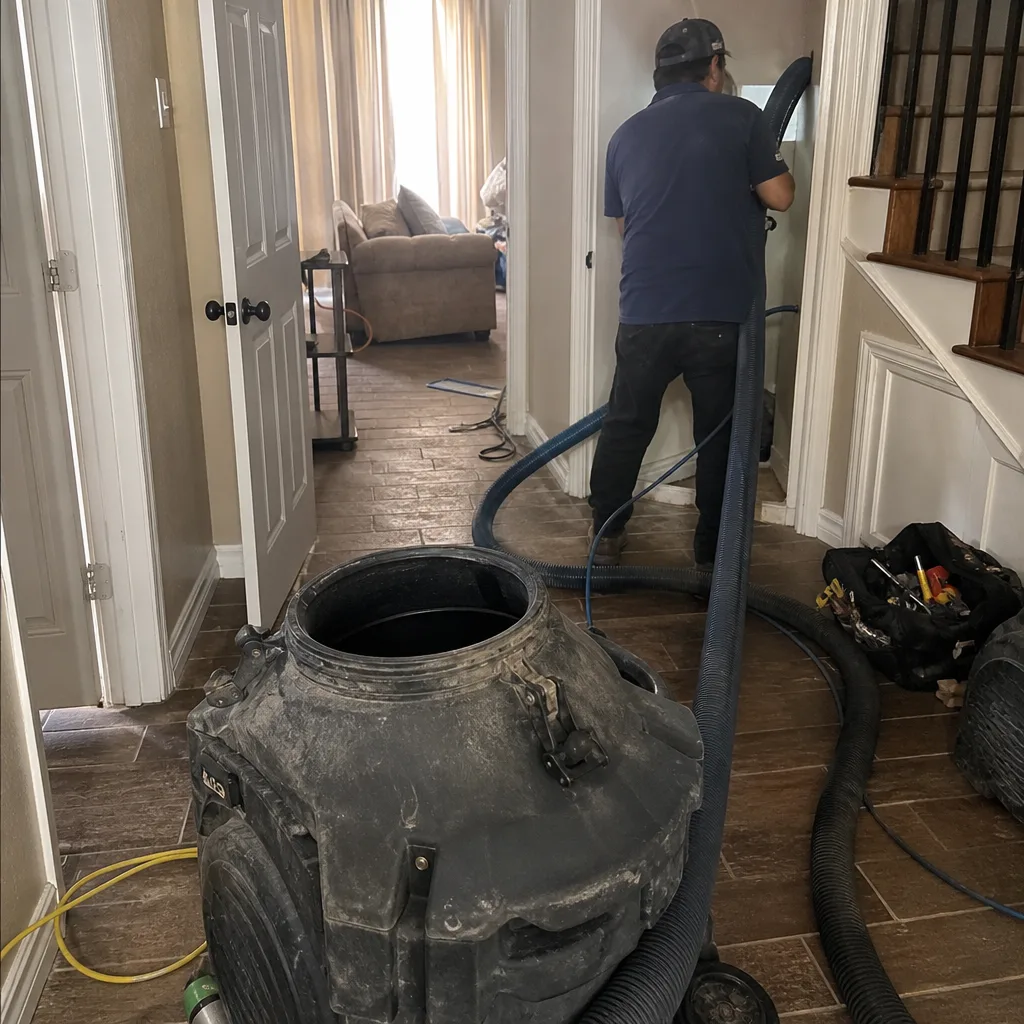
Neither situation should be answered with a cleaning quote over the phone. Both require a camera inspection first, because the decision you’re making is “clean, or repair, or both.” We use Abatement Technologies containment equipment to hold negative pressure during service, which keeps loosened contaminants from recirculating into living spaces – and on a post-renovation or post-infestation job that step is not optional, it’s the difference between the debris leaving the house and the debris being pushed into the air you breathe. A camera inspection that finds a breached run behind a cabinet or in the attic floor tells you what the cleaning actually needs to accomplish before anyone quotes a price.
If you’ve had a remodel, an addition, or an attic or crawlspace pest problem in the last 12 months, book an inspection, not a cleaning. Those are different visits, and in Garland’s attics it’s the only way to know what’s on the other side of the register boot.
The Dryer Vent Sign Nobody Checks
There’s a duct in your house that isn’t part of your HVAC system and has the highest stakes of any of them. A dryer taking two cycles to finish a load, a dryer that comes out hot to the touch, a lint trap that fills completely in a single load, or a warm, humid laundry room after the dryer runs, are all signs of a restricted dryer vent. Lint is combustible. A blocked dryer vent is a fire-safety condition, not a convenience problem, and it’s one of the leading causes of residential structure fires. This isn’t an upsell; it’s a life-safety service.
Most Garland homeowners have never had their dryer vent inspected, because it’s the duct no one thinks about. If you can’t remember the last time it was cleared, that’s your answer. Dryer vent cleaning is a scheduled, contained job and one we treat as seriously as any duct work in the house.
Common Mistakes to Avoid
- Booking a cleaning off a single dusty register. A dusty grille is late-stage evidence. Before you buy a cleaning, run the three-week register test. That tells you whether the system is shedding or the house is just dusty.
- Choosing a quote without asking what equipment will be used. If the answer is a backpack vacuum and a compressed-air blowout, you’re paying for surface agitation. Ask specifically about brush-system contact cleaning and professional extraction. The equipment is the job.
- Deciding a chemical or burning smell is a cleaning problem. Heat-exchange symptoms and liner off-gassing need diagnostics first. Cleaning ducts before the source is identified can hide a safety issue, not fix it.
- Skipping the camera inspection after a renovation or pest problem. Drywall dust and nesting material don’t exit through the same weak vacuum that limited the visible cleanup. A camera inspection before a quote is the difference between a real fix and a recurring problem.
- Treating dryer vent cleaning as optional. A dryer taking two cycles, a hot exterior, or a lint trap that fills in one load are fire-safety warnings. This is the one warning sign with the highest stakes and the lowest effort to address.
- Hiring a crew that can’t repair what it finds. A cleaning that finds a disconnected joint and leaves it disconnected is a cleaning wasted. Ask before booking whether repair is part of the service.
- Trusting the smell test to a single visit. Odor that returns after a filter change and a cleaning is worth a second look, especially during Garland’s humid season.
When to Call a Professional
Call a professional when you have a pattern, not a single data point. That means a register test that shows visible debris returning within a week, filter loading that has accelerated month over month even though you’re changing on schedule, a musty or chemical odor that persists after a filter change, any burning smell during the heating season, a room that’s lost airflow compared with the rooms around it, a renovation or pest issue in the last year, or a dryer vent you can’t remember clearing. Each of those is a reason to book an inspection and a written estimate, not to buy a coupon cleaning.
The equipment matters here, and it’s the first thing we talk about. We deploy Rotobrush brush-system technology for genuine mechanical contact cleaning of the duct walls, paired with Nikro professional extraction for full-system removal rather than recirculation. Cleaning is one of three things we do alongside air duct repair, and we pair the service with Honeywell and Aprilaire filtration components where a whole-home filtration or humidity issue needs to be solved along with the ducts. Duct Cleaning Garland offers free estimates in Garland. Call (888) 430-9938. We answer 24/7. Fast dispatch from 7am to 7pm, Sunday through Friday.
See the difference
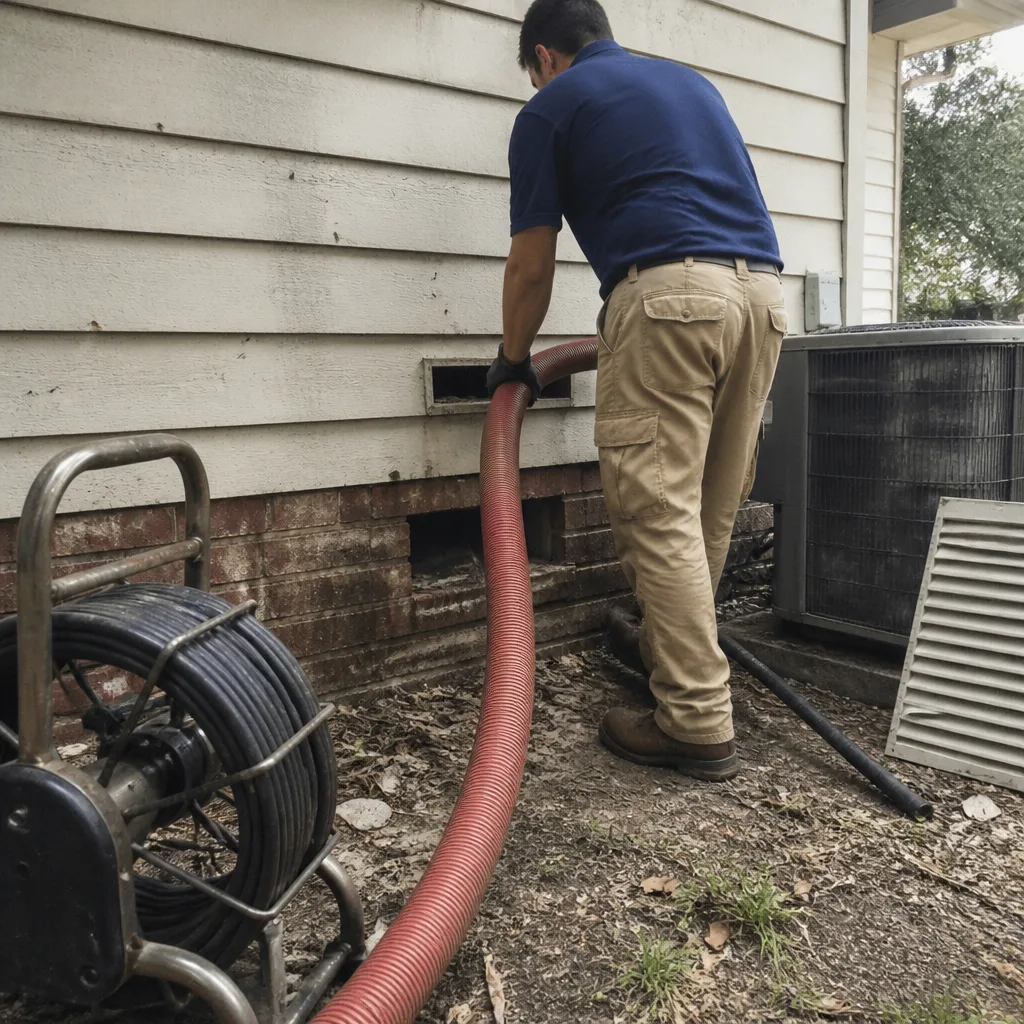 Before
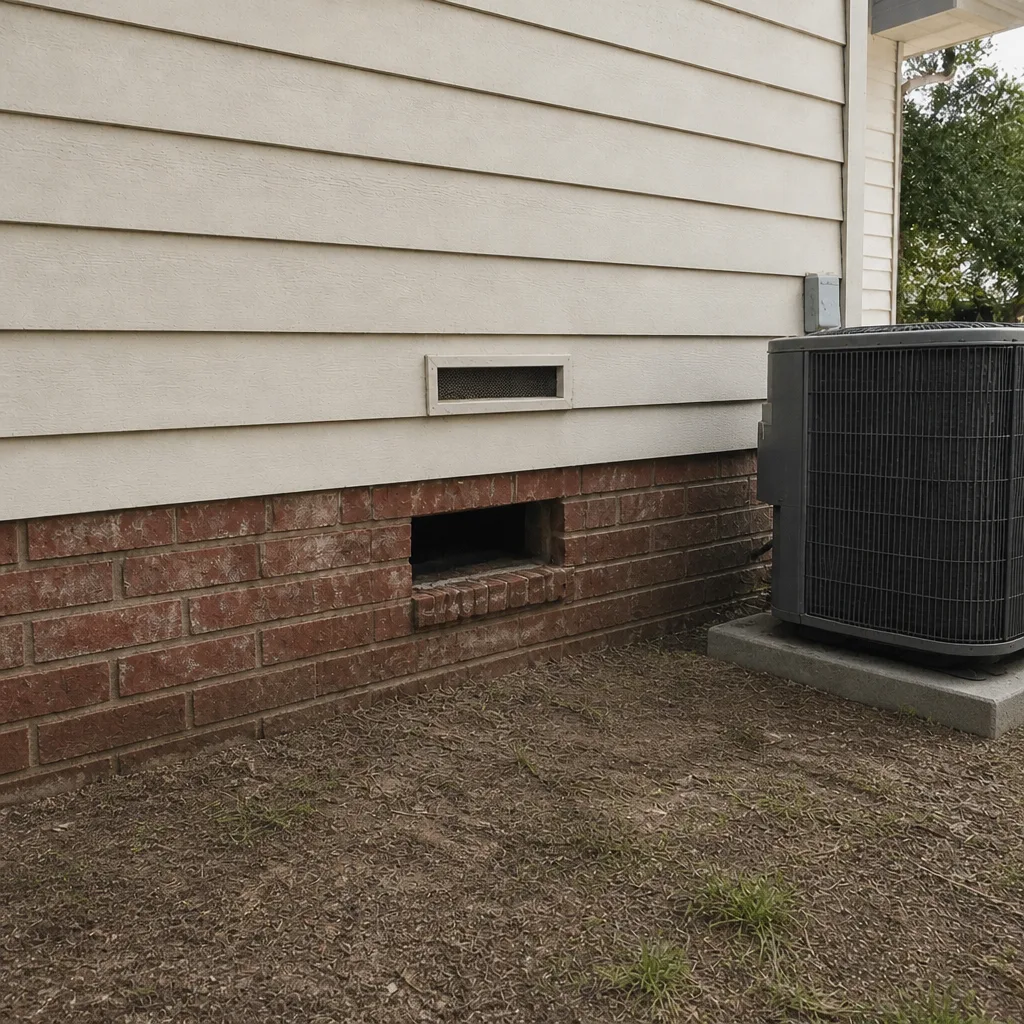 After
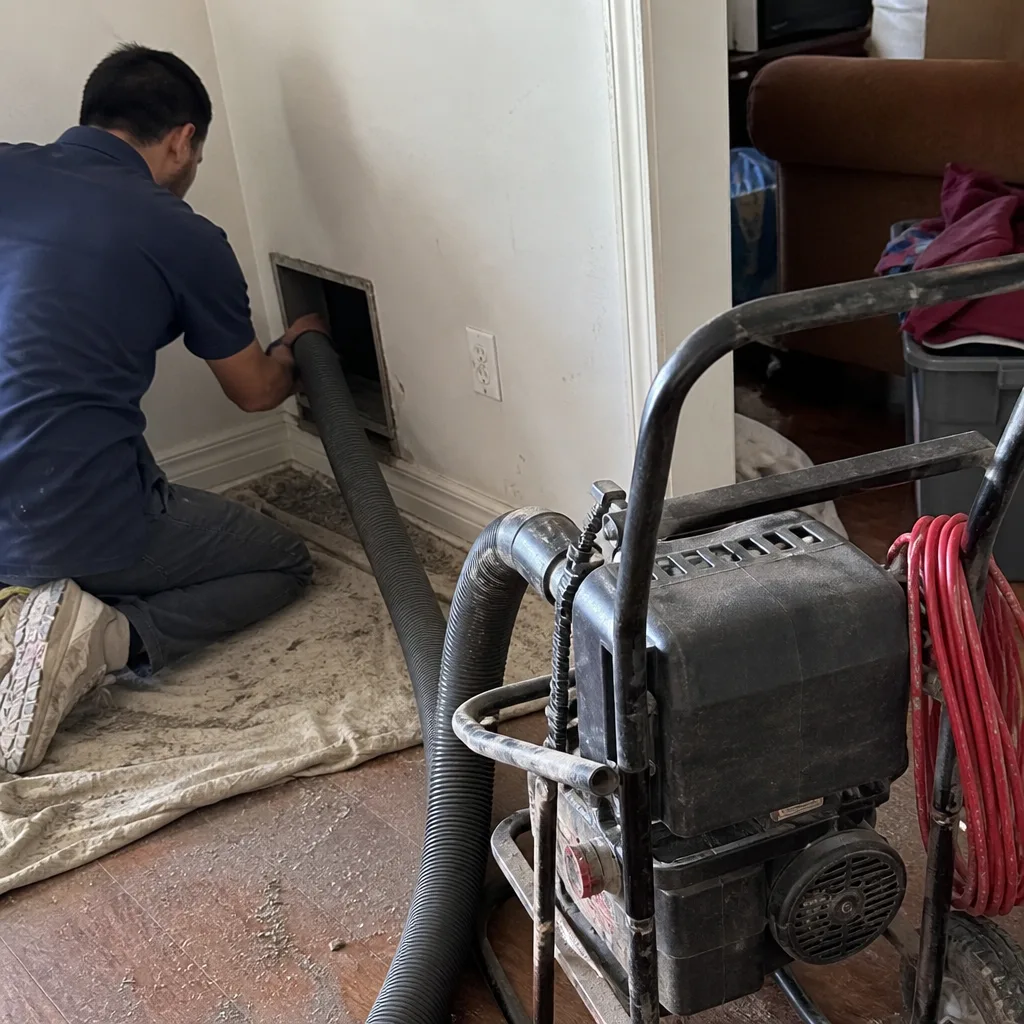 Before
 After
 Before
 After
Frequently Asked Questions
The most reliable signs are a filter that loads abnormally fast, consistent debris shedding past the register within a week of cleaning it, a musty or chemical odor that persists after a filter change, and a measurable drop in airflow to specific rooms. Visible dust alone is not reliable evidence. If you’re seeing several of these together, call (888) 430-9938 for a free estimate and we’ll inspect it.
Clean one supply register completely, note the date, and watch it over three weeks. Light, even film at three weeks is normal. Visible gray or brown buildup within one week at the grille edges is active shedding and warrants an inspection. Visible dust on the register face within 24 to 48 hours, or dust on nearby walls, is a strong indication the duct interior is carrying a load.
Not on its own, but it’s one of the earliest warning signs. Fast, consistent filter loading means the filter is catching particulates that would otherwise reach your duct walls and blower. If the loading rate has accelerated and you’re changing filters well ahead of schedule, pair that with the register test and book an inspection.
Musty odor in a Garland home during the long cooling season is usually a moisture signal. Condensation on a cooled duct run or drain pan, combined with debris that holds moisture, creates the conditions for biological growth and a persistent smell. A filter change won’t fix it; a coil and drain-pan inspection plus a duct inspection will tell you whether cleaning or repair is the answer. Call (888) 430-9938 to book a free estimate.
Not without a camera inspection first. Drywall dust after a remodel and nesting material after a pest problem both require knowing whether the system has any breached, disconnected or liner-damaged sections before a cleaning is scoped. Pair the inspection with a containment setup like our Abatement Technologies negative-pressure equipment so loosened debris stays out of living spaces.
A dryer that takes two cycles to finish a load, a dryer that feels hot to the touch on its exterior, a lint trap that fills completely in a single cycle, or a humid laundry room after the dryer runs are the reliable signals of a restricted vent. Lint in a vent is combustible – dryer vent cleaning is a fire-safety service, not a convenience. If you can’t remember the last time it was cleared, that’s your answer. Dryer vent cleaning is on our service list – call (888) 430-9938 to schedule.
What equipment should I expect a duct cleaning crew to use in Garland?
You should expect brush-system contact cleaning (Rotobrush is the name an informed homeowner should hear), professional extraction equipment for full-system removal rather than a shop vacuum, and negative-pressure containment so loosened debris doesn’t spread. We use Nikro professional extraction and Abatement Technologies containment. If a quoted job relies on compressed-air blowout alone, that’s surface agitation, not cleaning. Call (888) 430-9938 for a free estimate and an equipment answer up front.
The Bottom Line
Warning signs are only useful if they’re specific enough to act on. The register test tells you whether the system is shedding or the house is just dusty. Filter loading rate tells you whether the system is pulling in more than it can handle. Odor tells you whether you have a moisture problem, a heat-exchange problem, or a liner problem, and those call for diagnostics first, not cleaning. Post-renovation and post-pest situations need a camera inspection before anyone quotes a clean. Dryer vent restrictions are a safety condition, not an upgrade. If more than one of these is present in your Garland home, book an inspection and get a written estimate. For more depth on the service itself, see our air duct cleaning page, and for the specific vent service see dryer vent cleaning. Duct Cleaning Garland also offers Garland-area service and repair. Call (888) 430-9938. We answer 24/7. Fast dispatch from 7am to 7pm, Sunday through Friday. Estimates are free and the price is set per job by the written estimate.
Written by the team at Duct Cleaning Garland.