
Last updated November 15, 2026
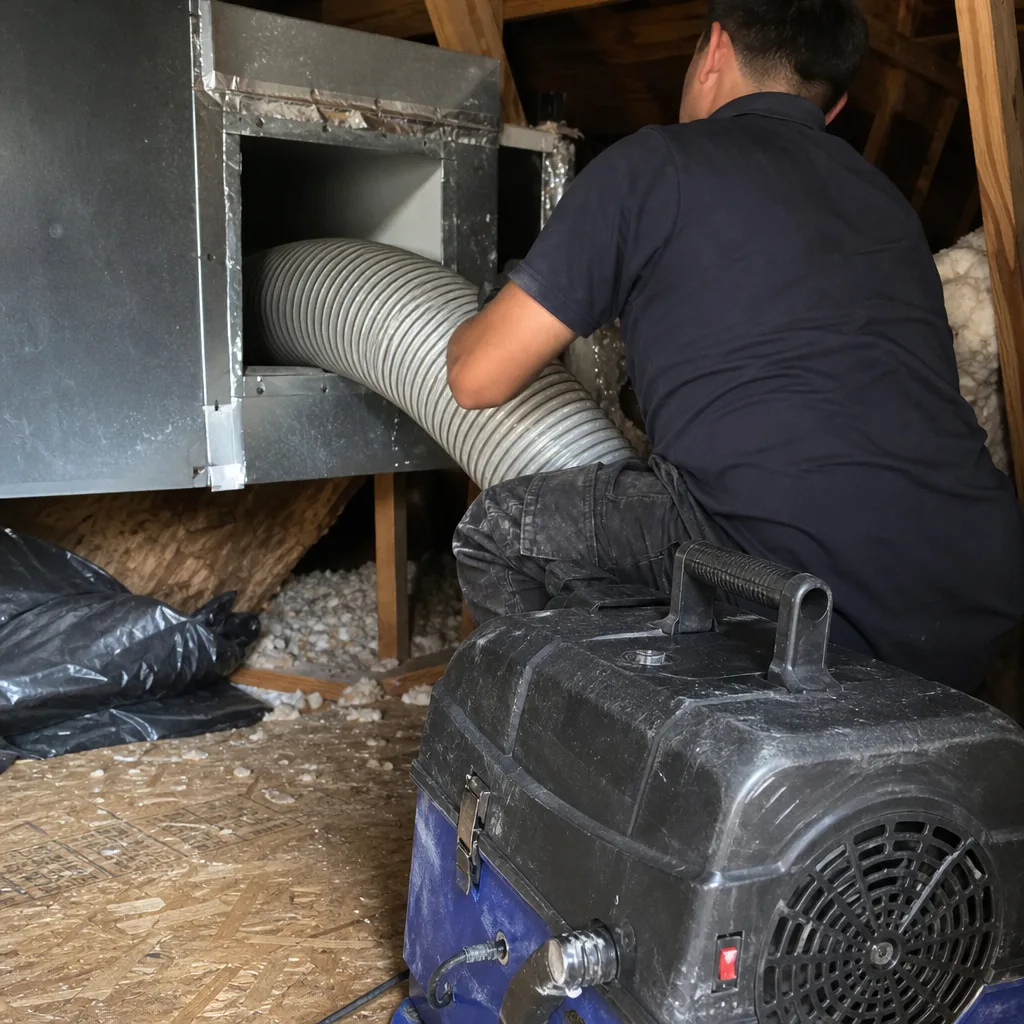
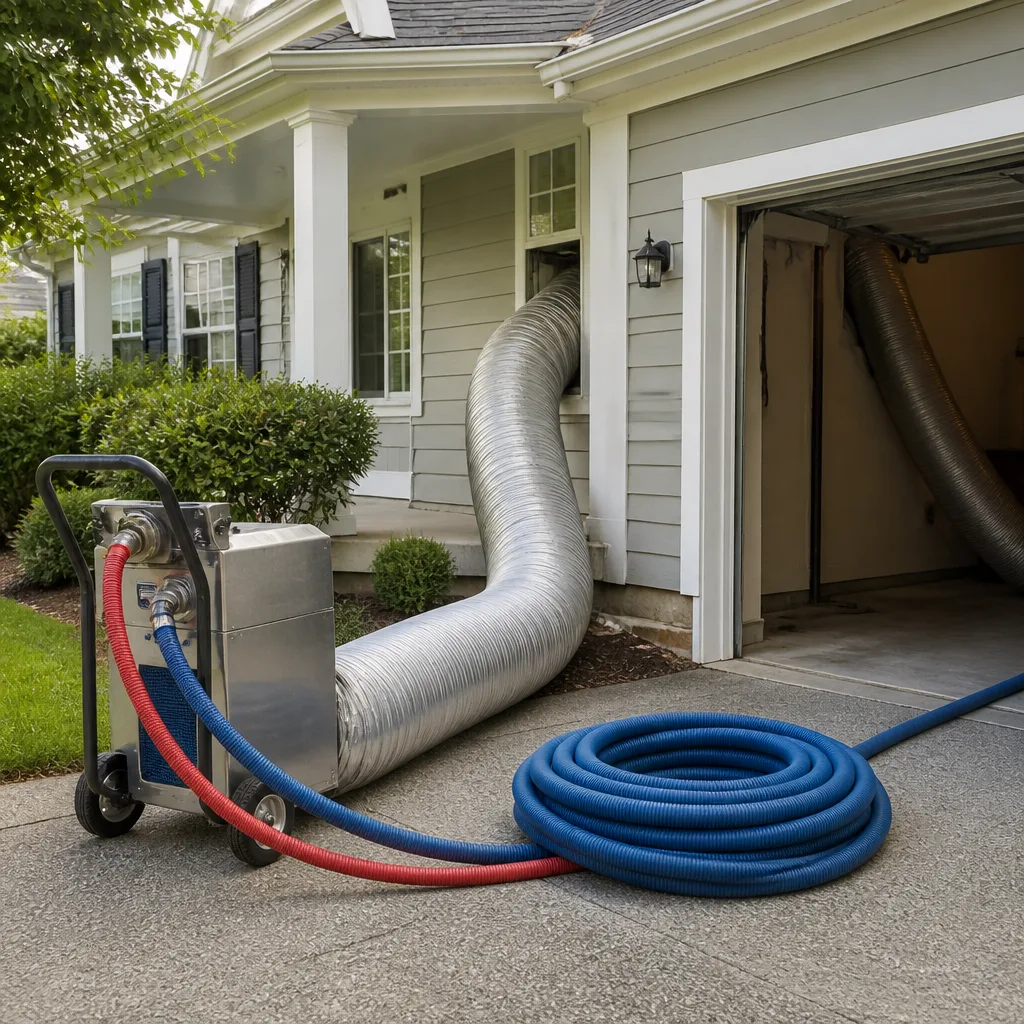 Whole-home duct cleaning
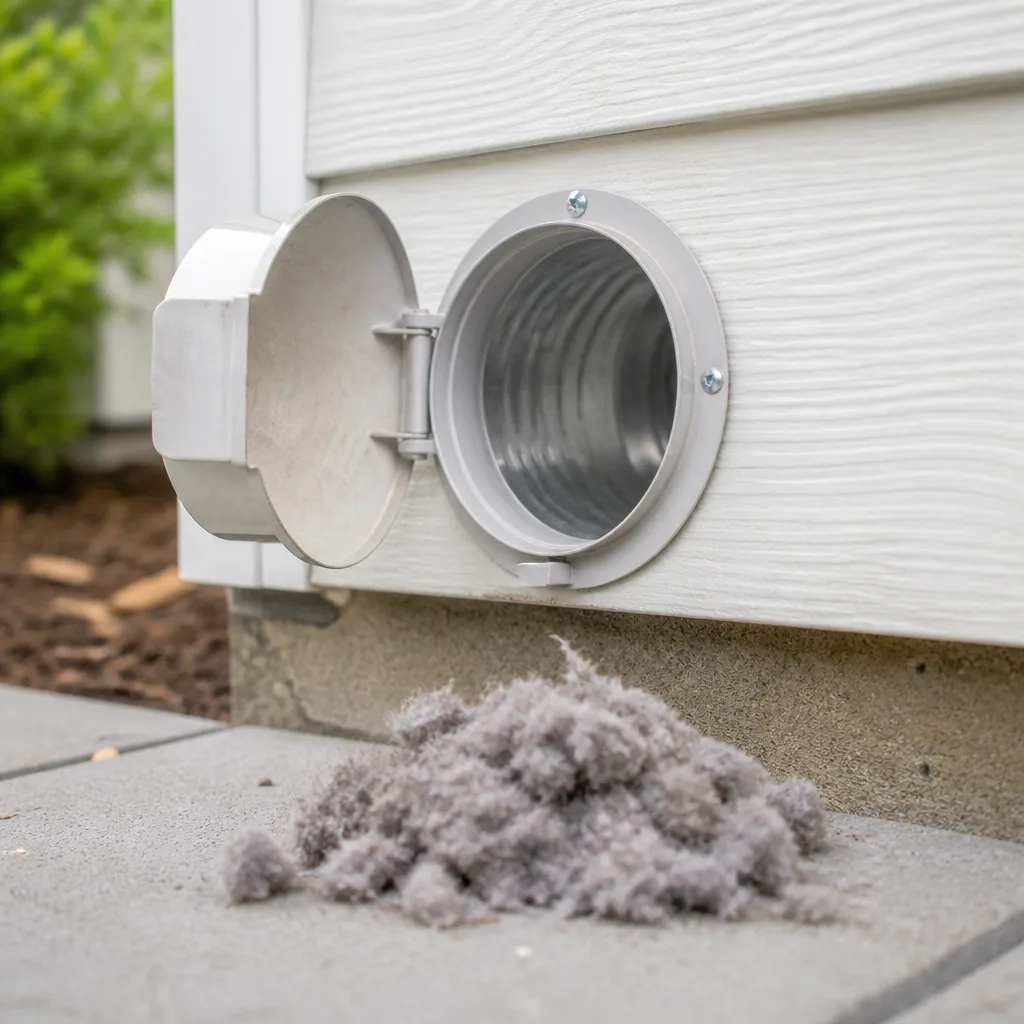 Dryer vent cleaning
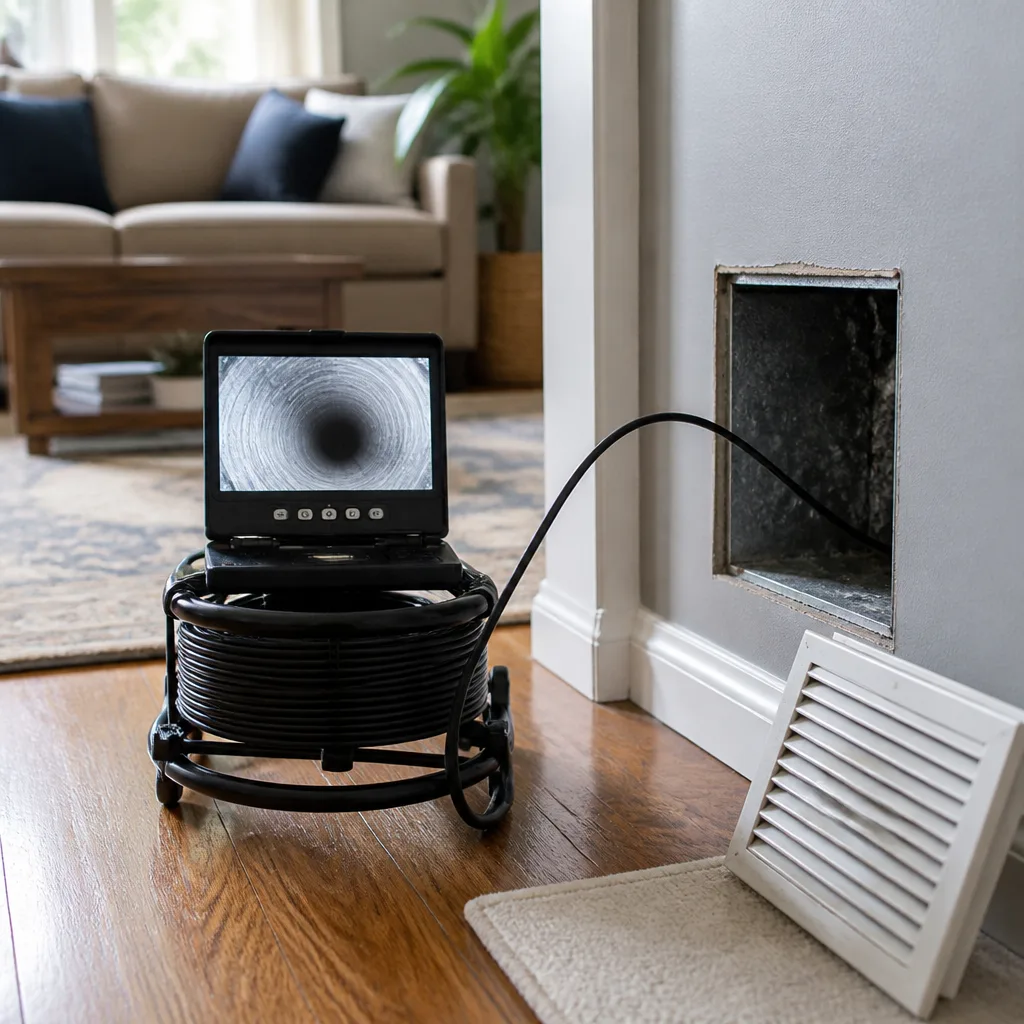 Camera inspection
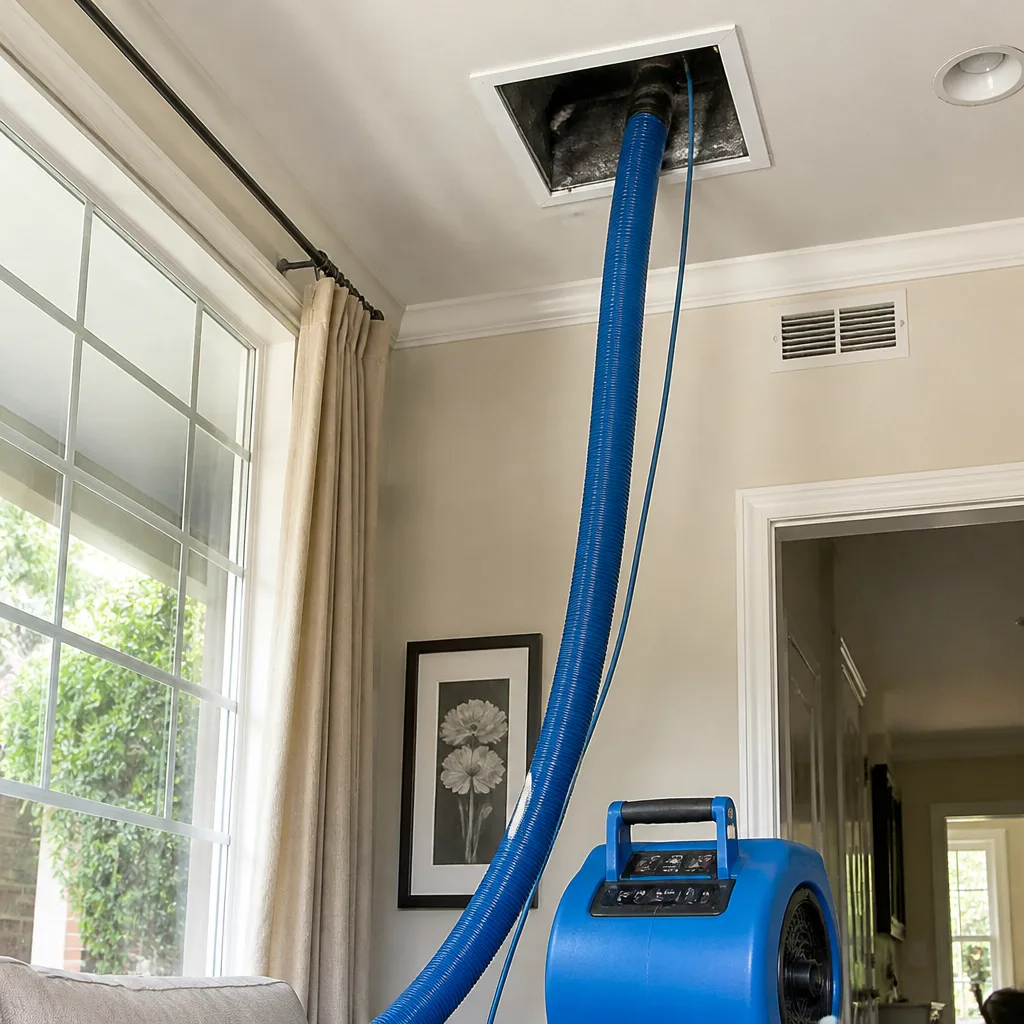 Sanitizing & deodorizing
Whole-system duct and dryer vent check with before-and-after photos - you see exactly what came out of your vents
That "$99 whole-house special" is a bait ad - the real number appears once they are in your hallway, or the "clean" is a shop-vac at the register. We photograph the inside of your ducts before and after instead.
Air Duct Cleaning Permits, Codes & Inspections in Garland, TX: What You Need to Know
A contractor who cuts an access panel into your duct system without the right permit isn’t saving you hassle. They’re transferring their risk onto your property record. That’s the part of duct work almost nobody explains: pure cleaning is one thing, but the moment anyone opens, modifies, or treats the inside of your ductwork, a different set of rules applies. In Garland, the line between routine cleaning and mechanical work that needs a permit is real, and it’s worth understanding before anyone touches your system. This guide walks through who has jurisdiction, when biocide or mold work pulls in state licensing, what to get in writing, and how to verify a contractor before you hire.
Quick Answer
Pure air duct cleaning in Garland – meaning mechanical agitation and extraction with no modification to the duct system – typically does not require a permit. But once a contractor cuts new access panels, replaces or reroutes duct sections, applies biocide treatments inside the ductwork, or performs mold remediation, the scope moves into work that may require a City of Garland mechanical permit, Texas Department of Licensing and Regulation (TDLR) verification, or Texas Department of Insurance mold licensing. Always confirm the scope in writing and ask your contractor which permits, if any, they’re pulling.
Styles & brands we work with
- Whole-home duct cleaning
- Dryer vent cleaning
- Camera inspection
- Sanitizing & deodorizing
Table of Contents
- Who Has Jurisdiction Over Duct Work in Garland?
- Where Does Duct Cleaning End and Duct Modification Begin?
- When Do Biocide Treatments and Mold Remediation Trigger Extra Rules?
- How Do You Verify a Contractor’s License in Texas?
- What Should You Get in Writing Before Any Work Begins?
- What Does a Duct Inspection Actually Cover?
- How Garland’s Climate and Housing Affect Duct Work
- What Does Duct Work Typically Cost in Garland?
Who Has Jurisdiction Over Duct Work in Garland?
The City of Garland Building Inspection Department oversees permitted mechanical work on residential HVAC systems within city limits. That includes duct installation, replacement, modification, and any work that alters the configuration of the system. Duct cleaning on its own – the mechanical act of removing accumulated debris from inside existing ductwork – falls outside that permitting requirement because the system itself isn’t being changed.
Where it gets confusing is the gray zone. A contractor who shows up to clean and discovers disconnected duct runs, crushed flex sections, or gaps at the plenum may recommend repair. That repair is mechanical work. If it involves cutting into the system, adding access, or replacing duct sections, it may require a permit and inspection. The cleaning itself didn’t need one. The repair likely does.
In our experience across Garland neighborhoods like Firewheel, Club Hill, and Duck Creek, the property type shapes the answer too. A single-family home with a simple trunk-and-branch system usually needs less scrutiny than a multi-unit property or a home that’s had prior HVAC renovations where the existing duct layout may already be undocumented. If your home has been through a remodel, ask the contractor to review any existing permits before starting work.
Two things worth knowing before you call:
- The City of Garland handles local mechanical permits and inspections for duct modification and installation.
- TDLR (Texas Department of Licensing and Regulation) handles air conditioning and refrigeration contractor licensing at the state level – separate from the city permit process.
- Texas Department of Insurance (TDI) handles mold remediation licensing, which can apply when a job crosses from cleaning into mold work.
- Your homeowners insurance and property record care about all of the above; unpermitted mechanical work found during a future sale or inspection can create disclosure issues.
Where Does Duct Cleaning End and Duct Modification Begin?
This is the single most important distinction in the entire guide. Cleaning removes what’s inside the ducts. Modification changes the ducts themselves. Put another way: cleaning touches debris, modification touches the system. Only the second one typically triggers permitting requirements.
Here’s how to think about it in practice:
- Cleaning – Brush agitation and negative-pressure extraction of the existing ductwork. No cutting, no new panels, no replacement. Generally no permit required.
- Existing-panel access – A contractor opens a register or service panel that was already installed. Usually considered part of standard cleaning, not modification.
- New access panels – A contractor cuts a new hole into a duct run to reach a section that can’t be accessed otherwise. This is where permitting questions begin.
- Duct repair or replacement – Reconnecting a disconnected run, sealing a breach, replacing a crushed flex section. This is mechanical work and likely requires a permit and inspection.
- Rerouting or adding a branch – Any work that changes the layout or capacity of the system. This is clearly mechanical work and needs a permit.
Ask any contractor the straightforward question: “Will your work require cutting into the duct system or modifying it in any way?” A clean answer tells you a lot. If they can’t say clearly whether the job stays in the cleaning column, get an estimate in writing before you commit. The brands matter here too – a Rotobrush brush-system clean is designed specifically to agitate and extract without needing to cut new access where registers already reach the run. That’s the whole point of the equipment: minimal intrusion, maximum contact.
For homeowners who just need a straightforward clean with no modification, we’ve laid out how the process goes on our air duct cleaning page. If repair is on the table, that’s a separate conversation.
When Do Biocide Treatments and Mold Remediation Trigger Extra Rules?
Biocide application inside ductwork and mold remediation are two different things, and both sit apart from routine cleaning. If a contractor proposes to fog, spray, or otherwise apply a chemical biocide inside your ductwork, that’s a treatment beyond cleaning. The EPA regulates antimicrobial products used in ductwork under its pesticide registration framework, and the product label will state whether it’s approved for HVAC surfaces inside ductwork. No product should be applied to ductwork if its label doesn’t say it’s approved for that use.
Mold is where the rules tighten further. Texas requires mold remediation contractors to be licensed through the Texas Department of Insurance when the work meets the state’s definition of remediation. That’s a different license from the TDLR HVAC contractor license. A contractor legally allowed to clean your ducts is not automatically licensed to remediate mold inside them. If a contractor recommends mold treatment and can’t show a TDI mold remediation license, that’s a red flag.
Here’s the practical split:
- Cleaning only – Removal of debris. No chemical application, no mold treatment. No state mold license required, no biocide disclosure.
- Biocide application – Requires an EPA-registered, label-approved product. Ask for the product name and the label showing HVAC duct use before any application.
- Mold remediation – Requires a TDI mold remediation license. Scope must be defined in writing. Containment and post-remediation verification are usually part of the scope.
If a contractor can’t tell you which of these three buckets your job falls in, that’s your answer. Duct cleaning is one job. Biocide treatment is another. Mold remediation is a third. Make sure whoever you hire knows the difference, and make sure the written scope says which one you’re paying for.
How Do You Verify a Contractor’s License in Texas?
Texas HVAC contractor licensing runs through the Texas Department of Licensing and Regulation (TDLR). Anyone who contracts to perform air conditioning and refrigeration work – including duct installation and repair – should hold a TDLR air conditioning contractor license. Duct cleaning alone may not legally require that license, but a contractor who offers both cleaning and repair is a much safer choice when they hold the license, because the repair side of the work requires it.
Here’s the verification process, step by step:
- Ask for the license number in writing before scheduling. Don’t accept “we’re licensed” without the number.
- Search TDLR’s online license lookup at the TDLR website. Enter the number and confirm the license is active, the name matches the company you’re hiring, and the license type covers the work being quoted.
- Check for insurance – ask for a certificate of insurance showing general liability coverage. A license is not a policy; both matter.
- Check the Better Business Bureau and online reviews for patterns, not just an average. A contractor with a handful of complaints about bait-and-switch pricing is worth steering around.
- Ask if the person doing the work is an employee or a subcontractor. Both are common in this trade; the answer just needs to be clear so you know who’s accountable.
- Confirm the licensing entity on the estimate and on any permit application matches the company you hired. If it doesn’t, stop.
Verification takes ten minutes and it’s worth every one. The contractor who resists giving you a license number is telling you something.
What Should You Get in Writing Before Any Work Begins?
Before any contractor cuts into or modifies existing ductwork, you want a document – not a verbal promise – that spells out exactly what’s being done, who’s doing it, and what permits (if any) apply. A handshake isn’t documentation. A text message isn’t a scope of work. Get it on paper or as a PDF you can save.
Here’s what should be in the written scope:
- Exact work description – Which duct runs are being cleaned or touched. Whether new access panels will be cut. Whether any duct sections will be replaced.
- Equipment being used – Ask specifically. Rotobrush brush systems, Nikro extraction units, and Abatement Technologies containment are all industry-standard names. If a contractor can’t name their equipment, they’re probably working with a shop vac and a hose.
- Permit responsibility – If the scope includes modification, who is pulling the permit and who is paying for it. Unpermitted mechanical work found later during a home inspection can create real headaches.
- Written estimate – A broken-down price, not a single ballpark number. The written estimate sets the final price; if the contractor discovers something mid-job that changes the scope, they should stop and provide a revised estimate before proceeding.
- Before-and-after documentation – Confirm in writing that you’ll receive photos of your own ducts before and after cleaning. This is standard for a professional job and it’s the simplest way to know the work was actually done.
- Cleanup and containment – Negative-pressure containment during the job. If a contractor doesn’t mention containment at all, ask why not.
Get that document signed and dated before anyone arrives. It’s the difference between a fair transaction and a fight.
What Does a Duct Inspection Actually Cover?
A duct inspection looks at three separate things: the physical condition of the ductwork, the inside surface condition of the ducts, and the airflow integrity of the system. These are different questions and they’re answered in different ways.
Physical condition covers visible breaches, disconnected sections, crushed flex duct, and gaps at joints and the plenum. This is the repair side – if a run is disconnected or crushed, it doesn’t matter how clean the rest of the system is. The loss is at the breach. In our experience, this is the finding that surprises homeowners most, because the symptom (a room that won’t cool properly) looks like a cleaning problem when it’s actually a repair problem.
Inside surface condition is what cleaning addresses. Accumulated dust, dander, construction debris from a prior remodel, and in some cases biological growth. Cleaning extracts what’s on the duct walls; a professional job uses mechanical contact, which is what the Rotobrush brush system is designed for, paired with negative-pressure containment from Abatement Technologies equipment so loosened debris doesn’t recirculate into the living space.
Airflow integrity is the third piece – and it’s often checked with a simple static-pressure reading at the air handler. A system that’s clean but leaking is still a system that’s paying for air it’s not delivering. This is where duct cleaning and duct repair intersect. A thorough inspection tells you which problem you actually have.
What a good inspection delivers:
- A written report noting what was found, room by room
- Before-and-after photos of your own ducts
- Clear identification of any repair items separate from cleaning items
- Any permit or licensing implications flagged before work begins
If a contractor inspects and their only finding is “needs cleaning,” ask them to check the supply and return plenum connections by name. Those are the two junctions where duct breaches most commonly appear.
How Garland’s Climate and Housing Affect Duct Work
Garland’s summers are long and the system runs hard for months on end, which means more dust gets pulled through the return side and more condensation cycles happen inside the ductwork. Homes built in the 1970s and 1980s – of which Garland has plenty – often have original flex duct that’s seen decades of thermal cycling. Flex duct can crush, kink, and develop pressure problems over time in a way rigid metal duct rarely does.
The humidity piece matters too. A system that pulls humid summer air back through the return side and lets condensation form inside a duct section encourages the conditions that eventually require a repair – not a cleaning. That’s why inspections come up so often in neighborhoods with older mid-century housing stock. The job isn’t always “clean.” Sometimes it’s “clean, then repair what’s breached.”
Bilingual neighborhoods matter here too. Garland is a diverse city, and some contractors use that diversity to run language-based pricing games. Get the scope and the price in writing, in English, regardless of how the pitch was delivered.
One more point: many Garland homes have had renovations – attic conversions, room additions, kitchen remodels – done by previous owners. Those renovations often meant ductwork was rerouted or extended, sometimes without a permit. If your inspection turns up duct runs that don’t appear to follow the original layout, that’s worth flagging before any further work goes in. The Garland page covers more of what local homes tend to bring to the table.
What Does Duct Work Typically Cost in Garland?
Duct cleaning in Garland typically runs by whole-system scope, not by register or vent count. The range below reflects typical whole-home pricing for a standard single-family system in the Dallas-Fort Worth market. Final pricing is always set per job by the written estimate, which is why you ask for one before committing.
- Standard whole-system duct cleaning (single-family): roughly $300-$700
- Cleaning plus limited duct repair (reconnecting a single disconnected run, sealing a plenum gap): roughly $450-$900 combined
- Dryer vent cleaning (a separate life-safety service, not a duct cleaning add-on): roughly $100-$200
- Mold remediation scope (when actually required by inspection): priced as a separate project; get a written TDI-licensed contractor quote
Beware any quote that’s built from a per-vent price. Per-vent pricing is how bait-and-switch jobs are typically structured: a low teaser figure, then a large invoice once the technician is on-site and “discovers” more vents or sections than were on the original quote. The right model is one flat price per system agreed before work starts. No per-vent pricing, no mid-job “discoveries” that weren’t in the written scope.
If you need only the dryer vent side of the work, the pricing conversation is separate and lives on our dryer vent cleaning page. And if you’re building a broader picture of what routine service looks like in this city, the Duct Cleaning Garland overview is the starting point.
Common Mistakes to Avoid
- Accepting a verbal scope and no written estimate. A verbal agreement leaves you with no record of what was promised. Get the exact work description, price, and permit responsibility in writing before anyone arrives.
- Letting a contractor cut new access panels without a permit discussion. New access is a modification, not a clean. Ask who’s pulling the permit and confirm it before the cut.
- Hiring a cleaner who also offers mold treatment without a TDI mold license. Texas licensing rules for mold remediation are separate from HVAC licensing. If mold is on the scope, ask for the TDI license number and verify it.
- Choosing on price alone. A contractor who quotes a quarter of everyone else’s range is going to make up the difference on-site, usually by “finding” problems that weren’t in the estimate. Pick on scope and equipment, not on the smallest number.
- Skipping the license lookup. TDLR’s license lookup takes minutes. A contractor who won’t give you a number is telling you something.
- Accepting “we use the truck-mounted gear” as equipment detail. Ask specifically. Rotobrush, Nikro, and Abatement Technologies are named because they’re the standard. A shop vac on a truck is not a duct cleaning system.
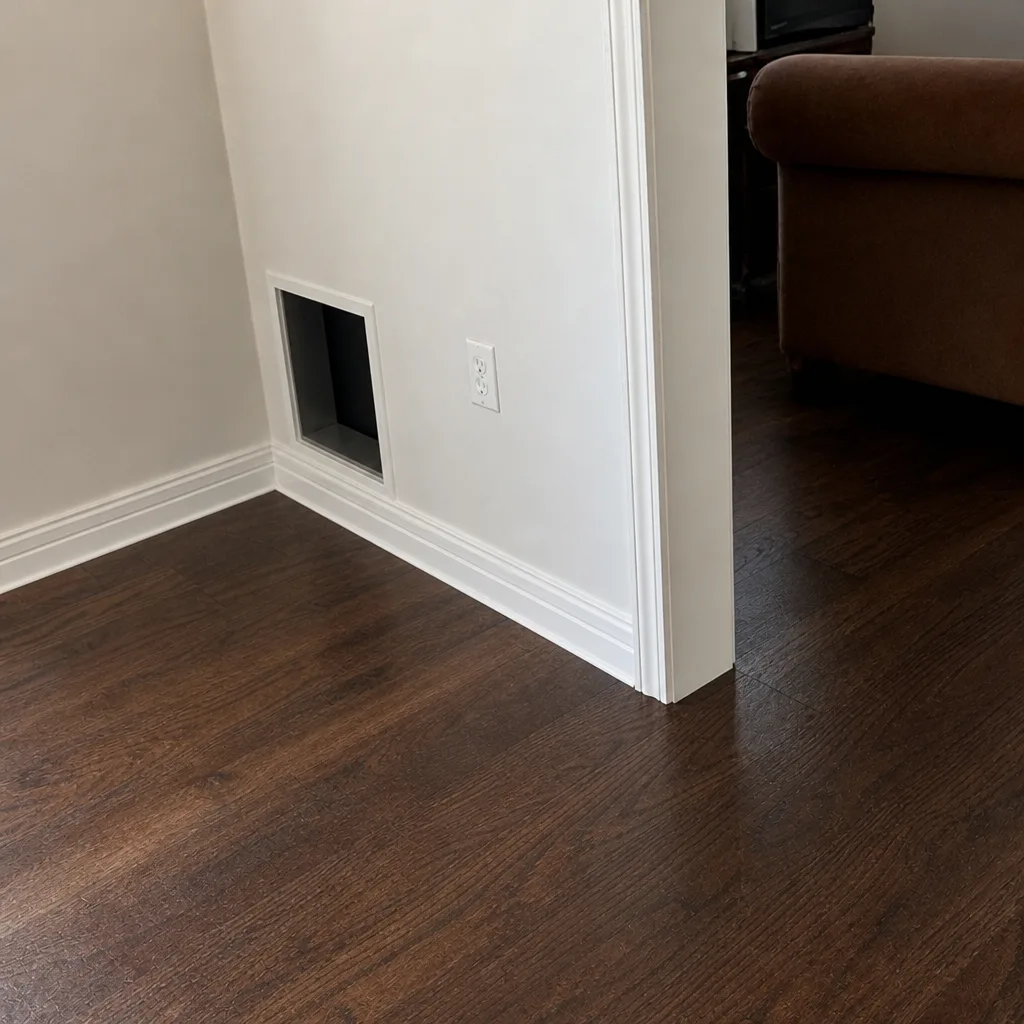
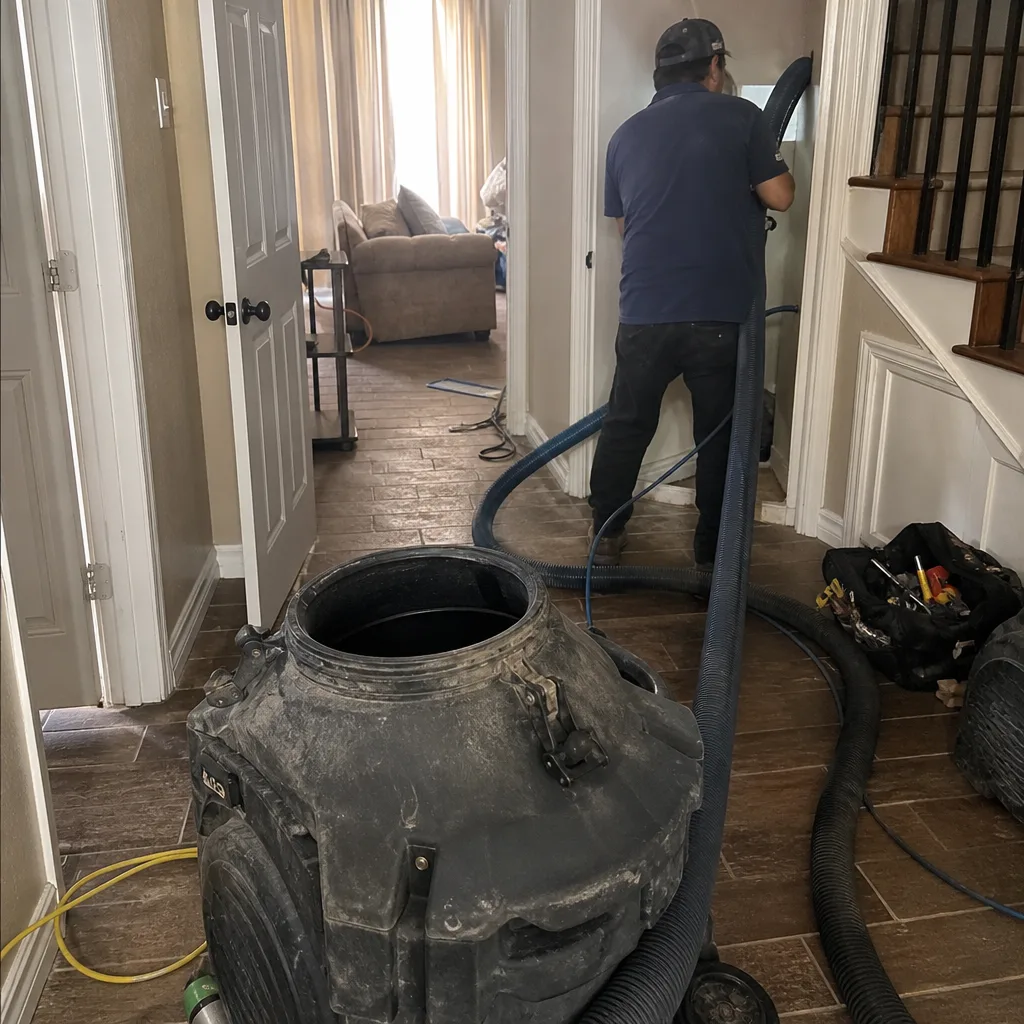
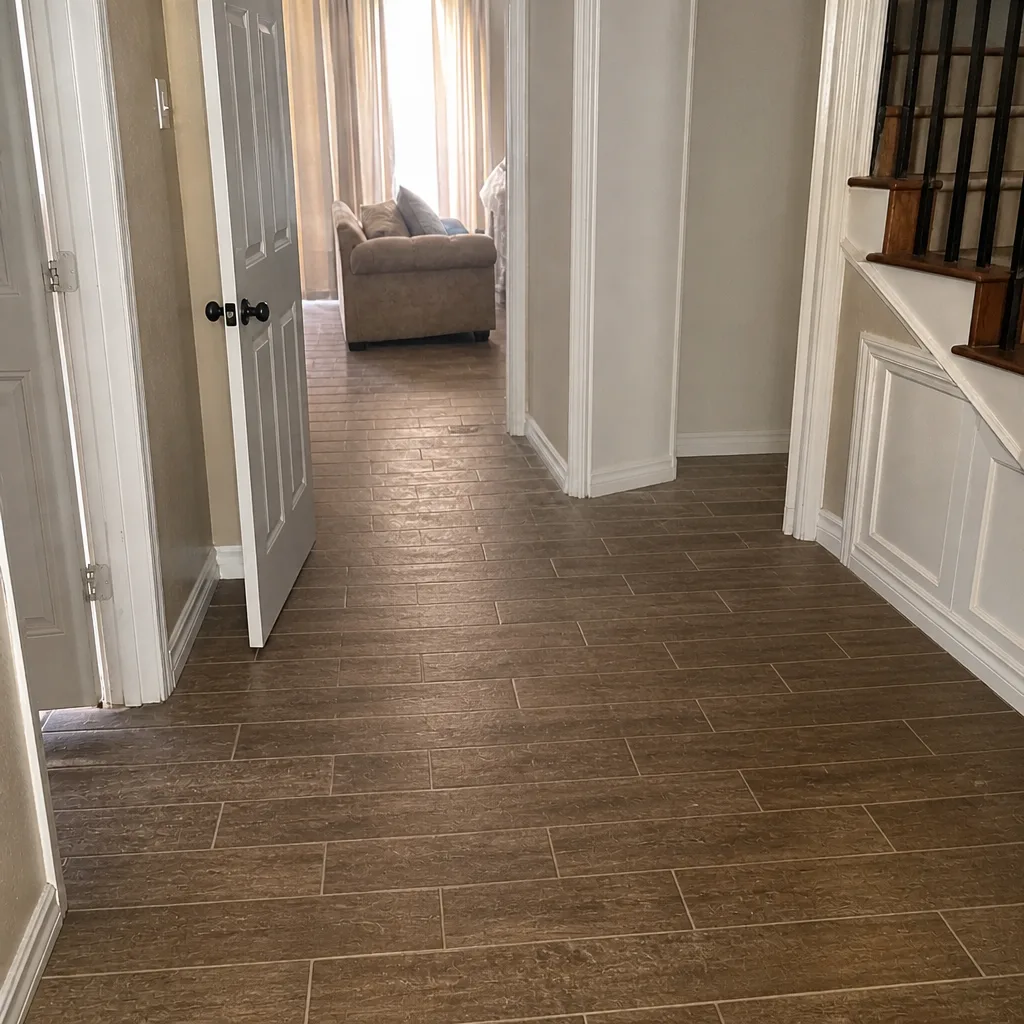
- Not asking for before-and-after photos of your own ducts. The photos are the proof. Not a stock image, not a competitor’s photo, not “trust us” – your own ducts, documented.
See the difference
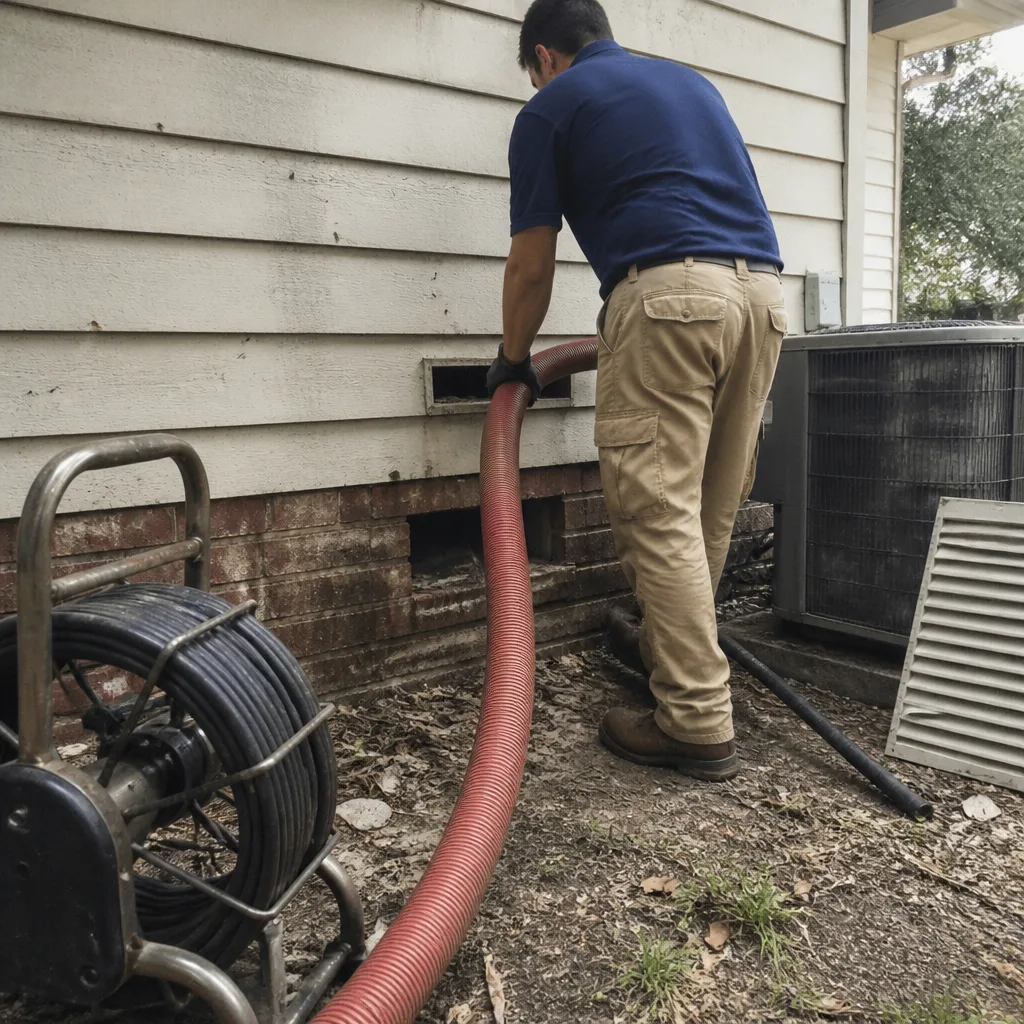 Before
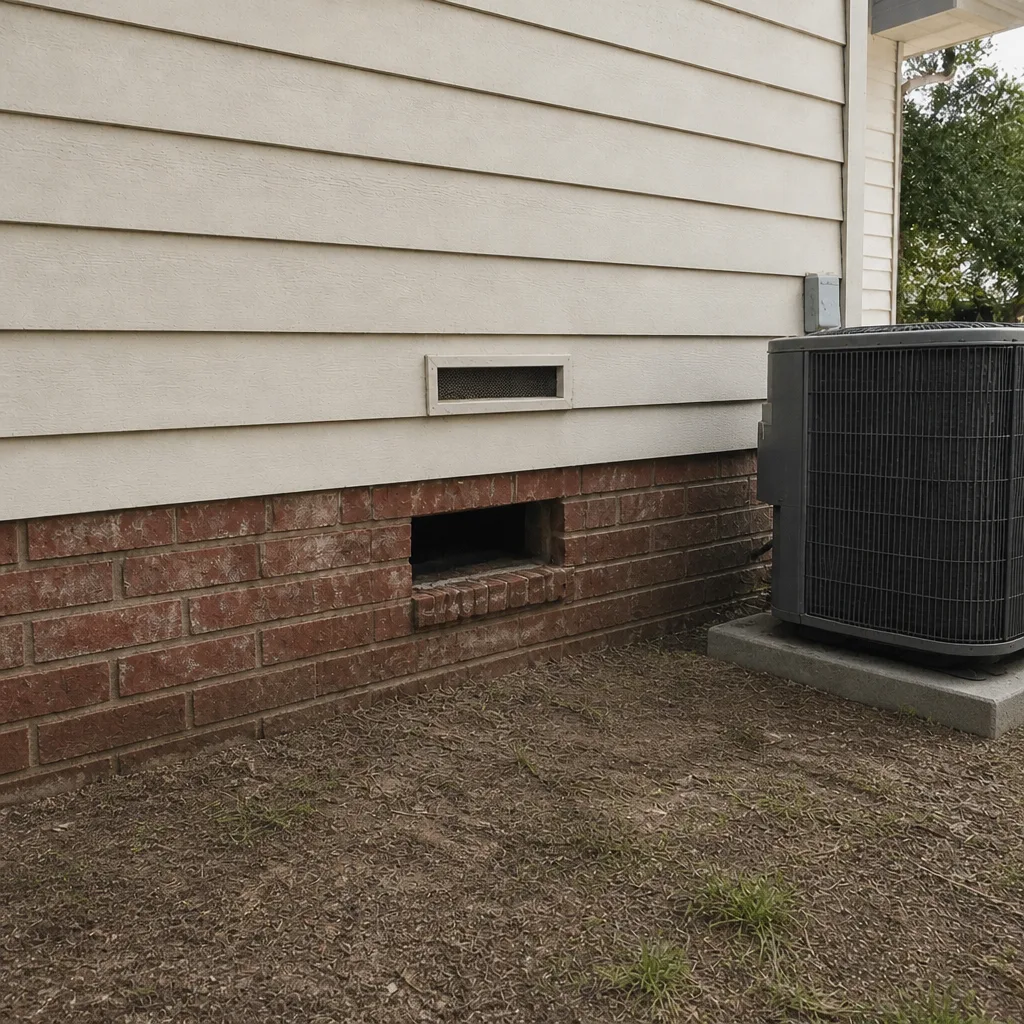 After
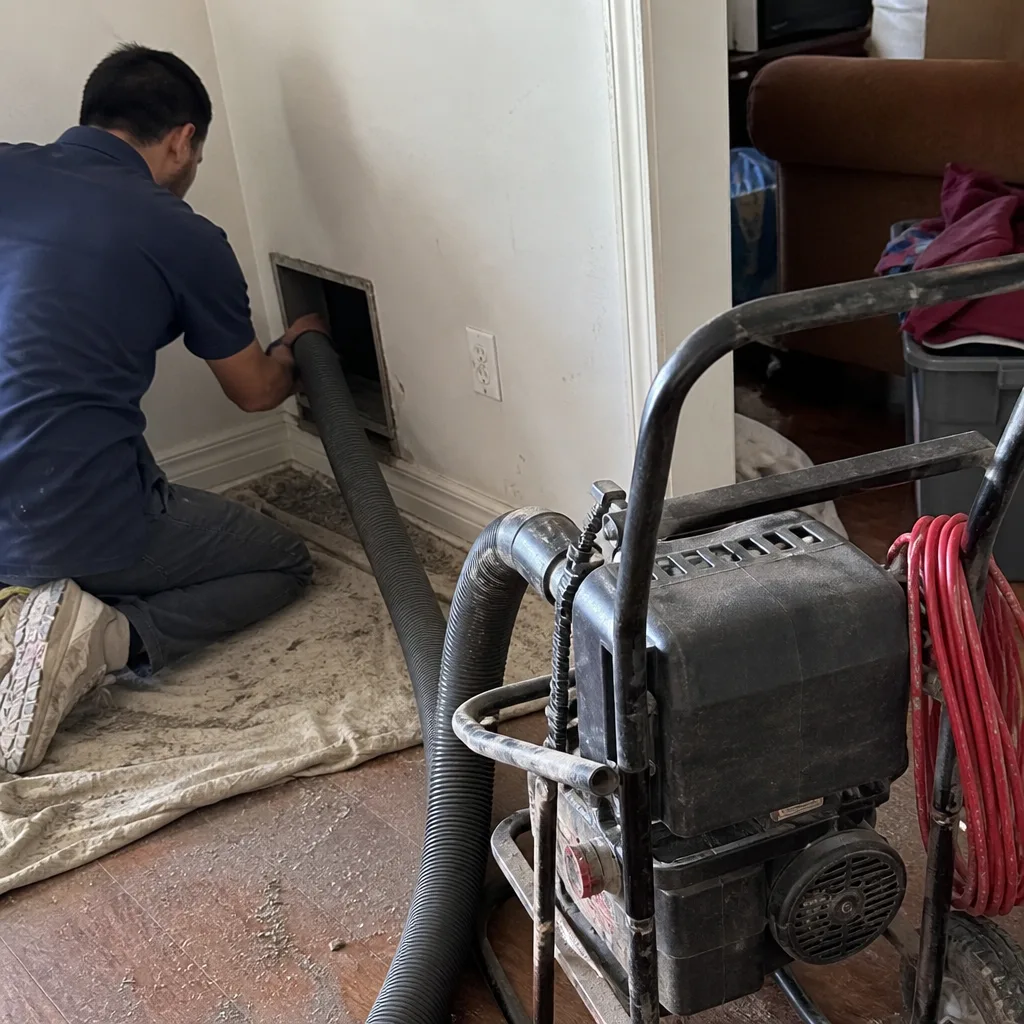 Before
 After
 Before
 After
When to Call a Professional
Call a professional when the problem is bigger than a filter change. Persistent allergy symptoms that worsen when the system runs, musty odors from registers, a dryer that takes two cycles to finish a load, visible dust on register grilles shortly after cleaning them, or an inspection report flagging duct issues – those are all signs that the system needs eyes on it. If a contractor is proposing duct modification, new access, biocide application, or mold remediation, call before signing anything so you can get a second opinion on the scope and the licensing. If you’re a property manager with multiple units and you’re unsure which jobs hit the permit line, that’s a planning conversation, not a cleaning call. Duct Cleaning Garland offers free estimates in Garland – call (888) 430-9938.
Frequently Asked Questions
No. Pure air duct cleaning – mechanical agitation and extraction with no modification to the system – typically does not require a permit in Garland. The permitting question only becomes relevant when a contractor cuts new access, replaces duct sections, or applies treatments. Call (888) 430-9938 for a free estimate and a written scope.
Any work that modifies the duct system – replacement of a duct section, cutting a new access panel, adding or rerouting a branch – moves the job from cleaning into mechanical work that typically requires a City of Garland permit and inspection. The right move is for the contractor to stop, write up the repair scope as a separate line item, and let you approve the permit path before proceeding. Call (888) 430-9938 to talk scope.
Ask for the license number in writing, then look it up on the Texas Department of Licensing and Regulation website. Confirm the license is active, the company name matches, and the license type covers air conditioning and refrigeration work. Duct cleaning alone may not require a TDLR license, but the repair side of the work does, so a licensed contractor is the safer hire. And always ask for a certificate of insurance separately. Call (888) 430-9938 for a free estimate.
Duct cleaning removes accumulated debris from inside the ductwork. Mold remediation addresses biological growth in the system, and in Texas it requires a license from the Texas Department of Insurance. A contractor licensed to clean your ducts is not automatically licensed to remediate mold inside them. Ask for the TDI mold remediation license number if mold work is on the scope. Call (888) 430-9938 for an honest scope assessment.
Cheap quotes are typically built on a per-vent teaser price, with the real invoice depending on “discoveries” made once the technician is already parked at your house. Honest pricing is per system, in writing, with a scope that matches what you were quoted. Ask any contractor for their whole-system price in writing and confirm no add-on will be billed unless you approve it first. Call (888) 430-9938 for a written whole-system estimate.
Before-and-after photos of your own ducts, taken during the job and delivered in writing. A professional job documents every run. If a contractor won’t commit to that in the written scope, that tells you something. Call (888) 430-9938 – every job we connect you with includes a written scope and documented results.
New access panels are a modification to the duct system, which typically requires a City of Garland mechanical permit. A contractor who cuts one without discussing the permit is shifting the responsibility for that work onto your property record. Ask before the cut. Call (888) 430-9938 if you’re not sure what a contractor’s suggesting.
The Bottom Line
Pure duct cleaning in Garland is a straightforward service that doesn’t require a permit. Modification, new access panels, duct replacement, biocide application, and mold remediation all change the picture – sometimes with a Garland mechanical permit, sometimes with TDLR or Texas Department of Insurance involvement. Verify every contractor’s license through TDLR before hiring. Get the full scope, price, and permit responsibility in writing. Ask specifically what equipment will be used – Rotobrush, Nikro, Abatement Technologies if it’s a professional job; a shop vac if it isn’t. And demand before-and-after photos of your own ducts. Those four steps are the difference between a fair transaction and a fight, and they matter whether the job is cleaning or repair.
Duct Cleaning Garland connects Garland homeowners with independent local professionals who bring professional-grade equipment to every job. We answer 24/7. Fast dispatch from 7am to 7pm, Sunday through Friday. Call (888) 430-9938 for a free estimate.
Written by the team at Duct Cleaning Garland.