
Last updated November 15, 2026
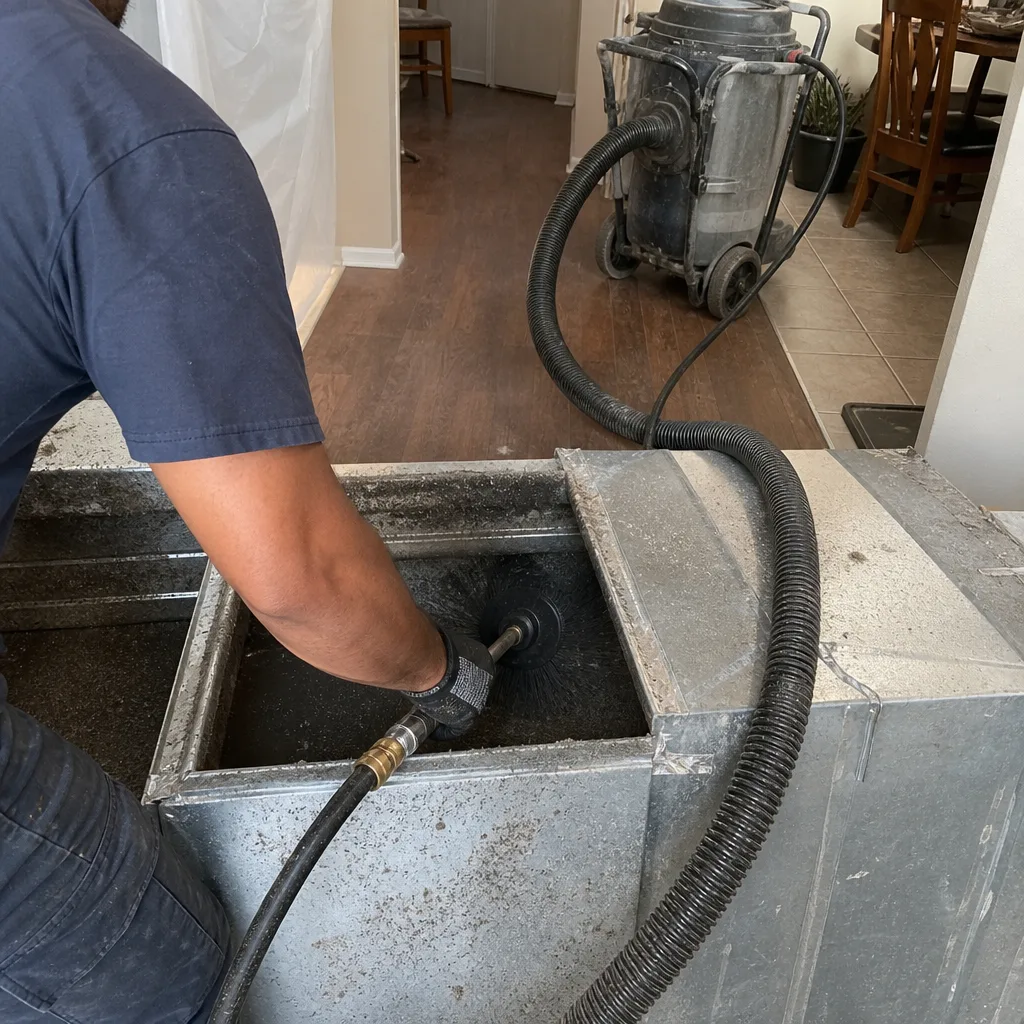
 Whole-home duct cleaning
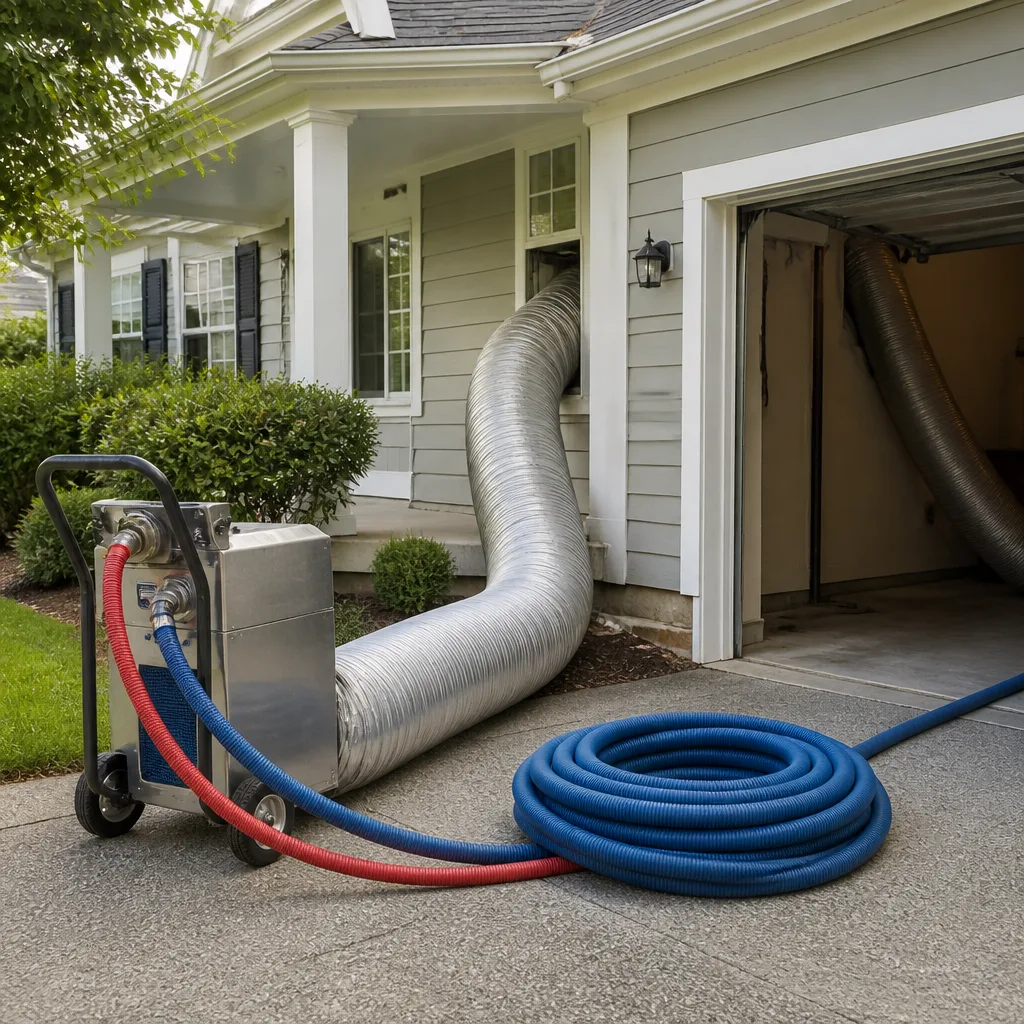
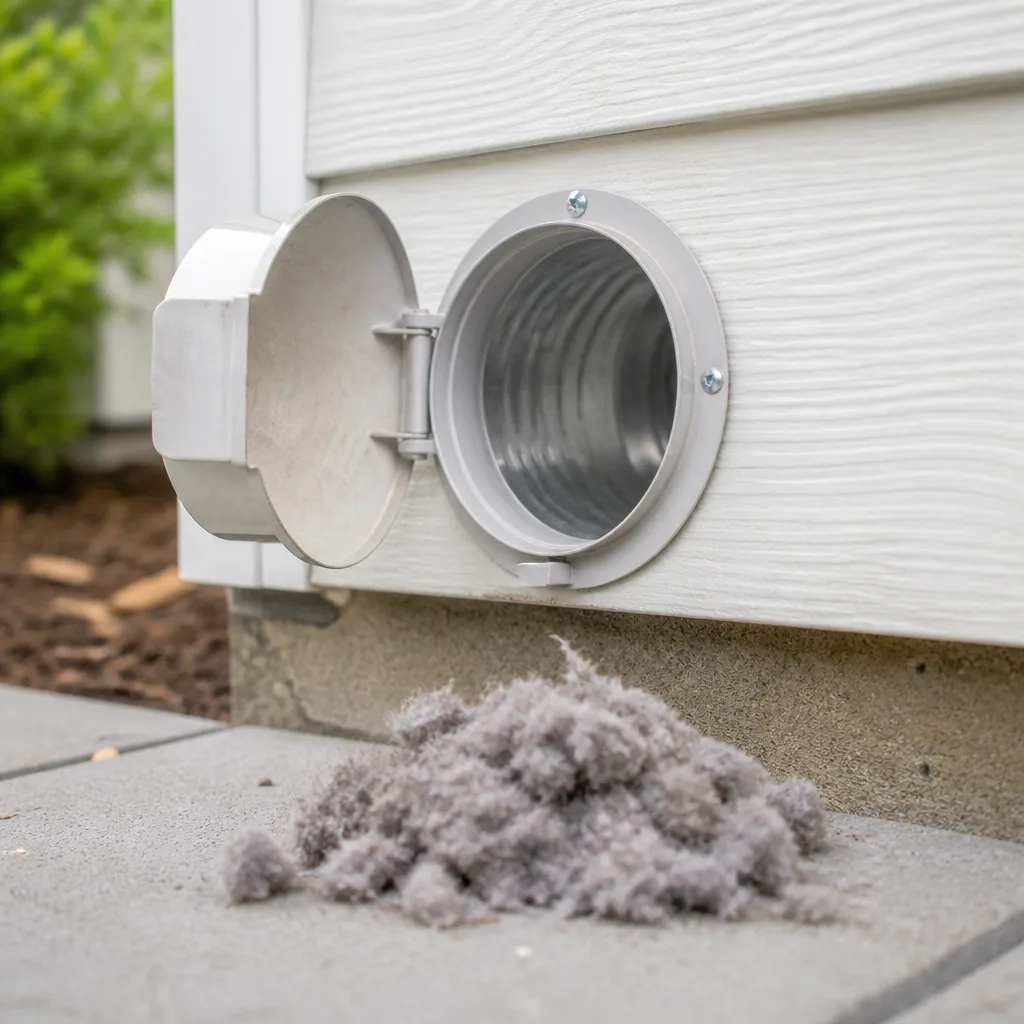 Dryer vent cleaning
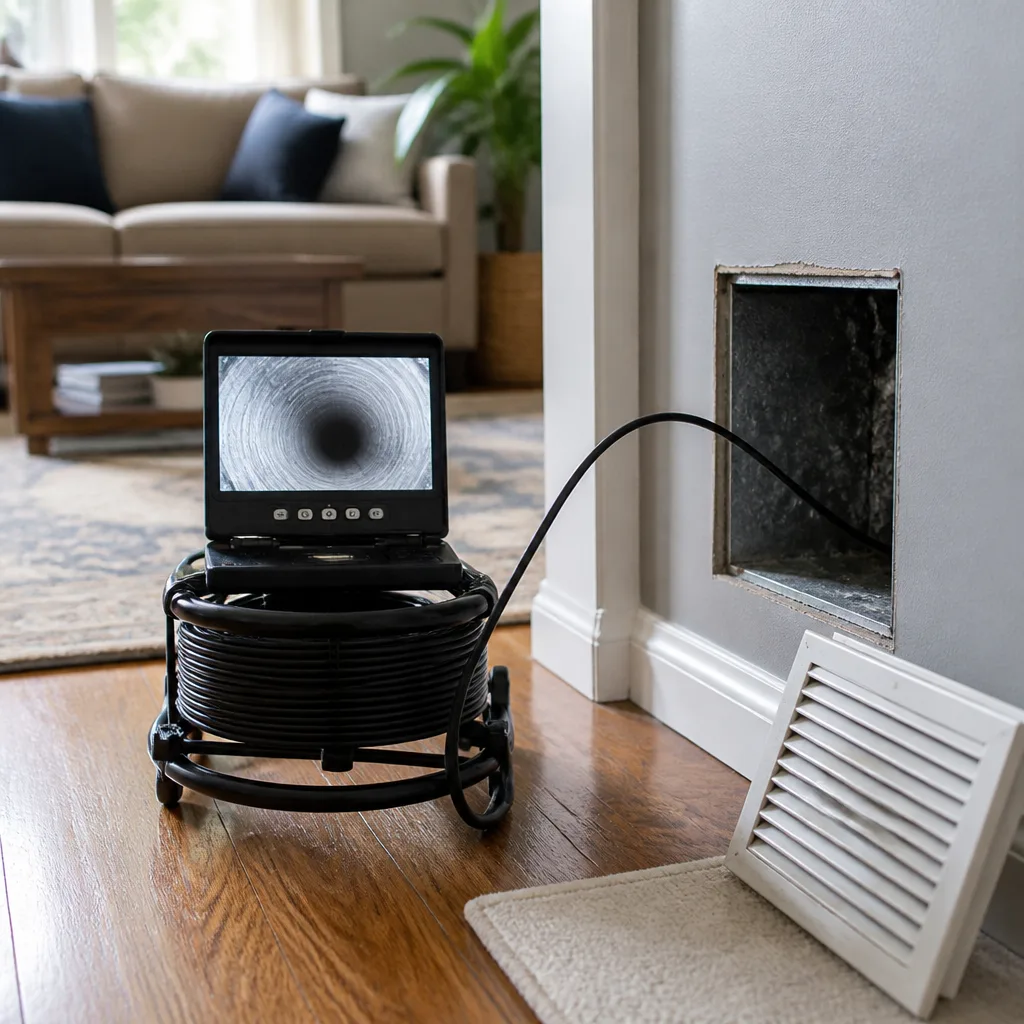 Camera inspection
 Sanitizing & deodorizing
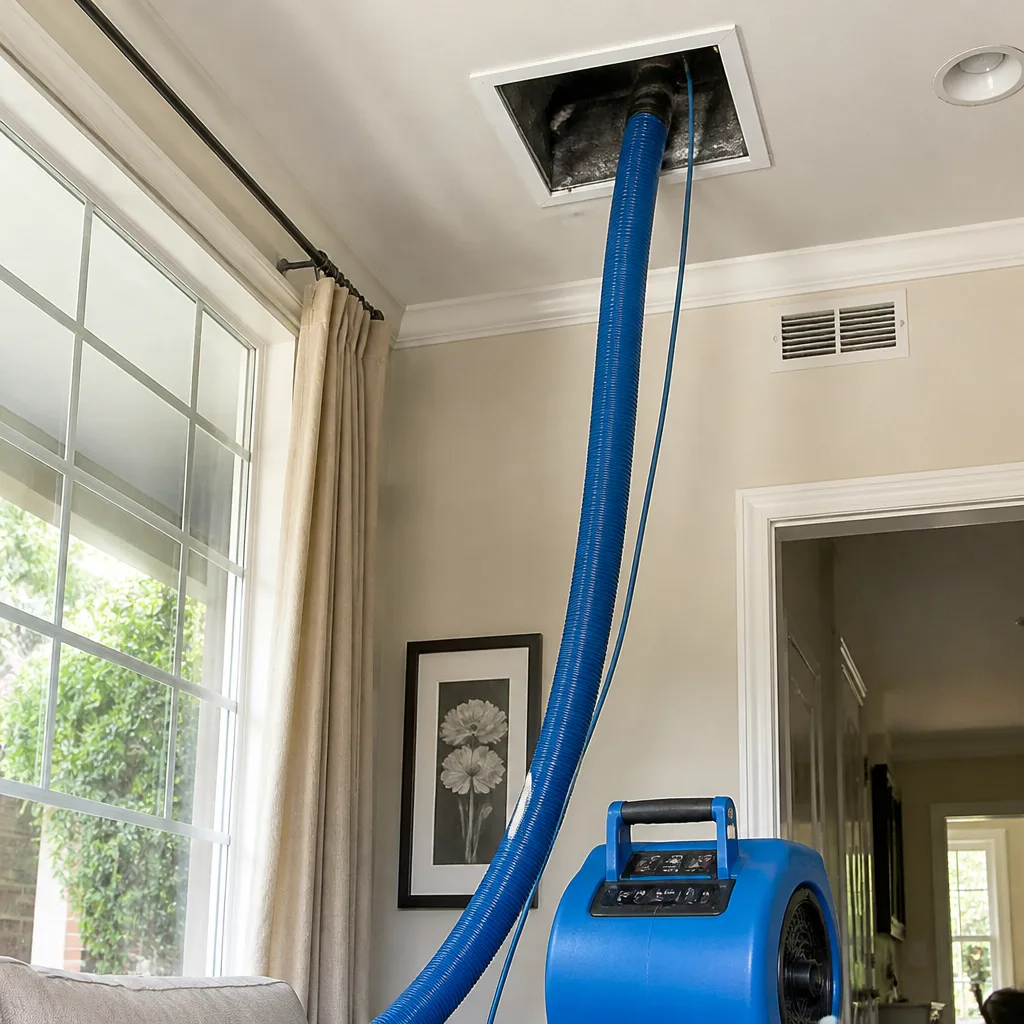
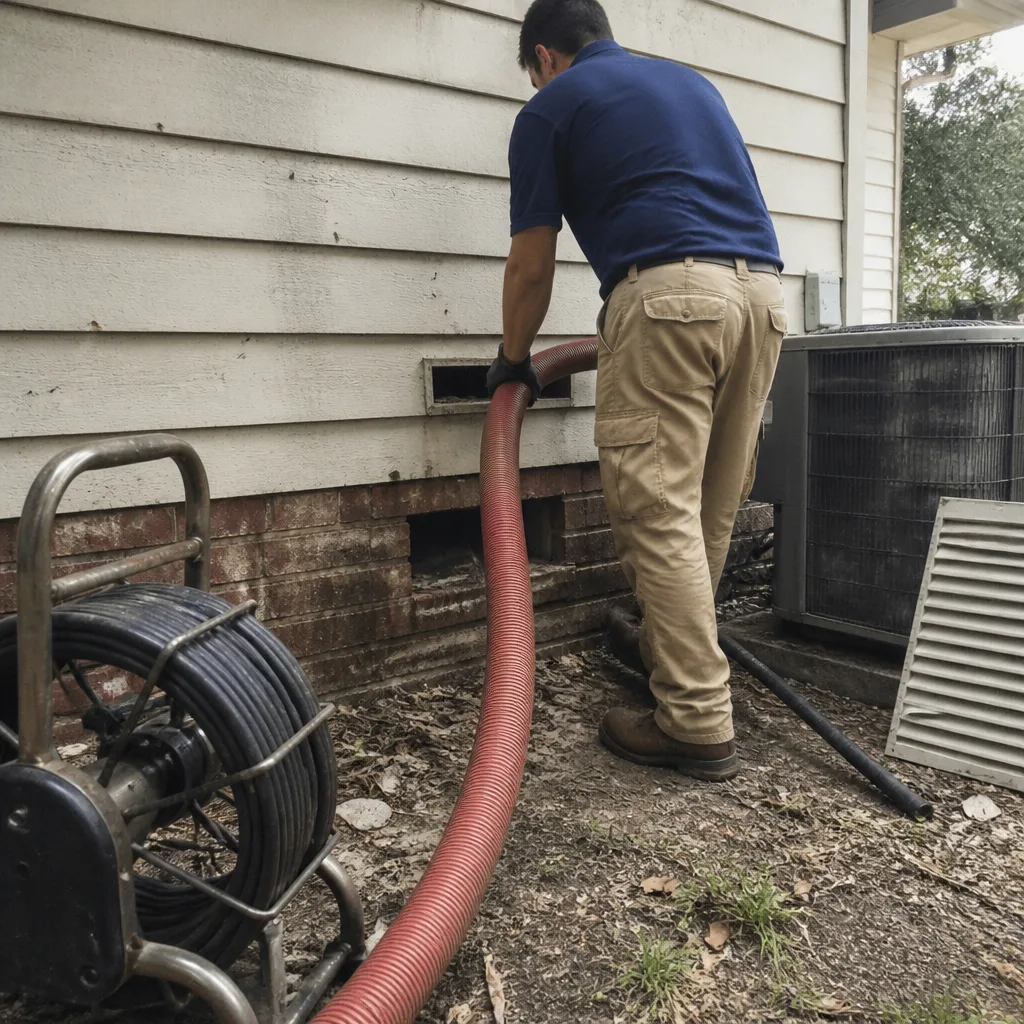
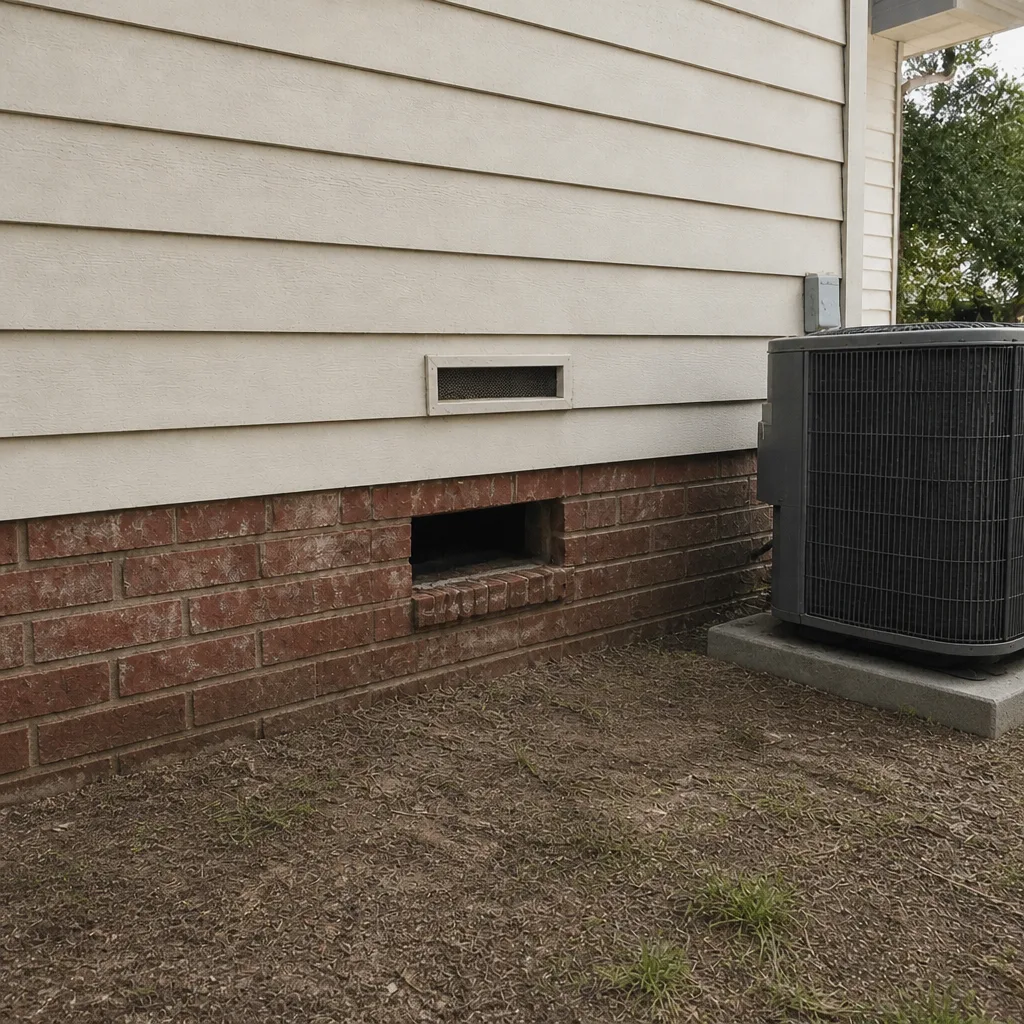
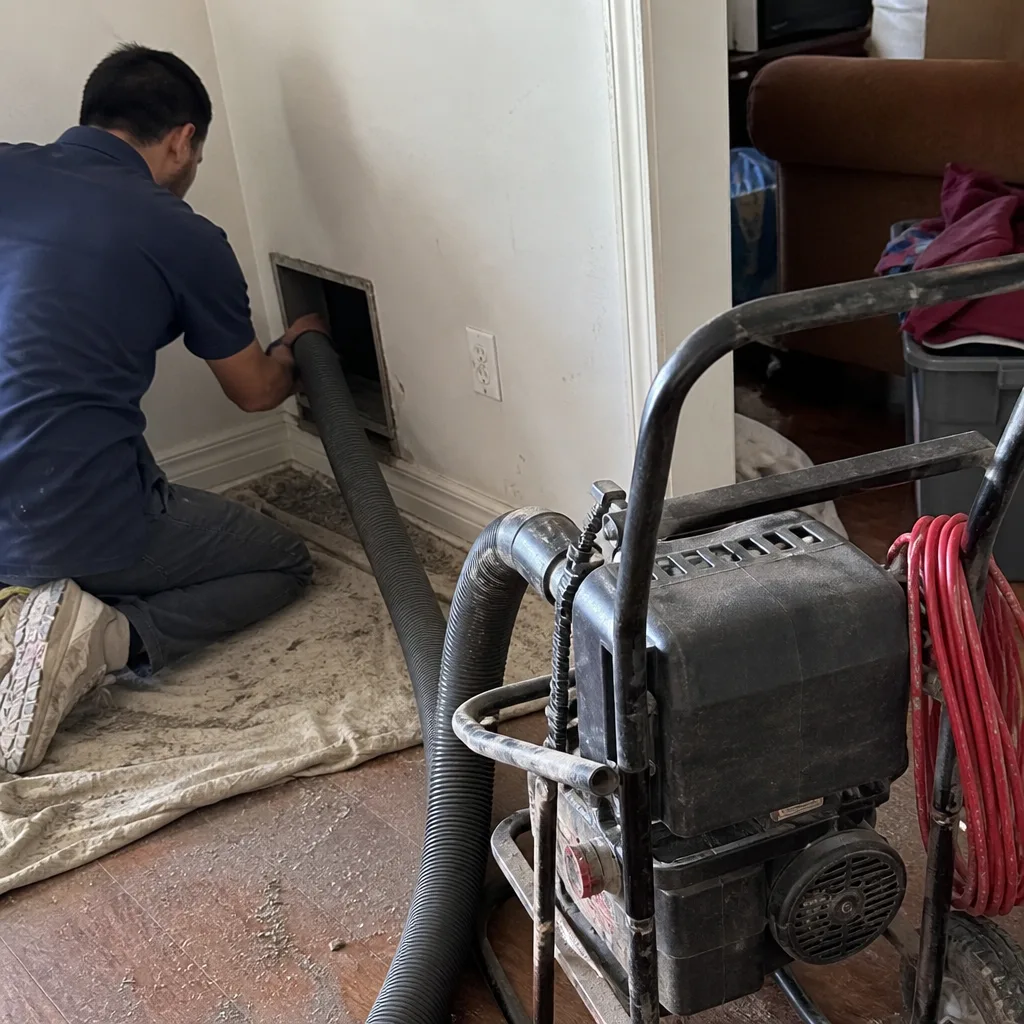
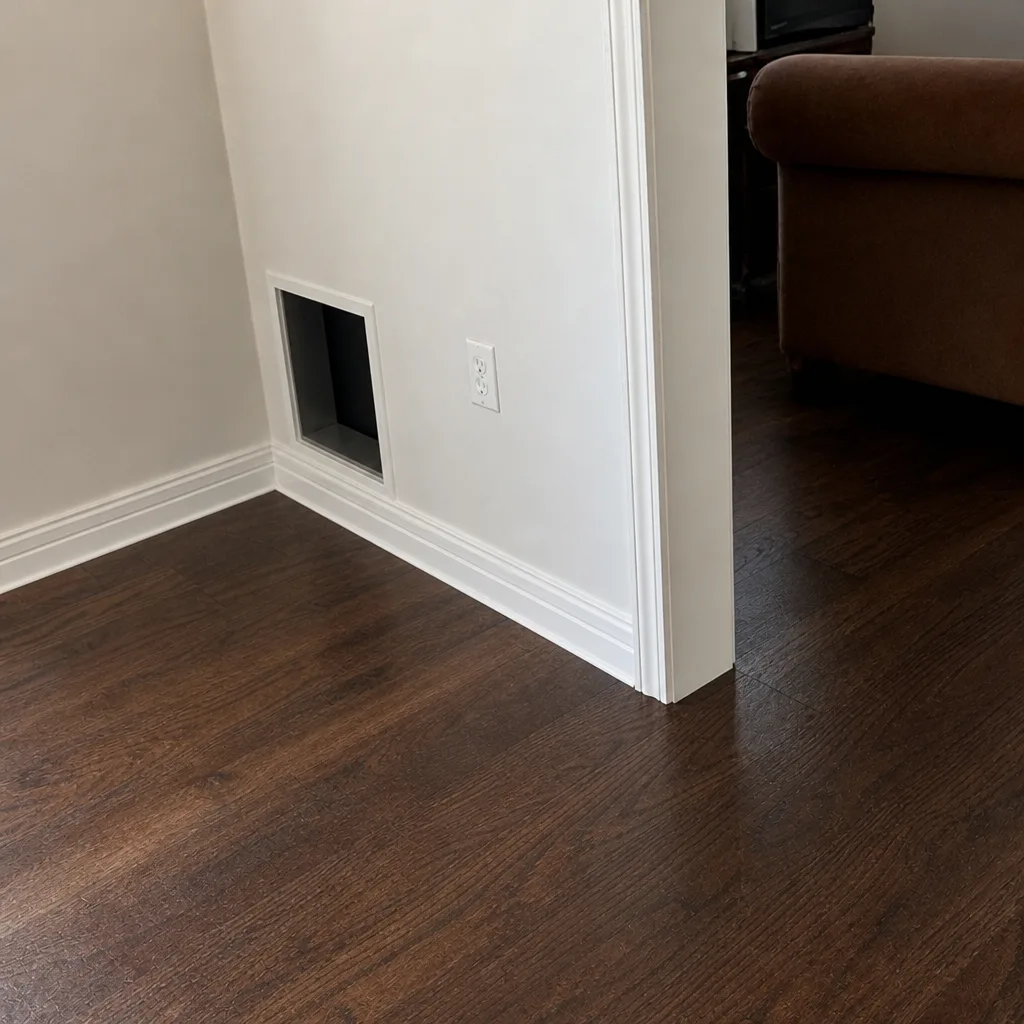
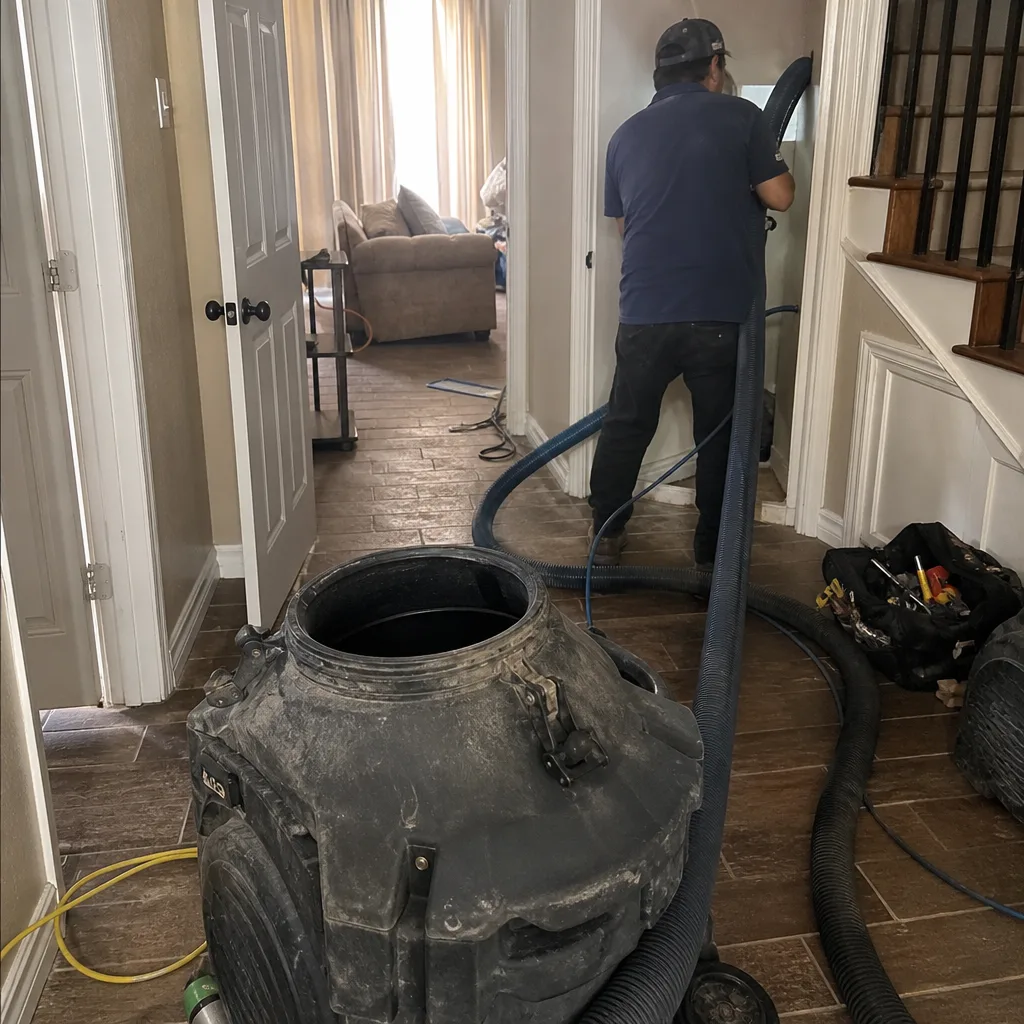
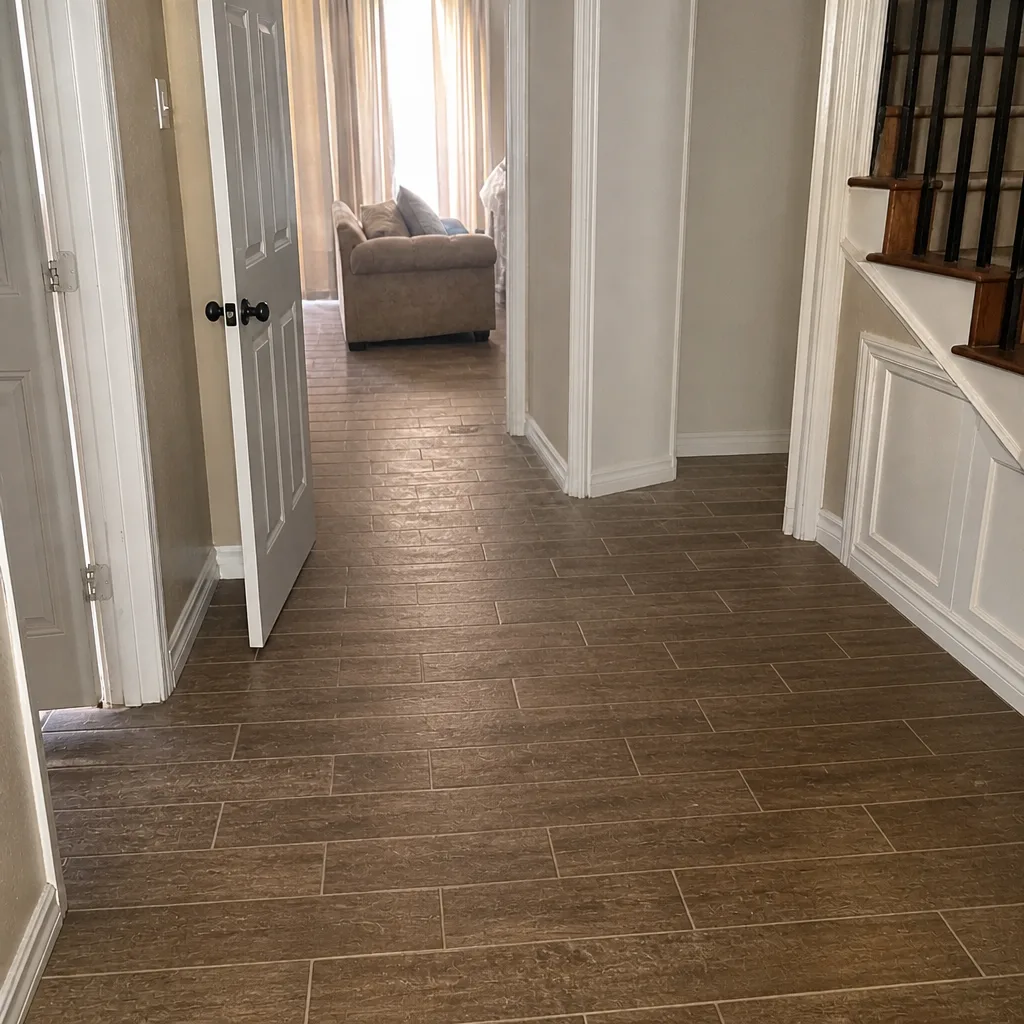
Whole-system duct and dryer vent check with before-and-after photos - you see exactly what came out of your vents
That "$99 whole-house special" is a bait ad - the real number appears once they are in your hallway, or the "clean" is a shop-vac at the register. We photograph the inside of your ducts before and after instead.
Air Duct Cleaning Maintenance Schedule: What to Do and When
If you finished a renovation in the last 18 months and haven’t had your ducts cleaned since, the standard 3-to-5-year rule is already out the window. Construction dust doesn’t respect furnace filters the way everyday household dust does. Fine drywall and sawdust particles bypass or overload the filter and settle into duct liner, where they stay long after the plastic sheeting comes down. A calendar can’t tell you that. Your household’s activity can. This guide replaces the one-size-fits-all interval with a schedule built around the things that actually drive contamination in Garland: household size, pets, renovation history, filter habits, and the spring pollen cycle that hits North Texas every year.
Quick Answer
Most Garland homes should have their air ducts cleaned every 3 to 5 years. High-load households (pets, smokers, recent renovations, allergy sufferers, or more than four occupants) should shorten that to every 2 to 3 years. Replace filters every 1 to 3 months depending on loading, and schedule spring cleaning before cedar and elm pollen peaks so you aren’t cycling allergens through a freshly cleaned system. Any flood, fire, HVAC replacement, or rodent activity resets the clock regardless of how much time has passed.
Styles & brands we work with
- Whole-home duct cleaning
- Dryer vent cleaning
- Camera inspection
- Sanitizing & deodorizing
Table of Contents
- Why a Fixed 3-to-5-Year Rule Fails Most Homes
- The Tiered Schedule: Matching Intervals to Your Household
- Timing Your Cleaning Around Garland’s Pollen and Humidity Cycle
- Filters vs. Duct Cleaning: Two Different Clocks
- Quarterly Checks You Can Do Yourself
- What Requires Camera Inspection Equipment
- Post-Event Triggers That Reset the Schedule
- The Dryer Vent Schedule Most Homeowners Ignore
Why a Fixed 3-to-5-Year Rule Fails Most Homes
The “clean every 3 to 5 years” advice you see everywhere is a population average. It’s useful as a starting point and useless as a planning tool for your specific house. Two homes on the same block in Garland, built to the same plan, can need wildly different cleaning intervals. One has two occupants and no pets. The other has five people, a golden retriever, and a kitchen remodel that wrapped up last spring. The second home could accumulate more duct debris in 18 months than the first does in six years.
What actually drives contamination rates is a short list of variables. Household size matters because every occupant sheds skin cells and generates dust. Pets add dander and hair that travel through return air. Renovation activity pushes construction particulate into the system no matter how careful the crew is. Smoking indoors accelerates buildup dramatically. And filtration habits, meaning how faithfully you replace filters and at what MERV rating, determine how much particulate ever reaches the duct walls in the first place.
In our experience across Garland, the homes that call us with complaints about musty odors or visible dust at the registers usually fall into one or more high-load categories. They aren’t necessarily the oldest homes. Sometimes they’re newer builds where the previous owner never replaced a filter. HVAC systems here run long cooling seasons, which means air moves through the ducts for more hours per year than in cooler climates. That runtime alone tilts Garland homes toward the shorter end of any generic interval.
The right approach is to start with a baseline interval, then adjust it based on your specific variables. The next section builds that out.
The Tiered Schedule: Matching Intervals to Your Household
Think of duct cleaning intervals in three tiers. Most homes land in the middle, but the outliers on either end are more common than the generic advice suggests.
Baseline Household
No pets, no smokers, no allergy sufferers, no renovation in the past five years, three or fewer occupants, filters replaced on schedule. This household can comfortably go 4 to 5 years between cleanings. Even at five years, the ducts may not show heavy accumulation if filtration has been consistent. Annual or semi-annual filter changes and a quarterly visual check at the registers keep this home on track.
High-Load Household
Any of the following moves you into the 2 to 3-year tier:
- One or more indoor pets, especially dogs or cats that shed
- Four or more occupants, including children
- Anyone in the home with asthma, seasonal allergies, or respiratory sensitivity
- A smoker in the home
- Renovation activity in the last 18 to 24 months
- Frequent window-opening during high-pollen weeks
- Filter replacement that’s been sporadic or neglected
Two or more of those factors together, especially pets plus a recent renovation, can justify a cleaning every 18 to 24 months. That’s not overselling the service. It reflects how fast particulate accumulates when multiple sources stack.
Post-Event Household
Homes that have experienced a flood, smoke infiltration from a fire, an HVAC system replacement, or rodent activity need a cleaning on the event timeline, not the calendar timeline. We cover that in the reset triggers section below.
If you’re unsure which tier fits your home, the honest answer is: get a professional inspection and ask directly what interval they’d recommend. A reputable provider will tell you 4 to 5 years if that’s what the ducts actually show. If you’re ready to schedule professional air duct cleaning, we can walk you through what we find and what it means for your next interval.
Timing Your Cleaning Around Garland’s Pollen and Humidity Cycle
When in the year you clean matters nearly as much as how often. Garland sits squarely in the North Texas pollen belt. Cedar and elm pollen run through the winter and early spring, and oak follows hard on their heels. If you clean your ducts in the middle of pollen season and then leave windows open for a week, you’re reintroducing the same allergens a fresh cleaning just removed.
The better rhythm is to schedule duct cleaning in late winter or early spring, before the cedar and elm counts peak. That way the system is clean going into the heaviest pollen weeks. The filters catch what comes in, and you replace them more often through the peak. By the time oak pollen tapers, the ducts are still in good shape and haven’t been loaded with a season’s worth of tree pollen.
Garland’s summer humidity matters too. Long cooling seasons mean condensation in and around the air handler and duct runs. In homes with poorly insulated ducts in unconditioned attic space, condensation wicks into duct insulation and liner, creating a damp surface that holds dust differently than dry duct liner does. Cleaning at the start of cooling season, before weeks of near-constant runtime, tends to catch systems in their cleanest state and gives you a full season of cleaner cooling.
Fall is a reasonable second window. Pollen counts drop, homes open up, and any dust that collected over summer gets flushed out before heating season. If your household is high-load or you’re dealing with allergy symptoms, aiming for the pre-spring window is the stronger choice. If you’re trying to fit cleaning into a broader maintenance plan, fall works fine.
One local note: homes near the wooded areas of eastern Garland and around the Lake Ray Hubbard shoreline tend to collect more leaf and plant particulate through the cooling season. If your homeowners association has designated maintenance windows, or if your neighborhood has a lot of mature trees, plan the cleaning for the shoulder season before leaf fall or right after. Duct Cleaning Garland service across the neighborhoods here reflects that same general timing logic: shoulder seasons beat peak pollen weeks.
Filters vs. Duct Cleaning: Two Different Clocks
Homeowners often conflate two separate maintenance schedules. Filters and ducts run on different clocks, and getting one right doesn’t compensate for letting the other slip.
Filters need replacement every 1 to 3 months. The interval depends on how fast they load, not a fixed calendar date. A home with pets, high occupancy, or a lot of foot traffic loads filters faster than a quieter home. A MERV 8 filter in a normal Garland household usually needs replacement around 90 days. A MERV 11 or 13 filter catches more, which means it loads faster. If you can’t see light through the filter when held up, it’s overdue regardless of how many months have passed.
Duct cleaning is measured in years. But the two interact. A filter that’s consistently neglected lets a large share of airborne particulate pass into the ducts and settle on duct walls. That accelerates accumulation and shortens the interval between professional cleanings. Homes with poorly maintained filters frequently need cleaning 12 to 18 months sooner than they would with a discipline of regular filter changes.
The reverse is also worth knowing. Ducts that are heavily contaminated will load filters faster. Airborne debris loosens from duct walls and gets drawn into the filter, which fills up sooner than it should. So if your filters seem to be loading unusually fast, that’s a signal worth paying attention to. It may indicate heavier duct accumulation than the calendar suggests.
The practical rule: stay disciplined on filter changes, watch for faster-than-expected loading, and use that pattern as an early indicator of whether it’s time to shorten your duct cleaning interval. If you’re curious what an actual cleaning involves, our guide to what air duct cleaning looks like on this system can give you the process details.
Quarterly Checks You Can Do Yourself
Most homeowners never look inside their ducts between cleanings. That’s a missed opportunity, because a few simple quarterly checks give you real information about how fast contamination is building.
- Look at every supply register. Shine a flashlight through the grille. A thin even film of dust is normal. A visible accumulation, fuzz, or heavy gray coating at multiple registers suggests buildup deeper in the system. A single dusty register may just mean that room’s return is unbalanced.
- Check the return air grille filter frame. Remove the grille and look at the filter. How loaded is it relative to how long it’s been in place? If it’s noticeably gray after 30 days, filter loading is happening faster than baseline and you should consider shortening the duct interval.
- Smell the air at the registers when the system first kicks on. A musty, dusty, or chemical odor right after startup typically points to duct contamination, especially if the smell fades as the system runs. Persistent odors may need a professional inspection to identify the source.
- Watch for visible dust settling on horizontal surfaces. After cleaning a room’s flat surfaces, if dust resettles within a day or two, that’s typically a filtration or duct issue, not a housekeeping one.
- Check for pest entry points. Look for gaps in the duct runs visible in accessible areas, and check attic insulation for rodent droppings or nesting. Duct breaches are common in older Garland homes and let both pests and attic dust into the system.
These checks take ten minutes total. Record what you find and the date. Over two or three quarters, a pattern emerges. That record is genuinely useful when you talk to a professional. If you find something that concerns you, our related Garland service page covers what we handle for local homes.
What Requires Camera Inspection Equipment
Visual checks at the register tell you a lot, but they stop at the grille. Everything behind the grille, inside the trunk lines, and through the air handler requires actual inspection equipment. This is the line between homeowner checks and professional assessment.
Professional inspection uses video camera equipment fed through duct runs. That’s the only way to see what’s actually happening on duct walls deep in the system, whether there are breaches or disconnected sections, and whether debris is bonded to the liner (which requires mechanical agitation) or loose (which extraction alone can handle). The distinction matters because it drives the cleaning method.
This is where equipment choice separates real cleaning from surface work. A provider showing up with an air-blowout rig and a consumer vacuum can’t see inside the system and can’t extract what’s bonded to the liner. Our approach uses Rotobrush brush-system technology to make mechanical contact with duct walls and dislodge bonded debris, Nikro professional extraction systems to pull contaminated air out of the system, and Abatement Technologies negative-pressure containment so loosened contaminants don’t recirculate into the living space during service. That sequence – contact, extract, contain – is what a camera inspection informs. And when inspection finds a breached or disconnected section, we repair what we find rather than cleaning around the problem.
If you’re in a home older than about 25 years, or a home where the roof or an addition involved HVAC modification, asking for camera inspection is reasonable regardless of what the register checks show. We recommend scheduling it as part of any cleaning service for these homes so you get real information rather than a best guess.
Post-Event Triggers That Reset the Schedule
Some events override the calendar entirely. If any of the following happens, schedule duct cleaning regardless of how recently the last cleaning occurred.
- Water intrusion or flood. Water in the duct system creates conditions for mold growth on insulation and liner. Any flood event that reached the HVAC system, or any prolonged moisture issue that reached the ducts, needs a professional assessment before the system runs again.
- Fire or smoke infiltration. Smoke deposits are stubborn and adhesive. Even a small fire in one area of the home can push smoke particles through the entire air distribution system. Cleaning needs to happen before occupancy resumes.
- HVAC system replacement. A new furnace or air handler is the ideal moment to clean the existing ductwork. New equipment mated to contaminated ducts will just circulate the old debris through the new system.
- Rodent or pest activity. If rodents have entered the duct system, professional cleaning and inspection for breaches is essential. Pest waste and hair need removal, and the entry point needs sealing.
- Major renovation. Any project that generated meaningful drywall dust, sawdust, or demolition particulate resets the clock. This is the opening hook of this guide, and it’s the single most commonly overlooked trigger.
In each case, the cleaning happens on the event schedule, not the calendar one. After the cleaning, restart the regular interval from that date. For drier vents specifically, a fire event anywhere in the home is worth reviewing too, because lint and debris in the vent can compound the risk. Our dryer vent cleaning service addresses that separately from the HVAC ducts.
The Dryer Vent Schedule Most Homeowners Ignore
Duct cleaning and dryer vent cleaning run on separate schedules, and the dryer vent is the more frequently neglected one. It’s also the more critical of the two from a safety standpoint. Dryer vent lint accumulation is a leading cause of residential structure fires, because lint is highly combustible and the vent is the exhaust path for the heat source.
The general interval for dryer vent cleaning is once a year for most households. Households with high laundry volume, longer vent runs, or vent configurations that include multiple elbows may need it more often. Signs that a vent is overdue include clothes taking two cycles to dry, the dryer feeling hot to the touch on the outside, or a burning smell at the end of a cycle. Any of those is worth scheduling the vent cleaning immediately rather than waiting on the annual calendar.
Duct cleaning and dryer vent cleaning don’t share a schedule, but they do share a household. If you’re having the ducts cleaned, it’s worth a conversation about the dryer vent at the same time. Getting both checked in the same service window simplifies the maintenance calendar and ensures neither laps.
Common Mistakes to Avoid
- Cleaning on the calendar and ignoring the household. A fixed five-year interval in a home with pets and a recent renovation is five years too long. Let the household variables drive the schedule, not the calendar alone.
- Skipping the cleaning after renovation. This is the single biggest mistake we see. Drywall dust in duct liner doesn’t age out – it stays embedded until it’s mechanically removed. Cleaning after the renovation, not before, is the priority.
- Treating filter replacement as a substitute for duct cleaning. Filters catch a share of what passes through, but they don’t clean the duct walls. Consistent filter changes slow contamination; they don’t reverse it.
- Cleaning in the middle of pollen season and then opening the windows. The cleaning is undermined within a week. Schedule for the shoulder season or immediately before peak pollen, not in the middle of it.
- Accepting a cleaning without knowing the equipment. Air blowout rigs and consumer vacuums push debris around without extracting it. Ask what equipment is used before the work starts. If the answer isn’t mechanical agitation plus professional extraction plus containment, keep calling.
- Ignoring a breach because the cleaning “looked thorough.” A disconnected duct section makes any cleaning pointless – debris re-enters the living space the moment the system runs. Cleaning and repair go together.
- Skipping the dryer vent while scheduling duct cleaning. The dryer vent is a fire-safety item on its own schedule, and it’s easy to forget when the ducts are the focus. Put it on the same maintenance conversation.
See the difference
 Before
 After
 Before
 After
 Before
 After
When to Call a Professional
Some situations call for professional assessment rather than continued monitoring. Call when you notice persistent musty odors from registers, visible dust accumulation at multiple supply vents, or a sharp increase in allergy symptoms in the home with no other obvious cause. Call after any renovation, water intrusion, fire, or HVAC replacement. Call if your filter loading is speeding up noticeably compared with prior years. Call if you’re unsure what interval fits your home and want an actual inspection rather than a guess. A professional with camera equipment can see what your register checks can’t, then recommend a schedule based on what’s actually there. Duct Cleaning Garland offers free estimates in Garland, and with up to 13 years of technician experience, we can walk you through the tiers and give you an honest read. Call (888) 430-9938. We answer 24/7. Fast dispatch from 7am to 7pm, Sunday through Friday.
Frequently Asked Questions
Most Garland homes should have their ducts cleaned every 3 to 5 years, with high-load households (pets, smokers, recent renovation, allergy sufferers, four or more occupants) shortened to every 2 to 3 years. Timing matters too – late winter or early spring is ideal so the system is clean before cedar and elm pollen peaks. Call (888) 430-9938 for an exact quote – estimates are free.
Yes. Even with plastic sheeting and covered registers, fine construction dust bypasses those measures through the HVAC system’s own air movement. Drywall and sawdust particles are small enough to overload filters and reach duct liner, where they stay embedded. Any renovation in the last 18 to 24 months resets the schedule. Call (888) 430-9938 for an exact quote – estimates are free.
No. Filters catch a share of airborne particulate, but they don’t clean duct walls. Consistent filter changes slow accumulation and lengthen your interval, but they don’t reverse what’s already bonded to the liner. Those deposits need mechanical contact cleaning to remove. Call (888) 430-9938 for an exact quote – estimates are free.
Late winter or early spring, before cedar and elm pollen peak, is generally the strongest window for the North Texas climate. Cleaning in the middle of pollen season can be undermined if windows stay open through the peak weeks. Fall is a workable alternative. Call (888) 430-9938 for an exact quote – estimates are free.
Professional equipment includes mechanical brush systems like Rotobrush for agitating debris off duct walls, professional extraction like Nikro for full-system removal, and containment equipment like Abatement Technologies to maintain negative pressure during service. Equipment choice is a legitimate question to ask before booking. Call (888) 430-9938 for an exact quote – estimates are free.
Once a year for most households, more often for high laundry volume or long vent runs. Signs of an overdue vent include clothes taking two cycles to dry, a hot dryer exterior, or a burning smell after a cycle. Dryer vent lint is a leading cause of residential structure fires, so this is a safety interval, not a cosmetic one. Call (888) 430-9938 for an exact quote – estimates are free.
The Bottom Line
A single 3-to-5-year rule is a starting point, not a plan. The interval that fits your Garland home depends on household size, pets, renovation history, filter habits, and local pollen timing. Baseline homes can go 4 to 5 years; high-load homes should plan for 2 to 3; and any flood, fire, HVAC replacement, renovation, or pest event resets the clock immediately. Replace filters on their own cadence and treat dryer vent cleaning as an annual safety item. When in doubt, get an inspection and let what’s actually in the ducts drive the recommendation. If you want a straight answer about your own home’s interval, Duct Cleaning Garland is ready to walk through it. Call (888) 430-9938. We answer 24/7. Fast dispatch from 7am to 7pm, Sunday through Friday.
Ready to schedule? Visit Duct Cleaning Garland to see the full range of services, or call (888) 430-9938 for a free estimate. We can work with your insurer where applicable, show you before-and-after photos of your own ducts, and agree on a flat price per system before work begins.
Written by the team at Duct Cleaning Garland.